
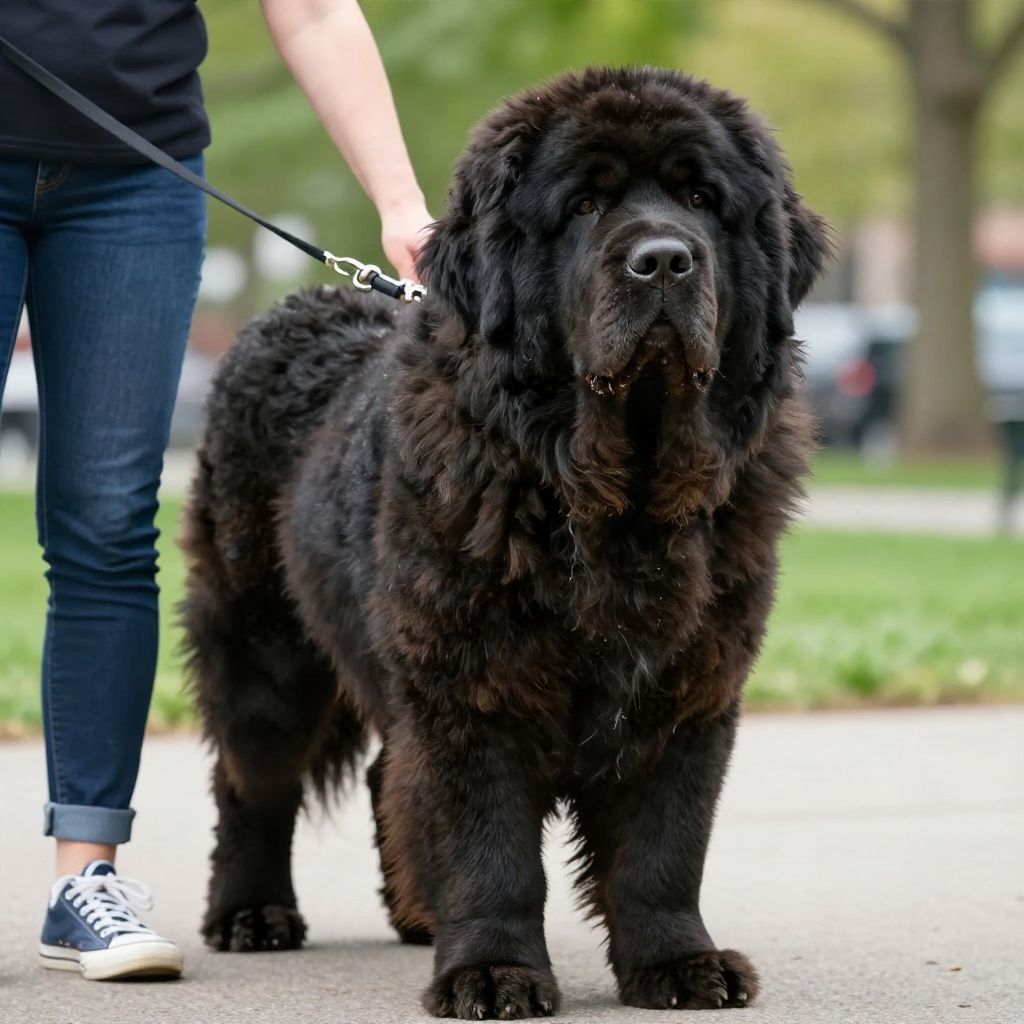
If you’re wondering what kind of dog Duke from The Secret Life of Pets is, the short answer is that he’s portrayed as a large mixed-breed dog with a shaggy, scruffy look. He is not presented as a clearly identified purebred, and his exact breed is best treated as fictionalized rather than definitive.
That means the most useful takeaway is less about a perfect breed label and more about what his size, coat, and personality suggest for real-life dog care. If you live with a big, energetic, mixed-breed dog, the right training, exercise, and health care matter far more than the movie’s exact breed guess.
What kind of dog is Duke from Secret Life of Pets?
Duke is generally described as a large mixed-breed dog, often interpreted as a Newfoundland-type or another shaggy giant-breed mix, but the film never confirms an exact breed. His appearance suggests a big, fluffy dog with a friendly but sometimes clumsy temperament, which is a fictional character trait rather than a breed guarantee.
Why Duke is hard to identify by breed alone
Animated characters are often designed to look “dog-like” without matching one real breed perfectly. Duke’s oversized body, thick coat, and broad face may remind viewers of several breeds, but those features can overlap across many mixes.
In real dogs, appearance alone is not enough to identify breed with certainty. If you are curious about your own dog’s ancestry, a veterinarian or canine DNA test may provide more useful information than visual guessing.
Features that influence the guess
- Size: Duke is shown as a large dog, which points toward giant or large-breed ancestry.
- Coat: His shaggy fur suggests a long- or medium-coated breed mix.
- Build: His heavy frame and big paws make people think of working breeds.
- Expression: His gentle, slightly goofy look fits the “family dog” image many viewers notice.
What Duke’s character can teach you about real dogs
Even though Duke is fictional, his behavior reflects common issues many large mixed-breed dogs can have: excitement, poor leash manners, sensitivity to change, and occasional clumsiness. Those are training and management topics, not breed destiny.
If your dog is similar in size or energy, focus on building calm habits early. Reward-based training, predictable routines, and safe exercise are usually more effective than trying to “correct” a dog through force.
Care tips for a large mixed-breed dog like Duke
Big dogs often need a little extra planning because their bodies place more strain on joints, furniture, and handling equipment. Individual needs still vary by age, health, and coat type, so use Duke as a general reference rather than a strict template.
1. Exercise with joint health in mind
Large dogs usually benefit from regular daily exercise, but the right amount depends on age and fitness. A young adult dog may need more activity than a senior dog or one with arthritis.
- Use walks, sniffing games, and controlled play.
- Avoid sudden overexertion in hot weather.
- Build stamina gradually if your dog is out of shape.
- Watch for limping, stiffness, or reluctance to move.
2. Train for manners early
A dog Duke’s size can be harder to manage if he jumps, pulls, or rushes toward people. Early training helps keep everyone safe and makes daily life easier.
- Teach loose-leash walking.
- Reward four paws on the floor.
- Practice a reliable recall in safe, enclosed areas.
- Use short, positive sessions instead of long drills.
3. Socialize in a calm, positive way
Socialization means helping your dog feel comfortable around people, dogs, sounds, and places. It should be gradual and positive, especially for a large dog who may accidentally overwhelm others if he is anxious or overexcited.
- Introduce new experiences at a pace your dog can handle.
- Pair new sights and sounds with treats or praise.
- Keep early dog-to-dog meetings brief and supervised.
- Stop before your dog becomes overwhelmed.
4. Groom based on coat type, not just size
Duke’s shaggy coat suggests regular grooming would matter in real life. The exact routine depends on whether your dog has a short, medium, or long coat, and whether the coat sheds heavily or mats easily.
- Brush often enough to prevent tangles and loose hair buildup.
- Check ears, paws, and undercoat for debris.
- Bathe only as needed with a dog-safe shampoo.
- Trim nails regularly to avoid discomfort.
Feeding and body condition for a Duke-like dog
Large dogs do best on a complete, balanced diet appropriate for their life stage. Avoid assuming that a “big dog” needs extra food by default; many dogs are overweight because portions are too large or treats add up quickly.
Instead of focusing on the movie character’s size, watch your dog’s body condition. You should generally be able to feel ribs without pressing hard, and your dog should have a visible waist when viewed from above.
Helpful feeding habits
- Measure meals rather than free-feeding.
- Use treats sparingly during training.
- Choose food matched to your dog’s age and activity level.
- Ask your veterinarian before changing diets for weight loss or sensitive digestion.
Common behavior mistakes with big dogs
Owners sometimes excuse jumping, pulling, or mouthy play because a large dog seems “just goofy.” That can become a real safety issue, especially with children, older adults, or visitors who are nervous around dogs.
Humane training works better than punishment. Punishment can increase fear or confusion and may make behavior worse, especially if the dog is already anxious or overstimulated.
Better alternatives to harsh correction
- Reward the behavior you want to see more often.
- Manage the environment so mistakes are less likely.
- Use baby gates, leashes, or crates when needed for safety.
- Work with a certified trainer if behavior is persistent or escalating.
When a Duke-like dog needs a veterinarian
Some problems are more urgent in large dogs because size can make mobility issues, bloat risk, and injury more serious. You should not wait if your dog shows signs of distress or sudden change.
Call a veterinarian promptly for:
- New or worsening limp
- Stiffness that does not improve
- Repeated vomiting or diarrhea
- Sudden appetite loss
- Itchy skin, ear odor, or persistent scratching
- Behavior changes such as hiding, irritability, or confusion
Seek urgent veterinary care right away for:
- Labored breathing
- Collapse or inability to stand
- Swollen, painful abdomen
- Repeated unproductive retching
- Seizures
- Severe injury or bleeding
How to choose gear for a large dog
If your dog is built like Duke, the right equipment can make a big difference in safety and comfort. A poorly fitted collar or harness can cause pulling problems or skin irritation, and weak gear can fail under sudden force.
- Choose a well-fitted harness for training walks if your dog pulls.
- Use a sturdy leash with a comfortable grip.
- Check collars for proper fit and wear.
- Make sure crates, gates, and beds are sized for your dog’s body.
What to remember about Duke’s breed type
Duke is best understood as a fictional large mixed-breed dog rather than a confirmed purebred. The movie gives him a memorable look, but real dogs should be judged as individuals, not by a cartoon-style label.
If your own dog resembles Duke, focus on the care that matters most: consistent training, safe exercise, proper nutrition, grooming, and regular veterinary checkups. Those basics will do far more for your dog’s well-being than trying to pin down an exact breed guess.
If you want to compare Duke with another famous movie dog, you may also enjoy reading about what kind of dog Lady is from Lady and the Tramp, or revisit the details in this Duke breed guide for a closer look at the character’s likely mix.