
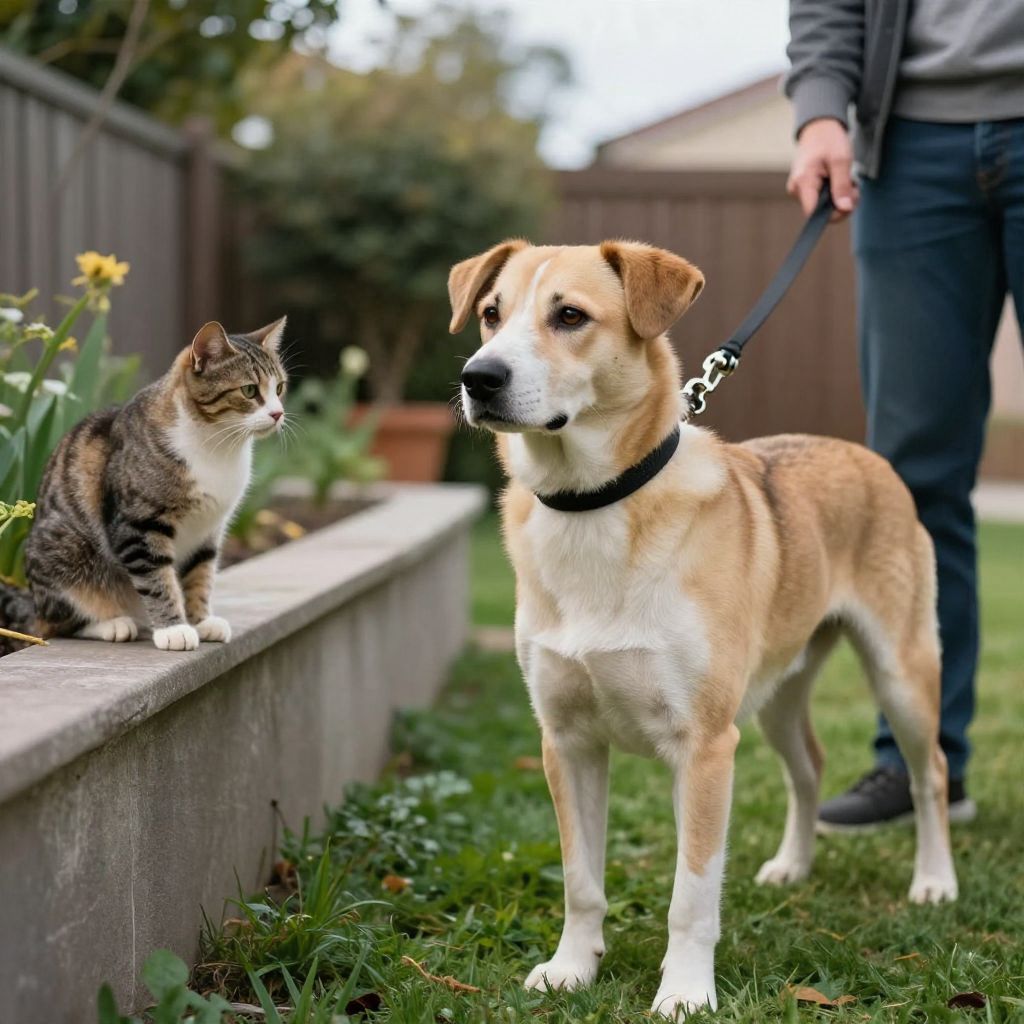
If you’ve ever wondered why do dogs hate cats, the short answer is that many dogs do not actually hate them. More often, they react to a cat’s movement, scent, body language, or past experiences. Some dogs are curious, some are fearful, and some are highly prey-driven.
The good news is that this behavior can often be managed and improved with safe introductions, training, and supervision. The right approach depends on your dog’s age, temperament, history, and how the cat behaves too.
Why do dogs hate cats?
Dogs usually do not “hate” cats in the human sense. They may chase, bark at, stare at, or avoid cats because of instinct, excitement, fear, poor socialization, or a bad past experience. Some dogs also react to fast movement or a cat’s defensive behavior, which can escalate the situation.
Common reasons dogs react badly to cats
1. Prey drive and movement
Many dogs are strongly triggered by quick, erratic movement. A running cat can switch on chase behavior, especially in dogs bred or selected for herding, hunting, or chasing tasks.
This does not mean every dog of a certain breed will react the same way. Individual temperament, training, and exposure matter a lot.
2. Fear or uncertainty
Some dogs seem aggressive when they are actually worried. A cat that hisses, swats, or holds a stiff posture may make a dog feel threatened, leading to barking, lunging, or avoidance.
3. Poor early socialization
Puppies that do not learn calm, positive experiences around cats may grow into adults that are unsure how to behave. Early, gentle exposure can help, but it should always be controlled and safe.
4. Territorial behavior
Dogs may react when a cat enters what they consider “their” space, such as a bed, couch, food area, or doorway. Guarding behavior can be stronger in dogs that are anxious or undertrained.
5. Frustration and overexcitement
Some dogs are not hostile; they are simply too excited to settle. They may bark, pull, or fixate on the cat because they want to interact but do not know how to do it calmly.
6. A cat’s own behavior
Cats that run, stare, arch, swat, or hide can all influence a dog’s response. In many homes, the problem is not one-sided. Both animals may be contributing to the tension.
Signs your dog is reacting to a cat
Look for body language that tells you your dog is aroused, stressed, or preparing to chase. Common signs include:
- Staring or “locking on” to the cat
- Stiff body posture
- Raised hackles
- Barking, whining, or growling
- Pulling hard toward the cat
- Chasing or pouncing
- Lip licking, yawning, or turning away when anxious
Any of these signs can escalate quickly if the dog is not managed.
What to do if your dog hates cats
1. Prevent unsafe contact first
Do not force the dog and cat to “work it out.” Use gates, crates, leashes, and separate rooms so neither animal can rush or corner the other.
Never allow unsupervised access until you are confident both animals are calm and safe together.
2. Set up gradual, controlled introductions
Start with distance. Let them see or smell each other briefly while your dog is calm, then reward relaxed behavior with praise or treats.
- Keep the dog on leash or behind a barrier.
- Allow short, calm visual exposure.
- Reward your dog for looking away, sitting, or staying loose.
- End the session before either animal becomes stressed.
Short, successful sessions are better than long ones that end in barking or chasing.
3. Teach useful cues
Basic training can make a big difference. Helpful cues include:
- Leave it to disengage from the cat
- Come for quick redirection
- Place or mat for settling
- Look at me for attention redirection
Use reward-based training. Punishment can increase fear and make the dog more reactive around the cat.
4. Manage the environment
Good management reduces opportunities for conflict. Try to create separate zones for eating, resting, and litter box access.
- Give the cat high escape routes and hiding spots
- Feed pets in separate areas
- Keep litter boxes where the dog cannot reach them
- Use baby gates or pet gates with cat-sized access if needed
5. Increase exercise and enrichment
A bored dog is often a more reactive dog. Daily walks, sniffing opportunities, puzzle toys, and training games can lower overall arousal and make it easier for your dog to ignore the cat.
Exercise will not “fix” prey drive, but it can improve self-control and reduce excess energy.
When the issue is more than behavior
If your dog suddenly starts reacting to a cat when this was not a problem before, consider a health or stress change. Pain, vision changes, hearing loss, cognitive decline in older dogs, or illness can affect behavior.
Call your veterinarian if the change is new, sudden, or paired with other signs such as limping, appetite loss, confusion, or unusual irritability.
Red flags that need urgent help
Seek urgent veterinary care or emergency help if your dog or cat has been injured, even if the wound looks small. Cat scratches and bites can become infected quickly.
- Deep puncture wounds
- Bleeding that does not stop
- Lameness, swelling, or severe pain
- Eye injury or squinting
- Difficulty breathing
- Collapse, extreme lethargy, or disorientation
If a fight has happened, separate the animals safely and contact a veterinarian for guidance.
Common mistakes to avoid
- Forcing close contact too soon
- Letting the dog “practice” chasing
- Using punishment, yelling, or shock devices
- Ignoring subtle stress signals
- Leaving food, toys, or litter boxes in high-conflict spots
- Assuming the dog will “grow out of it” without training
Every time your dog rehearses the wrong behavior, it can become more automatic.
Do some dogs get along with cats more easily?
Yes. Individual dogs vary a great deal. Puppies, calm adult dogs, and dogs with early positive cat exposure often adapt more easily than dogs with strong chase instincts or a history of conflict.
Breed tendencies can influence energy level or prey drive, but they do not determine behavior on their own. Your dog’s personality, environment, and training history matter just as much.
How to help a puppy learn to live with cats
If you have a puppy, the best time to build good habits is early. Keep interactions short, gentle, and supervised, and reward calm behavior around the cat.
- Prevent rough chasing games
- Teach impulse-control cues early
- Reward calm observation, not staring or lunging
- Give the cat plenty of safe escape routes
Young dogs need structure, not free access, while they are learning.
When to get professional help
If your dog repeatedly lunges, cannot disengage, or has already injured a cat, work with a qualified force-free trainer or a veterinary behaviorist. They can help you build a safe plan based on your dog’s triggers and your home setup.
Professional help is especially important if fear, anxiety, or aggression seems intense or is getting worse over time.
Conclusion
Dogs usually do not hate cats; they react to instinct, fear, excitement, or poor experiences. With management, training, and patience, many dogs can learn to live safely and peacefully with cats. Start by preventing unsafe contact, reward calm behavior, and get professional help if the situation feels risky.
If you want more context on the dog-versus-cat dynamic, you may also find why some people prefer dogs over cats helpful, along with the cat side of the comparison.