
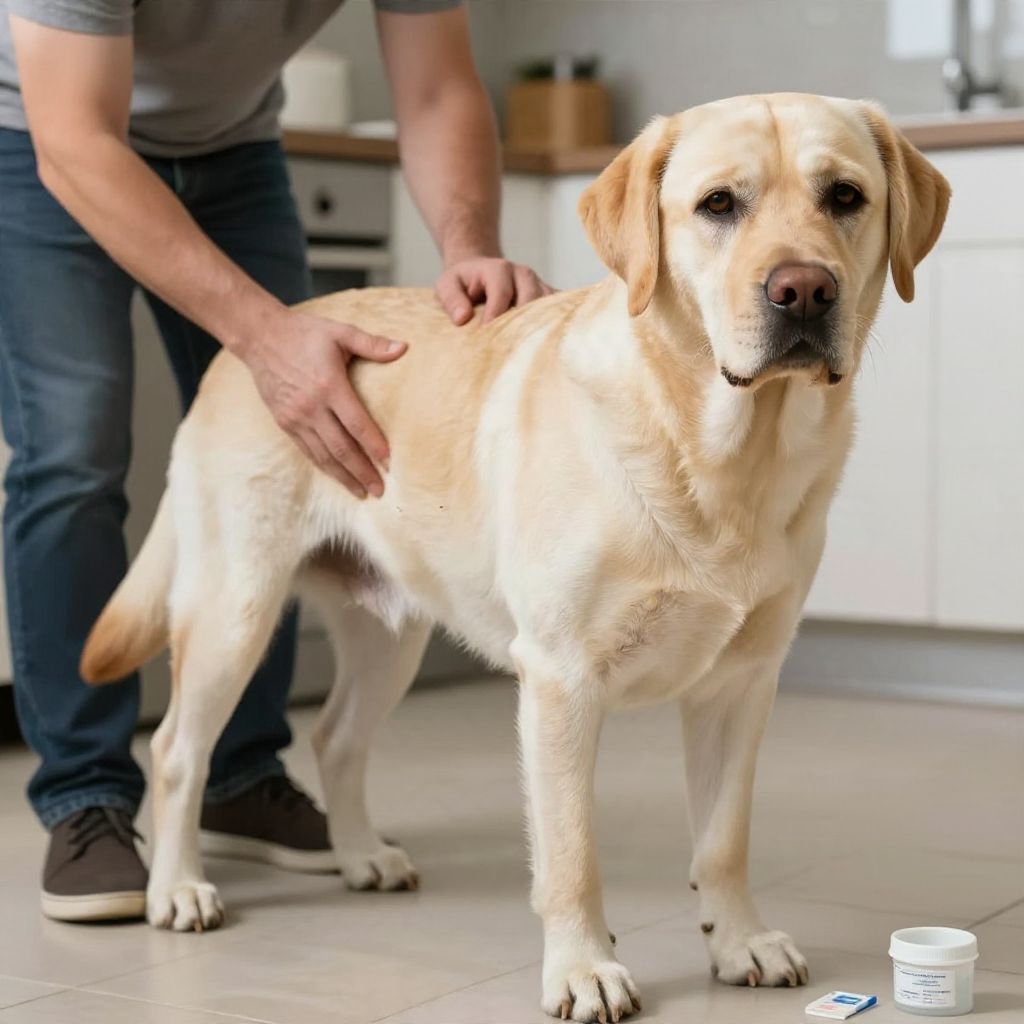
If you’re wondering, “How do I know if my dog has worms,” the answer is usually a mix of subtle signs and sometimes no signs at all. Some dogs act normal while carrying intestinal parasites, so a stool test from your veterinarian is often the most reliable way to know.
Watch for changes in appetite, weight, stool, energy, or a bloated belly, and take note of any scooting or vomiting. If your dog is a puppy, unwell, or has bloody diarrhea, contact a vet promptly.
How Do I Know If My Dog Has Worms?
Common clues include diarrhea, vomiting, a potbellied look, weight loss, poor coat quality, scooting, or visible worms or worm segments in stool or around the anus. But many dogs show no obvious symptoms, so a fecal exam is the best way to confirm whether worms are present.
Signs That May Point to Worms
Different parasites can cause different signs, and the symptoms can overlap with many other dog illnesses. That is why you should treat these as warning signs, not a diagnosis.
Digestive changes
- Soft stool or diarrhea
- Vomiting
- Reduced appetite or picky eating
- Visible mucus or blood in stool
- Frequent straining or discomfort when pooping
Body and coat changes
- Weight loss despite eating normally
- A dull, dry, or rough coat
- Low energy or seeming “off”
- A swollen or potbellied abdomen, especially in puppies
Behavioral or visible clues
- Scooting or licking the rear end
- Restlessness or abdominal discomfort
- Worms or rice-like segments in stool, bedding, or around the anus
Keep in mind that these signs can also happen with diet changes, stress, infections, allergies, or other gastrointestinal problems. Seeing a symptom does not tell you which parasite, if any, is involved.
What Worms Can Look Like in Dogs
Not all worms look the same, and some are easier to spot than others. Your veterinarian may ask what you saw because appearance can help narrow down the likely parasite.
Roundworms
These may look like long, spaghetti-like worms in vomit or stool. Puppies are commonly affected, but dogs of any age can get them.
Tapeworms
Tapeworm segments often look like small grains of rice or sesame seeds near the anus, in bedding, or in stool. Dogs may scoot or lick due to irritation.
Hookworms and whipworms
These are usually not visible to the naked eye. They may cause diarrhea, weakness, weight loss, or anemia, especially in young or small dogs.
Heartworms
Heartworms are not seen in stool. They affect the heart and lungs, and signs can include coughing, tiring easily, or exercise intolerance. This is a serious disease that requires veterinary testing and prevention.
When to Call the Vet Right Away
Some worm-related symptoms need prompt veterinary care, especially in puppies, senior dogs, or dogs with other health problems. Do not wait if your dog seems very sick.
- Repeated vomiting or inability to keep water down
- Bloody diarrhea or black, tarry stool
- A swollen belly with weakness or pain
- Pale gums, collapse, or severe lethargy
- Signs of dehydration, such as dry gums or sunken eyes
- Breathing trouble or coughing that worsens
- A puppy that is not eating, is vomiting, or seems weak
If your dog is vomiting and not eating, that can be caused by parasites, but it can also signal other urgent problems. If you need more context on that symptom pattern, see dog vomiting yellow bile and not eating what to do.
How Vets Check for Worms
The most common test is a fecal exam, where a stool sample is checked for parasite eggs or larvae. Depending on the worm suspected, your vet may also recommend a heartworm test, bloodwork, or repeat stool testing.
Bring a fresh stool sample if possible, and tell the clinic about any symptoms you noticed, recent travel, exposure to other dogs, hunting, scavenging, or whether your dog eats raw food or feces. Those details can help your vet choose the right test.
Why Some Dogs Get Worms More Easily
Any dog can get worms, but risk can be higher depending on age, lifestyle, and exposure. Puppies are especially vulnerable because their immune systems are still developing and some parasites can pass from the mother before or after birth.
- Puppies: Higher risk of roundworms and hookworms
- Outdoor or roaming dogs: More exposure to contaminated soil, feces, or prey animals
- Dogs in multi-pet homes, shelters, or boarding settings: More contact with infected animals or shared environments
- Dogs that hunt, scavenge, or eat feces: Increased exposure to parasites
- Dogs not on regular parasite prevention: Greater risk of heartworms and some intestinal worms
Breed alone does not determine whether a dog gets worms. Lifestyle and prevention habits matter much more than breed labels.
What You Can Do at Home Safely
Home care cannot replace diagnosis, but you can take a few sensible steps while you arrange veterinary advice. Keep things clean and avoid exposing other pets or people if a parasite is suspected.
- Collect a fresh stool sample if you can do so safely.
- Wash your hands after handling stool, bedding, or the rear end.
- Clean up feces promptly from the yard and walks.
- Keep your dog away from communal dog areas until you know what is going on.
- Follow your vet’s instructions exactly if treatment is prescribed.
Do not give over-the-counter dewormers, human medications, or home remedies unless your veterinarian specifically tells you to. The wrong product may not treat the parasite and could cause harm.
How Worms Spread
Parasites spread in different ways, which is why prevention matters even for dogs that seem healthy. Understanding the route of infection can help you reduce the risk of repeat exposure.
- Fecal contamination: Dogs pick up eggs or larvae from soil, grass, or contaminated surfaces.
- Ingesting infected prey or fleas: Some worms are spread when dogs eat infected animals or swallow fleas during grooming.
- Mother to puppy transmission: Certain worms can pass before birth or through nursing.
- Mosquito exposure: Heartworms are transmitted by mosquitoes, not by stool.
Preventing Worms in the Future
Prevention is usually easier, safer, and less stressful than treating an active infection. Your veterinarian can recommend a parasite-prevention plan based on your dog’s age, region, and lifestyle.
- Use parasite prevention consistently if your vet recommends it
- Have puppies on the deworming schedule your vet advises
- Pick up stool promptly in your yard and on walks
- Prevent flea infestations, since fleas can spread tapeworms
- Discourage scavenging and eating feces
- Schedule regular fecal checks, especially for puppies or high-risk dogs
If your dog has a history of skin irritation or you suspect fleas as part of the problem, it can help to review other signs of parasite exposure too. For more on that topic, see how to know if my dog has fleas.
Common Mistakes to Avoid
When you suspect worms, it is easy to guess wrong or delay care. These mistakes can make the problem harder to solve.
- Assuming a normal-looking dog cannot have worms
- Trying random dewormers without a diagnosis
- Ignoring repeated scooting, weight loss, or diarrhea
- Forgetting that heartworms do not show up in stool
- Not treating all pets in the household when the vet recommends it
- Skipping follow-up testing after treatment
What to Expect After Treatment
If your vet confirms worms, treatment usually depends on the parasite type and your dog’s overall health. Some dogs improve quickly, while others need follow-up stool tests or repeat doses to fully clear the infection.
It is also important to finish the full treatment plan and keep up with prevention afterward. Reinfection can happen if the environment or exposure risks are not addressed.
Bottom Line
If you are asking, “How do I know if my dog has worms,” the safest answer is to look for warning signs but confirm with a veterinarian. Stool changes, scooting, weight loss, vomiting, and visible worms can be clues, but a fecal test is the most reliable way to know and treat the right problem.
If you notice symptoms, especially in a puppy or a dog that seems weak, contact your vet soon. Prompt testing, proper treatment, and ongoing prevention are the best ways to protect your dog and your household.