
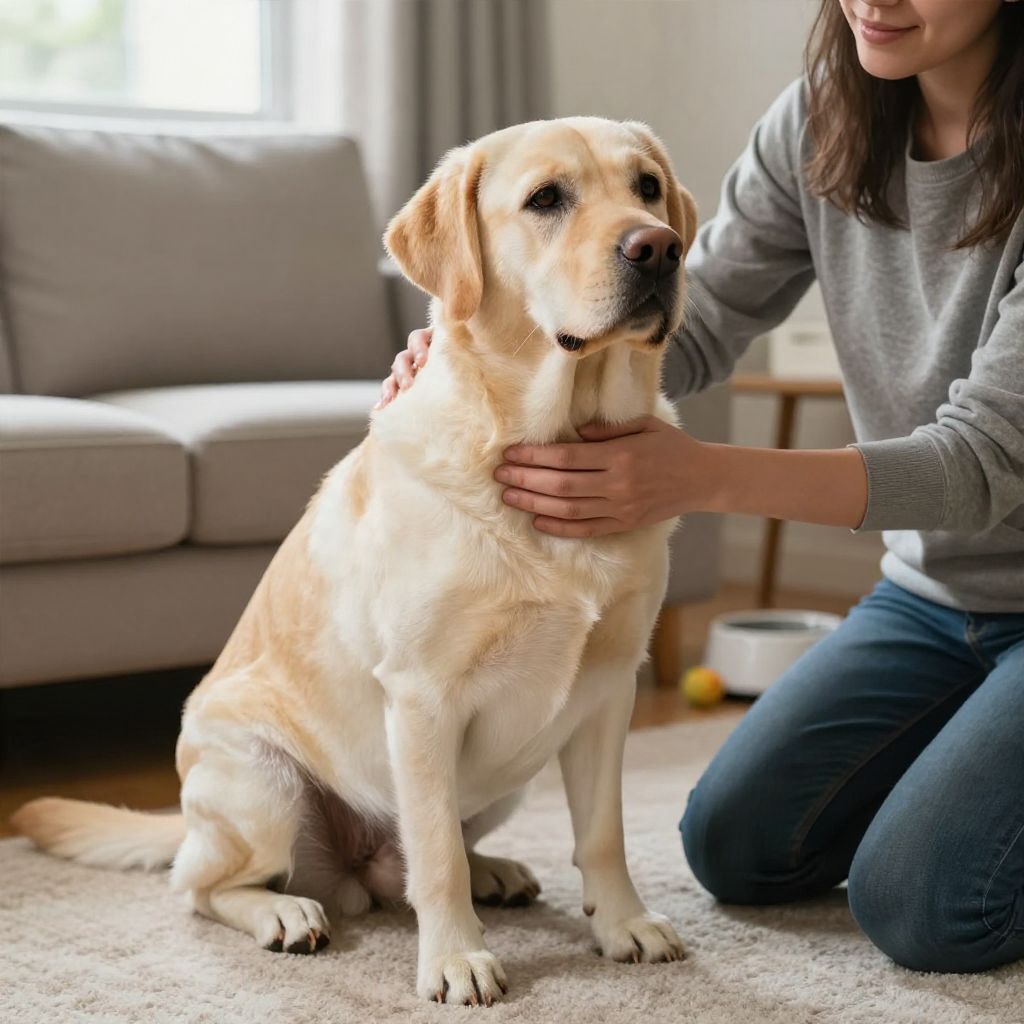
Do dogs like to be pet? Many do, but not every dog enjoys touch in the same way. Some dogs seek out petting, while others prefer brief contact, familiar people, or no petting at all.
The safest approach is to read the dog’s body language first. Petting should feel voluntary, calm, and respectful, especially with puppies, shy dogs, seniors, or dogs you do not know well.
Do Dogs Like To Be Pet?
Yes, many dogs like to be pet when the touch is gentle, expected, and on areas they enjoy. But a dog’s comfort depends on personality, past experiences, health, age, and the situation. Watch for relaxed body language and stop if the dog turns away, stiffens, or moves off.
How to Tell If a Dog Wants Petting
The best clue is whether the dog actively invites contact. A dog that leans in, nudges your hand, or stays relaxed usually welcomes attention more than a dog that freezes or avoids you.
Signs a dog may enjoy being pet
- Loose, wiggly body
- Soft eyes and relaxed mouth
- Leaning into your hand
- Coming back for more after you stop
- Tail wagging loosely at mid-height, not stiffly
Signs a dog may not want petting
- Turning the head away
- Licking lips, yawning, or sniffing the ground to disengage
- Stiff body or closed mouth
- Moving away, hiding, or ducking
- Growling, snapping, or showing teeth
If a dog shows stress signals, do not keep petting to “let them get used to it.” That can make discomfort worse and increase the chance of a bite.
Where Dogs Usually Like to Be Pet
Many dogs prefer touch on the chest, shoulders, or side of the neck rather than the top of the head. Some also enjoy slow scratches under the chin or on the chest, but preferences vary by dog.
Commonly preferred spots
- Chest
- Shoulders
- Side of the neck
- Under the chin, if the dog invites it
- Base of the ears, for some dogs
Areas to approach carefully
- Top of the head
- Face and muzzle
- Paws
- Tail
- Belly, unless the dog clearly asks for it
Some dogs love a belly rub, but an exposed belly does not always mean “please pet me.” It can also be a sign of appeasement, uncertainty, or an attempt to avoid conflict.
How to Pet a Dog Safely
Safe petting starts with permission. Let the dog choose whether to approach, and keep your movements slow and predictable.
- Stand or crouch sideways rather than looming over the dog.
- Offer your hand low and let the dog sniff if it wants to.
- Pet lightly for a few seconds on a neutral area such as the chest or shoulder.
- Pause and see whether the dog leans in or moves away.
- Continue only if the dog clearly stays relaxed and engaged.
For unfamiliar dogs, ask the owner first. Even friendly dogs may dislike being touched by strangers, especially around the face or head.
Why Some Dogs Do Not Like Being Pet
Dislike of petting is not “bad behavior.” It can reflect normal preference, lack of socialization, pain, anxiety, or a history of rough handling.
Common reasons
- They were not handled gently as puppies
- They are fearful or under-socialized
- They have pain, arthritis, or skin irritation
- They are startled by sudden touch
- They simply prefer less physical contact
Breed can influence general tendencies, but it never guarantees how an individual dog feels about touch. A typically affectionate breed may still dislike petting, while a more reserved dog may enjoy it with trusted people.
Age, Health, and Temperament Matter
What feels pleasant to one dog may feel uncomfortable to another. Puppies, seniors, and dogs with medical issues often need extra care around touch.
Puppies
Puppies benefit from gentle, positive handling, but they also need to learn consent and calmness. Keep sessions short and reward relaxed behavior.
Senior dogs
Older dogs may become more sensitive because of sore joints, vision or hearing changes, or general discomfort. If an older dog suddenly avoids petting, a veterinary exam is a good idea.
Dogs with pain or illness
A dog that starts flinching, growling, or pulling away from touch may be telling you something hurts. Ear infections, dental pain, skin problems, abdominal pain, and arthritis can all affect tolerance for petting.
Seek veterinary care promptly if touch sensitivity is new, severe, or paired with limping, swelling, crying, appetite changes, lethargy, or a sudden behavior change.
Common Mistakes People Make When Petting Dogs
Even well-meaning people can make petting stressful. Avoiding these mistakes helps dogs feel safer and more willing to interact.
- Reaching over the head too quickly
- Hugging or holding the dog still
- Continuing after the dog moves away
- Petting a dog that is eating, sleeping, or guarding a toy
- Ignoring stiff posture, lip licking, or whale eye
- Letting children pet without supervision
Children should be taught to ask first, use gentle hands, and stop when the dog walks away. Supervision matters even with family dogs.
What If Your Dog Used to Like Petting but Now Doesn’t?
A change in petting tolerance deserves attention. If your dog suddenly avoids touch, the cause may be medical, emotional, or environmental.
Possible causes to consider
- Pain or injury
- Stress from a new home, routine, or pet
- Negative experiences with rough handling
- Skin irritation, fleas, or ear problems
- Age-related stiffness or confusion
Do not force the issue. Instead, give the dog space and schedule a veterinary visit if the change is new or persistent. If medical causes are ruled out, a certified trainer or veterinary behaviorist can help you rebuild trust with positive, low-pressure interactions.
How to Build Positive Associations With Touch
If your dog is cautious, you can help them feel better about petting by pairing touch with good things and keeping sessions very short.
- Start when the dog is calm and relaxed.
- Use brief, gentle strokes in a preferred area.
- Stop before the dog becomes uncomfortable.
- Reward calm behavior with praise or a small treat if your dog enjoys food rewards.
- Repeat in short sessions over time.
The goal is not to “tolerate” petting through pressure. The goal is to help the dog feel safe enough to choose it.
When Petting Is Not the Right Choice
There are times when even a friendly dog should not be touched. Respecting those moments prevents stress and reduces risk.
- The dog is sleeping
- The dog is eating or chewing a high-value item
- The dog is injured or recovering from surgery
- The dog is hiding, cornered, or overwhelmed
- The dog is showing warning signs such as growling or snapping
If a dog is guarding space, food, or toys, do not reach in to pet or remove the item. Give the dog distance and contact a qualified trainer for humane behavior support if needed.
When to Call a Veterinarian or Behavior Professional
Most petting preferences are normal, but some situations need professional help. A vet should evaluate sudden touch sensitivity, pain-related behavior, or any dog that seems distressed by handling.
Consider a certified trainer or veterinary behaviorist if your dog:
- Growls or snaps when touched
- Cannot relax during routine handling
- Has a history of fear or trauma
- Needs help with grooming or vet visits
Urgent veterinary care is needed if your dog has a sudden severe pain response, trouble walking, swelling, bleeding, collapse, or any rapid behavior change along with touch sensitivity.
Conclusion
So, do dogs like to be pet? Many do, but only when the petting matches their comfort level. Let the dog choose, watch body language, and keep touch gentle and brief. If your dog’s tolerance changes, rule out pain or illness first.
For more guidance, you may also find Do dogs like being pet? and where dogs like to be pet helpful for learning safe, dog-friendly touch.