
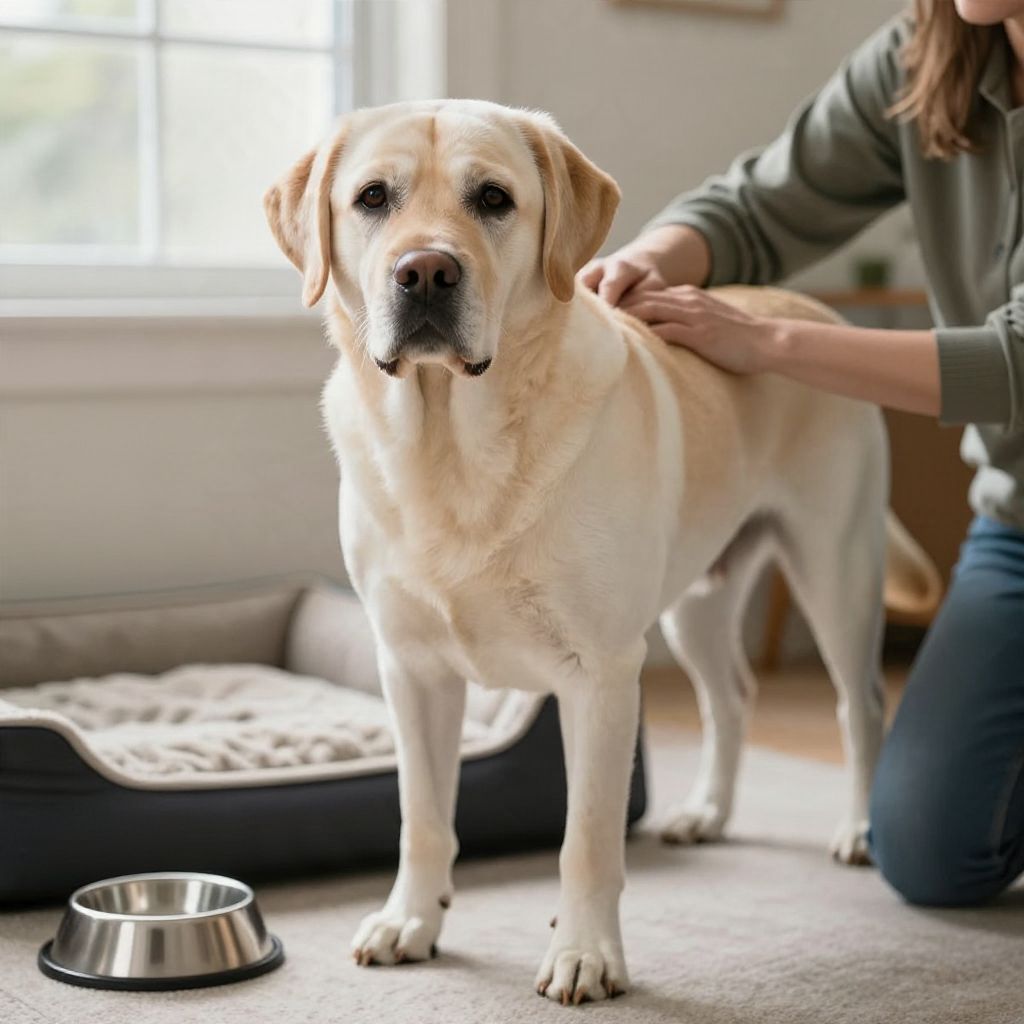
If you’re wondering how old is a senior dog, the answer depends on size, breed, and overall health. Many dogs are considered senior somewhere around 7 years old, but larger breeds often show senior changes earlier, while smaller dogs may stay youthful longer.
The best way to tell is by looking at your dog’s body condition, energy, mobility, and veterinary findings rather than age alone. Senior care is about early support, not a label, and it can help your dog stay comfortable and active for years.
How Old Is A Senior Dog?
Most dogs are considered senior around 7 years old, but that is only a general guideline. Small dogs may not show senior changes until 8 to 10 years, while giant breeds can be seniors as early as 5 to 6 years. Your veterinarian can help judge age based on health, size, and lifestyle.
Why “Senior” Depends On More Than Age
Dogs age at different rates. A dog’s size, genetics, activity level, and medical history all affect when senior care should begin.
- Small breeds often age more slowly and may remain active longer.
- Large and giant breeds may develop arthritis, heart issues, or mobility changes earlier.
- Working, athletic, or very active dogs may still seem young but can hide discomfort.
- Dogs with chronic illness may need senior-style care sooner, regardless of age.
Because of these differences, “senior” is best treated as a care stage, not a strict birthday.
Common Signs Your Dog May Be Entering Senior Years
Age alone does not tell the full story. Look for gradual changes in behavior, movement, and daily habits.
Physical changes
- Slower walking, stiffness, or trouble rising
- Less interest in long play sessions
- Weight gain or weight loss
- Cloudy eyes or hearing changes
- More frequent accidents in the house
- Coat changes, such as graying or thinning
Behavior changes
- Sleeping more than usual
- Being less tolerant of rough handling
- Confusion, restlessness, or pacing
- Sticking closer to you or becoming more withdrawn
- Changes in appetite or thirst
Some changes are normal with aging, but sudden or severe changes are not. A veterinary exam is the safest way to tell healthy aging apart from illness.
What Senior Dogs Need From You
Senior dogs often do best with a little more support and a little less strain. Small adjustments can make a big difference in comfort and quality of life.
1. Schedule regular veterinary checkups
Older dogs benefit from more frequent wellness visits, often at least twice a year if your veterinarian recommends it. These visits can catch problems early, including dental disease, arthritis, kidney disease, diabetes, and heart concerns.
2. Watch weight closely
Extra weight can make arthritis and breathing problems worse, while unplanned weight loss can signal illness. Ask your veterinarian whether your dog’s current diet still fits their age, activity level, and body condition.
3. Adjust exercise, not eliminate it
Most senior dogs still need daily movement. Gentle, regular walks and low-impact play can help maintain muscle, joint flexibility, and mental health.
- Choose shorter, more frequent walks if your dog tires easily.
- Avoid sudden bursts of intense exercise if your dog is stiff.
- Let your dog set the pace on hot days or after rest periods.
4. Make the home easier to navigate
Older dogs may struggle with stairs, slippery floors, or jumping onto furniture. Simple changes can reduce pain and prevent injuries.
- Use rugs or runners on slick floors
- Provide a supportive bed
- Use ramps or steps if needed
- Keep food, water, and resting spots easy to reach
5. Support dental health
Dental disease is common in older dogs and can affect eating, comfort, and overall health. Ask your veterinarian about home dental care and whether a professional cleaning is appropriate.
6. Keep enrichment gentle but regular
Senior dogs still need mental stimulation. Puzzle toys, scent games, short training refreshers, and calm social time can help prevent boredom without overtaxing them.
Nutrition Tips For An Aging Dog
There is no single “senior diet” that fits every dog. The right food depends on body condition, medical issues, and activity level.
- Ask your veterinarian if your dog needs fewer calories, more fiber, or a different protein and fat balance.
- Do not switch foods abruptly unless your veterinarian advises it.
- Use treats carefully, especially if your dog is overweight or has diabetes or pancreatitis concerns.
- Fresh water should always be available.
If your dog becomes picky, eats more slowly, or drops food, do not assume it is “just old age.” Dental pain, nausea, and other medical problems can look similar.
When Senior Behavior Is Normal And When It Is Not
Older dogs may sleep more, move more slowly, and prefer routine. That can be normal aging. But some changes need prompt attention because they may point to pain or disease.
Call your veterinarian soon if you notice:
- New limping or stiffness
- Repeated vomiting or diarrhea
- Increased thirst or urination
- Bad breath, drooling, or trouble chewing
- Persistent coughing
- Confusion, staring, or getting “stuck” in corners
- Unexplained weight loss or gain
Seek urgent veterinary care now if your dog has:
- Difficulty breathing
- A swollen or painful abdomen
- Collapse, seizures, or sudden weakness
- Inability to stand or severe pain
- Blue, pale, or gray gums
- Repeated retching with no vomit, especially in large breeds
- Sudden blindness or sudden severe confusion
Do not wait if your senior dog seems acutely unwell. Older dogs can decline quickly, and early treatment often matters.
Helpful Care Mistakes To Avoid
Many owners try to “baby” an older dog in ways that can accidentally make life harder. A few common mistakes are easy to avoid.
- Stopping exercise completely instead of adapting it
- Ignoring pain signs like stiffness, licking joints, or reluctance to jump
- Assuming confusion is normal aging without a veterinary check
- Overfeeding treats because the dog seems less active
- Using punishment for accidents, barking, or slower responses
If your older dog has house-soiling, anxiety, or sleep changes, look for medical causes first. Humane management and reward-based training are safer and more effective than punishment.
How To Tell If Your Dog Needs A Senior Care Plan
You do not need to wait for obvious decline before adjusting care. A senior care plan is smart when your dog reaches the age range that fits their size, or sooner if health issues appear.
Consider discussing a senior plan with your veterinarian if your dog:
- Is around 7 years old or older
- Is a large or giant breed and showing age-related changes
- Has arthritis, dental disease, heart concerns, or another chronic condition
- Has started slowing down, gaining weight, or acting differently
A good senior plan may include a physical exam, bloodwork, urine testing, a weight review, and a discussion of pain management, diet, and home adjustments.
Simple Ways To Keep A Senior Dog Comfortable
Comfort care does not need to be complicated. Small daily changes often help the most.
- Keep a predictable routine for meals, walks, and rest.
- Use non-slip surfaces where your dog walks most often.
- Check nails, paws, ears, and teeth regularly.
- Offer gentle enrichment instead of high-impact games.
- Track appetite, water intake, bathroom habits, and mobility changes.
If you notice a pattern of decline, write it down before the veterinary visit. Specific details help your veterinarian assess whether the change is normal aging or a medical issue.
Conclusion
So, how old is a senior dog? In many cases, around 7 years old, but the real answer depends on size, breed, and health. Watch for changes in mobility, appetite, behavior, and comfort, then adjust care early and work with your veterinarian to keep your dog feeling their best.
If you want to compare age ranges more closely, you may also find when a dog is considered a senior and what age a dog is considered a senior helpful for extra context.