
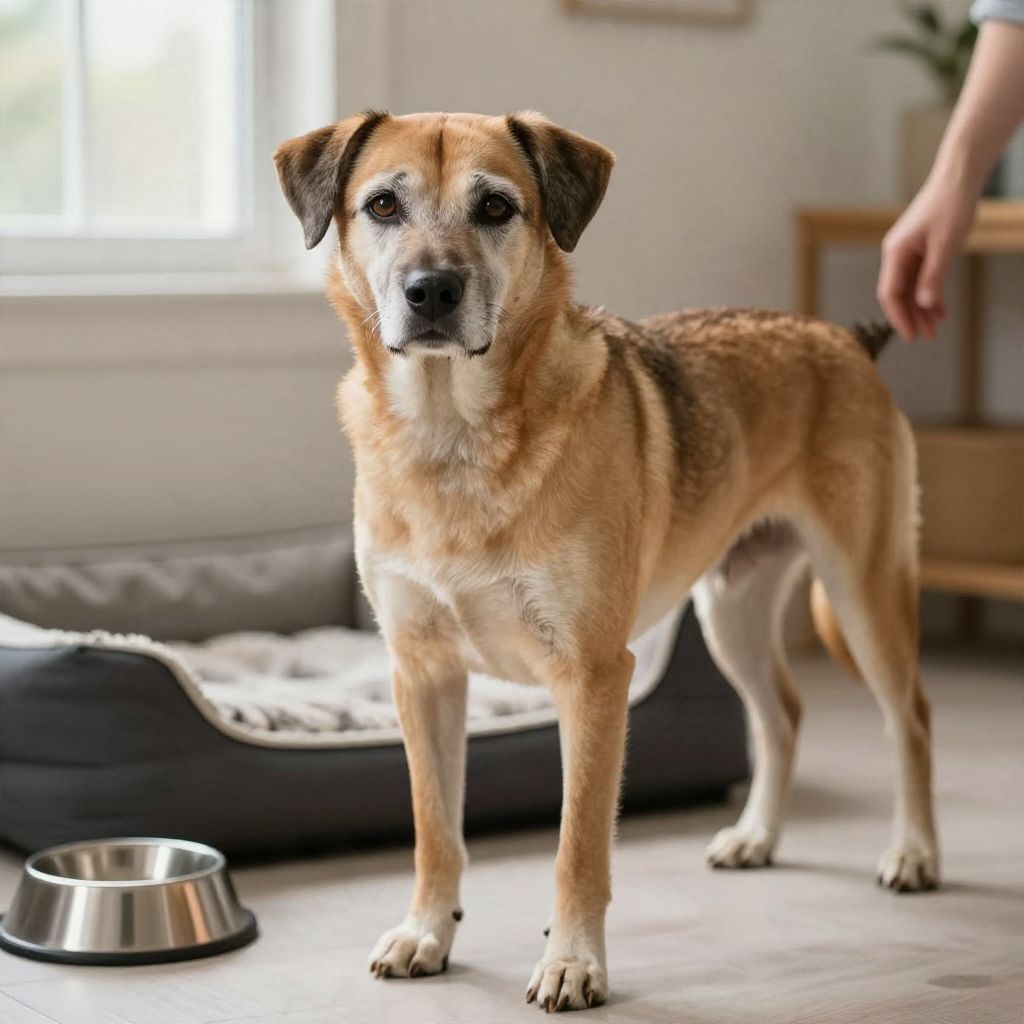
What age is a dog considered a senior? It depends on size, breed, and overall health, but many dogs begin entering their senior years around 7 to 10 years old. Smaller dogs often age more slowly, while larger and giant breeds may show senior changes earlier.
Knowing when your dog is a senior helps you adjust food, exercise, grooming, and veterinary care. The goal is not to label your dog as “old” too soon, but to catch age-related changes early and keep them comfortable, active, and healthy.
What age is a dog considered a senior?
Most dogs are considered senior somewhere between 7 and 10 years old, but the exact age varies by size and breed. Small dogs often become seniors later, while large and giant breeds may reach senior status earlier. Your veterinarian can help you judge your dog’s life stage more accurately.
Why the senior age range is different for every dog
There is no single age that fits every dog because aging is influenced by body size, genetics, health, and lifestyle. A lean, well-cared-for dog may stay active and youthful-looking longer than a dog with chronic illness or extra weight.
General patterns often look like this:
- Small dogs: often around 8 to 10 years old
- Medium dogs: often around 7 to 9 years old
- Large dogs: often around 6 to 8 years old
- Giant breeds: may be considered senior even earlier
These are broad guidelines, not rules. Some dogs show senior changes earlier, and others stay vigorous well beyond the usual range.
Signs your dog may be entering the senior stage
Age alone does not tell the whole story. Many dogs show subtle changes before they are officially “senior,” and those changes are worth paying attention to.
Common age-related changes
- Slower movement or less enthusiasm for long walks
- Stiffness after resting
- More sleeping or lower stamina
- Weight gain or weight loss
- Cloudy eyes or changes in vision
- Hearing loss or slower response to cues
- Changes in coat texture or grooming needs
- More accidents in the house
- New anxiety, confusion, or altered sleep patterns
Some of these changes can be normal aging, but they can also signal pain, dental disease, thyroid problems, arthritis, kidney disease, or other medical issues. A veterinary checkup is the best way to sort out what is normal.
How to care for a senior dog
Senior dogs usually do best with small, practical adjustments rather than major lifestyle changes. The aim is to support comfort, mobility, and early detection of health problems.
1. Schedule regular veterinary visits
Older dogs benefit from more frequent wellness exams because health issues can develop gradually. Your vet may recommend bloodwork, urine testing, dental checks, and weight monitoring to catch changes early.
Ask your veterinarian what schedule makes sense for your dog’s age and medical history. Some senior dogs need checkups every six months rather than once a year.
2. Watch weight closely
Extra weight can make arthritis, breathing problems, and heart strain worse. On the other hand, unexplained weight loss can be a warning sign of illness.
- Measure food instead of estimating by eye
- Use treats sparingly
- Choose low-impact exercise to support muscle tone
- Ask your vet if your dog’s body condition is where it should be
3. Adjust exercise, not eliminate it
Most senior dogs still need daily movement, but they may do better with shorter, gentler sessions. Regular activity helps maintain joints, muscles, digestion, and mental health.
Good options often include:
- Several short walks instead of one long outing
- Easy sniffing sessions
- Gentle play that does not involve jumping or sudden stops
- Low-impact enrichment, such as puzzle toys or scent games
If your dog seems sore, reluctant to move, or tired much sooner than usual, talk to your vet. Pain is not something to “push through.”
4. Make the home easier to navigate
Senior dogs may struggle with stairs, slippery floors, or jumping onto furniture. Simple changes can reduce strain and prevent injuries.
- Use rugs or runners on slick floors
- Provide a supportive bed in a quiet area
- Add ramps or steps if your dog climbs onto furniture or into a car
- Keep food, water, and resting spots easy to reach
5. Keep grooming and dental care consistent
Older dogs may need more help staying clean, especially if mobility declines. Regular brushing helps you notice lumps, skin changes, parasites, or sore spots sooner.
Dental care matters too. Bad breath, drooling, difficulty chewing, or pawing at the mouth can suggest dental disease, which is common in older dogs and should be checked by a veterinarian.
Nutrition for a senior dog
Senior dogs do not automatically need a “senior” label on the bag, but many benefit from a diet that matches their changing needs. The best food depends on your dog’s weight, activity level, medical conditions, and appetite.
Some senior dogs need fewer calories because they move less, while others need calorie-dense food if they are losing weight or have trouble eating enough. Your veterinarian can help you choose the right approach.
What to look for in senior feeding
- Appropriate calorie intake for your dog’s body condition
- Good-quality protein to help maintain muscle
- Fiber if digestion or weight control is a concern
- Diet changes guided by your vet if your dog has kidney, heart, or joint issues
Avoid making big diet changes suddenly. Transition gradually unless your veterinarian tells you otherwise.
Behavior changes in older dogs
Senior dogs may become less tolerant of noise, handling, or busy environments. Some become more clingy, while others seem more withdrawn. These changes can be related to discomfort, reduced hearing or vision, or cognitive decline.
When behavior changes need attention
Contact your veterinarian if you notice:
- Confusion or getting “stuck” in corners
- New house-soiling
- Restlessness at night
- Sudden fearfulness or agitation
- Reduced response to familiar cues
These signs do not always mean dementia, and they should not be dismissed as “just old age.” Many medical problems can look like behavior changes, and some are treatable.
Common mistakes people make with senior dogs
It is easy to miss early aging signs or assume your dog is simply slowing down. A few common mistakes can make senior life harder than it needs to be.
- Waiting too long for a veterinary exam
- Assuming stiffness is normal and untreatable
- Reducing exercise too much
- Overfeeding treats because the dog “deserves it”
- Ignoring dental pain or bad breath
- Forcing rough play or long hikes that are no longer comfortable
Senior care works best when you make small adjustments early instead of waiting for a major decline.
When to call the vet right away
Some changes in an older dog need prompt veterinary attention, especially if they happen suddenly or are severe. Do not wait to see if these signs improve on their own.
- Difficulty breathing
- Collapse or fainting
- Seizures
- Repeated vomiting or diarrhea
- Not eating for more than a day, especially with lethargy
- Sudden inability to stand or walk
- Bloated abdomen or unproductive retching
- Severe pain, crying, or obvious distress
- Sudden blindness, disorientation, or marked confusion
If your dog has a chronic condition and suddenly worsens, contact your veterinarian promptly. Older dogs can decline quickly, so early care matters.
How to tell if your dog is aging normally
Normal aging usually happens gradually. Your dog may slow down a bit, need more rest, or require more support with grooming and mobility, but still enjoy food, walks, affection, and daily routines.
Concerning aging is different. Rapid changes, pain, appetite loss, accidents, coughing, limping, or confusion should be evaluated rather than written off as age alone.
Practical checklist for senior dog care
- Book regular veterinary exams and ask about senior screening.
- Track weight, appetite, water intake, and energy level.
- Keep exercise gentle but consistent.
- Make your home safer with non-slip surfaces and ramps if needed.
- Brush teeth and coat regularly.
- Watch for pain, confusion, or changes in bathroom habits.
- Adjust food and routines based on your dog’s individual needs.
Bottom line
What age is a dog considered a senior? Usually around 7 to 10 years old, but the exact age depends on size, breed, and health. The best approach is to watch your dog’s body, behavior, and comfort level, then work with your veterinarian to tailor care as your dog gets older.
If you want to compare age ranges in more detail, you may also find when a dog is considered a senior and at what age a dog is considered a senior helpful for further reading.