
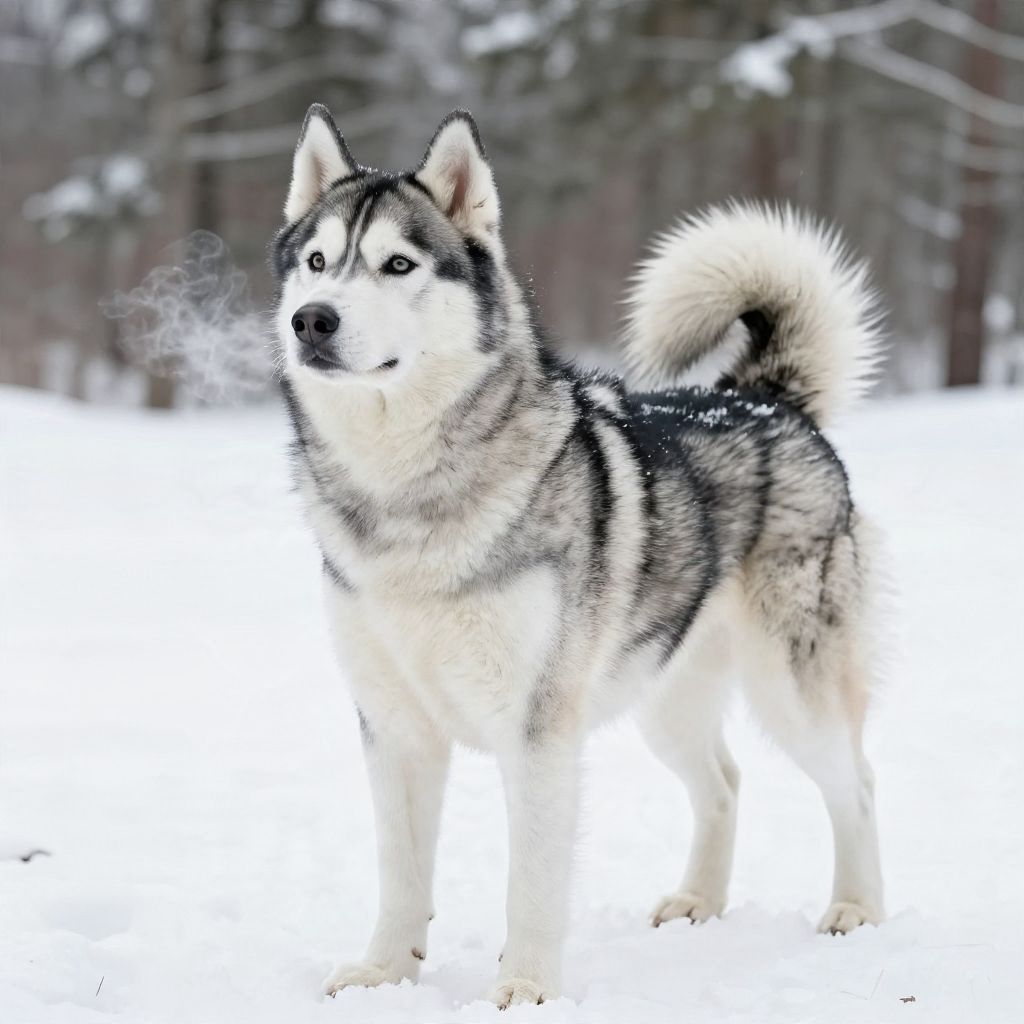
Do Huskies like the cold? Usually, yes—many Huskies are more comfortable in chilly weather than in heat because of their thick coats and cold-weather heritage. But that does not mean every Husky loves freezing temperatures, or that all cold conditions are safe.
Your dog’s age, health, coat condition, activity level, and the weather itself all matter. Even a cold-tolerant breed can get too cold, especially in wind, wet snow, or extreme temperatures.
Do Huskies Like The Cold?
Most Huskies tolerate cold weather well and may even seem energized by it, but they are not immune to cold-related problems. A healthy, acclimated Husky may enjoy winter walks and playtime, while a puppy, senior, thin-coated, sick, or wet Husky can become uncomfortable or unsafe much faster.
Why Huskies Often Handle Cold Better Than Many Dogs
Huskies are commonly considered cold-weather dogs because they tend to have a dense double coat that helps trap air and provide insulation. That coat can make chilly weather feel more comfortable than hot weather, but it does not make them “weatherproof.”
Individual variation matters. Some Huskies have more coat density than others, some are more active and heat up quickly during exercise, and some simply prefer being indoors unless the weather is mild.
What helps them stay comfortable
- A thick undercoat that insulates against cold air
- Regular activity that helps generate body heat
- Gradual acclimation to winter temperatures
- Dry coat and paws, which reduce heat loss
When Cold Weather Stops Being Comfortable
Cold tolerance is not the same as cold safety. A Husky may enjoy brisk weather yet still be at risk if temperatures drop too low, wind picks up, or the coat becomes wet. Wet fur, ice, and strong wind can make a dog lose body heat much faster.
Watch for signs your dog is getting too cold, including:
- Shivering or trembling
- Lifting paws or refusing to keep walking
- Hunched posture or tucked tail
- Seeking shelter or trying to go home
- Whining, anxiety, or seeming unusually quiet
Emergency warning signs include weakness, confusion, lethargy, pale or blue gums, collapse, or unresponsiveness. These can signal severe hypothermia and need urgent veterinary care.
Do All Huskies Like Snow?
Not necessarily. Many enjoy snow because it is novel and cool, but enjoyment is individual. Some Huskies love rolling, digging, and running in snow, while others only tolerate it for short periods.
Age and experience matter too. A puppy may be curious but less able to regulate body temperature. An older dog or one with arthritis may dislike icy footing even if the air temperature feels fine.
Why a Husky may avoid snow
- Cold paws or sensitive paw pads
- Ice balls forming between toes or in the coat
- Pain from arthritis or injury
- Fear of slippery surfaces
- Simply preferring indoor warmth
How to Tell If Your Husky Is Too Cold
The best clue is your dog’s behavior. A comfortable Husky usually moves normally, stays engaged, and recovers quickly after outdoor play. A cold Husky may become stiff, reluctant, or eager to return inside.
Use this quick check after winter outings:
- Look at the ears, paws, and tail for excessive coldness or ice buildup.
- Check whether your dog is shivering or moving more slowly than usual.
- Watch for limping, licking paws, or pausing often on the walk.
- Bring your dog inside if discomfort continues, even if the outing was short.
Cold-Weather Safety Tips for Huskies
Even if your Husky likes the cold, safe winter management matters. The goal is to let your dog enjoy the weather without risking frostbite, injury, or overexertion.
- Limit time outside in severe weather. Wind chill and wet conditions can make temperatures feel much colder.
- Keep your dog dry. Dry fur insulates better than damp fur.
- Use a leash or fenced area. Snow can hide hazards and reduce visibility.
- Check paws after walks. Look for ice, cracks, redness, or soreness.
- Provide shelter and a warm indoor space. Outdoor time should always have an easy way back inside.
- Watch for antifreeze, ice melt, and other winter hazards. These can be dangerous if licked from paws or fur.
Should Huskies wear coats or boots?
Some do, some do not. A healthy Husky with a full coat may not need extra clothing for short outings, but boots can help protect paws from ice, salt, and rough surfaces. A coat or sweater may help if your dog is thin, clipped, elderly, recovering from illness, or unusually sensitive to cold.
How Age and Health Change Cold Tolerance
Breed tendencies are only part of the story. Your Husky’s age and health can make a big difference in how well they handle winter.
Puppies
Puppies lose body heat more easily and should not stay outside for long in cold weather. Keep outings short, supervised, and focused on potty breaks and gentle play.
Adult dogs
Healthy adults often handle cold best, especially if they are active and acclimated. Even so, long exposure, wet fur, and extreme wind can still be risky.
Senior dogs
Older Huskies may have less muscle mass, thinner coats, or arthritis, which can reduce cold tolerance. They may need shorter walks, more comfortable footing, and extra monitoring.
Dogs with medical conditions
Dogs with heart disease, endocrine disorders, mobility issues, poor body condition, or recent surgery may need more protection from cold. If your dog has a health condition, ask your veterinarian how much winter exposure is appropriate.
Exercise and Enrichment in Cold Weather
Many Huskies enjoy winter exercise, but cold weather can change how you plan activity. Shorter, more frequent outings often work better than one very long session, especially in harsh weather.
- Choose safe, visible routes with good footing.
- Use recall and leash skills, since snow can hide distractions and hazards.
- Mix in indoor enrichment on very cold days, such as puzzle feeders, scent games, or training practice.
- Stop if your dog begins shivering, slowing down, or lifting paws repeatedly.
Because Huskies are energetic, winter boredom can also become a behavior issue. If outdoor time is limited, indoor mental work can help prevent frustration without overexposing your dog to the cold.
Grooming and Coat Care in Winter
A healthy coat helps a Husky stay comfortable, so grooming matters. Regular brushing removes loose undercoat and prevents matting, which can trap moisture and reduce insulation.
Do not shave a Husky for winter comfort. The coat helps regulate temperature, and removing it can interfere with insulation and skin protection. If shedding is heavy, brush more often rather than clipping the coat short.
Winter grooming checklist
- Brush regularly to remove loose hair
- Check for snow clumps or ice between toes
- Dry the coat after wet walks
- Inspect skin for dryness, redness, or irritation
- Trim paw hair carefully if it traps ice, if your groomer or vet says it is appropriate
Common Mistakes to Avoid
Because Huskies are known for cold tolerance, owners sometimes assume they can handle more than they really can. That can lead to avoidable problems.
- Leaving a dog outside too long because “it’s a Husky”
- Ignoring wet fur or icy paws
- Assuming all Huskies have the same tolerance
- Skipping winter checks for senior dogs or puppies
- Forcing long exercise sessions in severe weather
Another common mistake is overlooking indoor comfort. A dog that enjoys cold walks may still want a warm, dry resting place afterward.
When to Call a Veterinarian
Contact your veterinarian if your Husky seems unusually sensitive to cold, has repeated shivering, seems painful on walks, or develops skin, paw, or mobility issues in winter. Cold intolerance can sometimes reflect an underlying medical problem rather than simple preference.
Seek urgent veterinary care if your dog has collapse, extreme lethargy, confusion, pale or blue gums, trouble breathing, or cannot warm up normally after coming inside. These are not situations to monitor at home.
The Bottom Line
So, do Huskies like the cold? Many do, but “liking” cold is not the same as being safe in it. Watch your individual dog, adjust for weather and health, and keep winter outings short and sensible when conditions are harsh. If you want more winter safety guidance, you may also find what temperature is too cold for dogs? helpful, along with why are Huskies so vocal? for more breed-specific insight.