
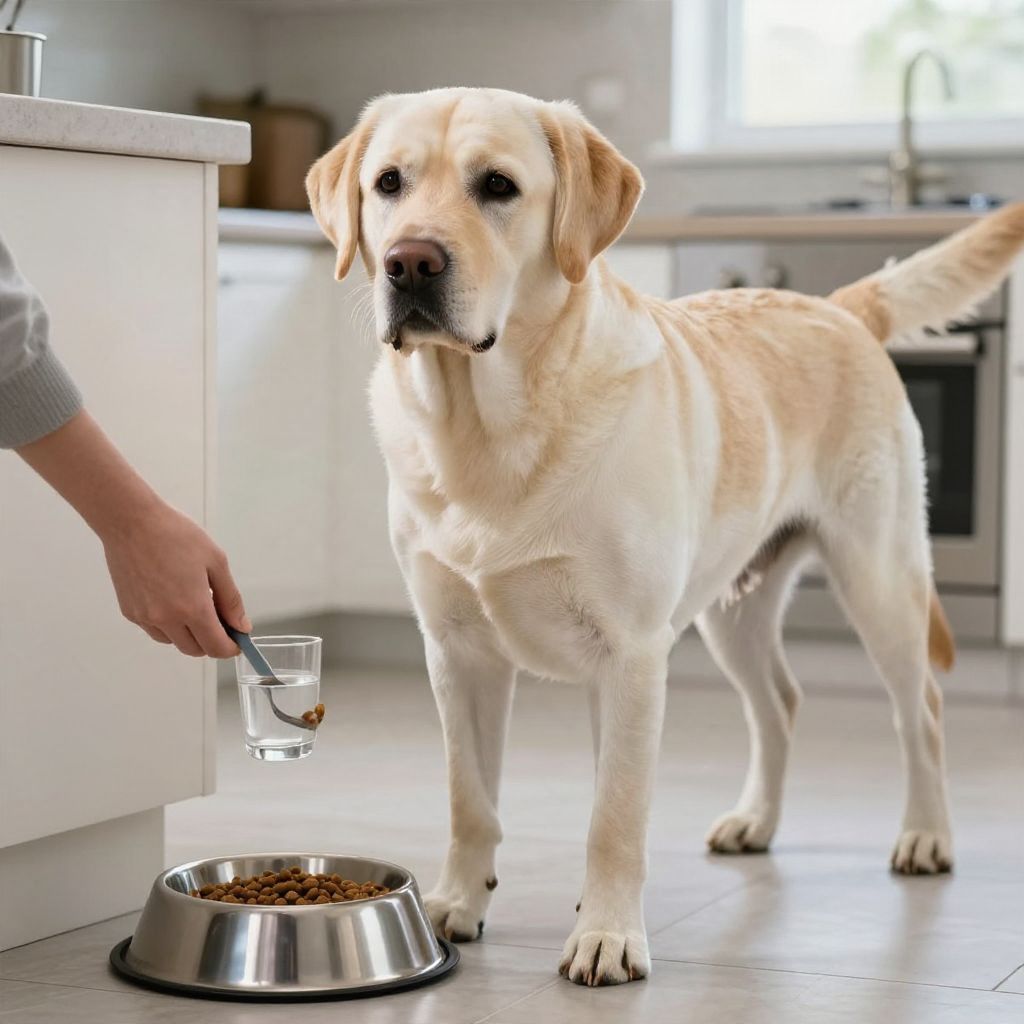
Why is my dog not eating but acting normal? A brief appetite dip can happen for harmless reasons, but it can also be the first sign of illness. The key is to watch how long it lasts, whether your dog is drinking, and whether any other symptoms appear.
Most healthy dogs can skip a meal occasionally, especially after stress, heat, travel, or a change in routine. If the loss of appetite lasts more than a day, keeps happening, or comes with vomiting, diarrhea, pain, or lethargy, contact your veterinarian.
Why is my dog not eating but acting normal?
If your dog is otherwise bright, drinking, and behaving normally, the cause is often mild: stress, a recent diet change, picky eating, minor stomach upset, dental discomfort, or eating treats that spoiled their appetite. Still, ongoing appetite loss can signal a medical problem, so monitor closely and call your vet if it does not resolve soon.
Common reasons a dog skips food but seems fine
A dog can look normal and still not want food for several reasons. Some are temporary and low-risk, while others need veterinary attention if they continue.
1. Stress or routine changes
Dogs may eat less after boarding, moving, visitors, fireworks, a new pet, or changes in your work schedule. Even confident dogs can react this way, and the effect may be short-lived.
2. Picky eating or too many extras
If your dog gets frequent treats, table scraps, or food toppers, they may simply hold out for something tastier. This is common in dogs of many ages, though individual habits vary.
3. Food changes or food aversion
A sudden switch in kibble, wet food, or feeding location can reduce interest. Some dogs also avoid food after a mild stomach upset if they now associate that meal with feeling unwell.
4. Dental pain or mouth discomfort
Dogs with sore gums, broken teeth, oral infections, or something stuck in the mouth may still act fairly normal but eat reluctantly. You might notice chewing on one side, dropping food, or preferring soft food.
5. Mild nausea or digestive upset
Early stomach upset does not always cause vomiting right away. A dog may seem normal but skip breakfast, lick lips, or show less enthusiasm for food.
6. Heat, exercise, or temporary fatigue
After heavy exercise or hot weather, some dogs eat less for a short time. Make sure fresh water is available and watch for signs of overheating.
7. Age-related changes
Puppies, adults, and senior dogs can all have different eating patterns. Older dogs may have reduced appetite from slower metabolism, dental disease, arthritis, or underlying illness, while puppies can be more sensitive to missed meals.
What you should do at home first
If your dog is acting normal and has only missed one meal, start with simple, safe observation. Do not force-feed or give medications unless your veterinarian instructs you to do so.
- Check whether your dog is drinking normally.
- Offer the usual food at the regular time.
- Remove uneaten food after a short period so grazing does not become a habit.
- Keep treats, table food, and chews to a minimum for the moment.
- Note any changes in stool, vomiting, energy, or urination.
- Look in the mouth only if your dog allows it safely.
If your dog seems interested in food but not the bowl, try offering the same diet in a quieter spot with less distraction. Some dogs eat better when they feel secure and not watched.
When appetite loss is still normal vs. when it is not
A single skipped meal is not always an emergency, especially in an otherwise healthy adult dog. But repeated refusal to eat, even with normal behavior, deserves attention because dogs can hide discomfort well.
Usually less concerning
- One missed meal with normal drinking and normal energy
- Recent mild stress or routine disruption
- A dog who is otherwise playful, alert, and using the bathroom normally
More concerning
- Not eating for more than 24 hours
- Repeated partial eating or sudden food refusal
- Weight loss or a visibly reduced body condition
- Bad breath, drooling, pawing at the mouth, or trouble chewing
- New drinking changes, vomiting, diarrhea, or constipation
Red flags that need urgent veterinary care
Some dogs can look surprisingly normal at first, but certain signs mean you should seek urgent veterinary care right away. Do not wait if you see any of the following.
- Repeated vomiting or retching
- Bloated, tight, or painful abdomen
- Collapse, weakness, or trouble standing
- Labored breathing
- Blood in vomit or stool
- Suspected poisoning or access to toxic foods, medications, or chemicals
- Inability to keep water down
- Signs of severe pain, crying, or guarding the belly
If your dog’s stomach looks enlarged or firm, especially with restlessness, drooling, or repeated unproductive vomiting, treat it as an emergency. Bloat and other serious abdominal problems can worsen quickly.
What a veterinarian may check
If your dog’s appetite loss continues, your vet may look for dental disease, gastrointestinal illness, fever, pain, infection, organ issues, or a foreign object. The exam and any tests will depend on your dog’s age, history, breed tendencies, and the exact symptoms.
Common next steps may include:
- A physical and oral exam
- Stool or blood testing
- Imaging if abdominal pain or blockage is suspected
- A review of diet, treats, medications, and recent exposures
Do not assume a dog is “just picky” if the change is new. Sudden appetite loss can be an early clue that something is wrong.
How to encourage eating safely
When your dog is otherwise stable, you can try gentle, low-risk feeding adjustments. The goal is to make food more appealing without creating a long-term habit of waiting for special meals.
- Feed at the usual time and place.
- Warm wet food slightly if your vet says it is okay, since smell can matter.
- Offer a fresh portion instead of leaving food out all day.
- Reduce treats so your dog is actually hungry at mealtime.
- Keep the feeding area calm and predictable.
Do not switch foods repeatedly in a short period unless your veterinarian recommends it. Frequent changes can make stomach upset and pickiness worse.
Common mistakes to avoid
Well-meaning owners sometimes make appetite issues harder to solve. Avoid these common mistakes when your dog is not eating but acting normal.
- Giving rich human food to “tempt” eating
- Adding too many toppers, which can reinforce selective eating
- Waiting several days before calling the vet
- Forcing food into the mouth
- Assuming normal behavior means no medical issue
Also avoid home remedies or leftover medications. Some common human products can be dangerous for dogs, even in small amounts.
Special considerations for puppies and senior dogs
Age matters. A healthy adult dog may tolerate a missed meal better than a puppy or an older dog, so the same symptom deserves different urgency depending on age and overall health.
Puppies
Puppies can become weak or dehydrated more quickly than adult dogs. If a puppy refuses food, especially with vomiting, diarrhea, or low energy, call your veterinarian promptly.
Senior dogs
Older dogs may have dental disease, arthritis, kidney issues, or other conditions that reduce appetite. If your senior dog is eating less, even while acting normal, it is wise to schedule a veterinary visit sooner rather than later.
How breed and body size can matter
Breed alone does not determine the cause, but individual traits can influence how a dog shows illness. Some dogs are naturally more food-motivated, while others are more sensitive to stress or routine changes. Small dogs and toy breeds may be more vulnerable to missed meals, while large dogs can be at greater risk for certain abdominal emergencies.
Because every dog is different, focus on your own dog’s normal pattern rather than breed stereotypes. A sudden change from your dog’s usual appetite is more important than what is “typical” for the breed.
When to call the vet even if your dog seems okay
Call your veterinarian if your dog has not eaten for more than 24 hours, if the issue keeps recurring, or if you notice any subtle changes in energy, thirst, stool, or behavior. You should also call sooner if your dog has a chronic condition, is taking medication, or recently may have eaten something unusual.
If you want more background on appetite loss, you may also find this helpful: why your dog might not be eating. If your dog’s belly feels hard or looks enlarged, read what a hard stomach can mean.
In short, a dog not eating but acting normal is often a short-term issue, but it should never be ignored if it lasts, repeats, or comes with any other change. Watch closely, keep meals simple, and contact your veterinarian promptly if anything seems off.