
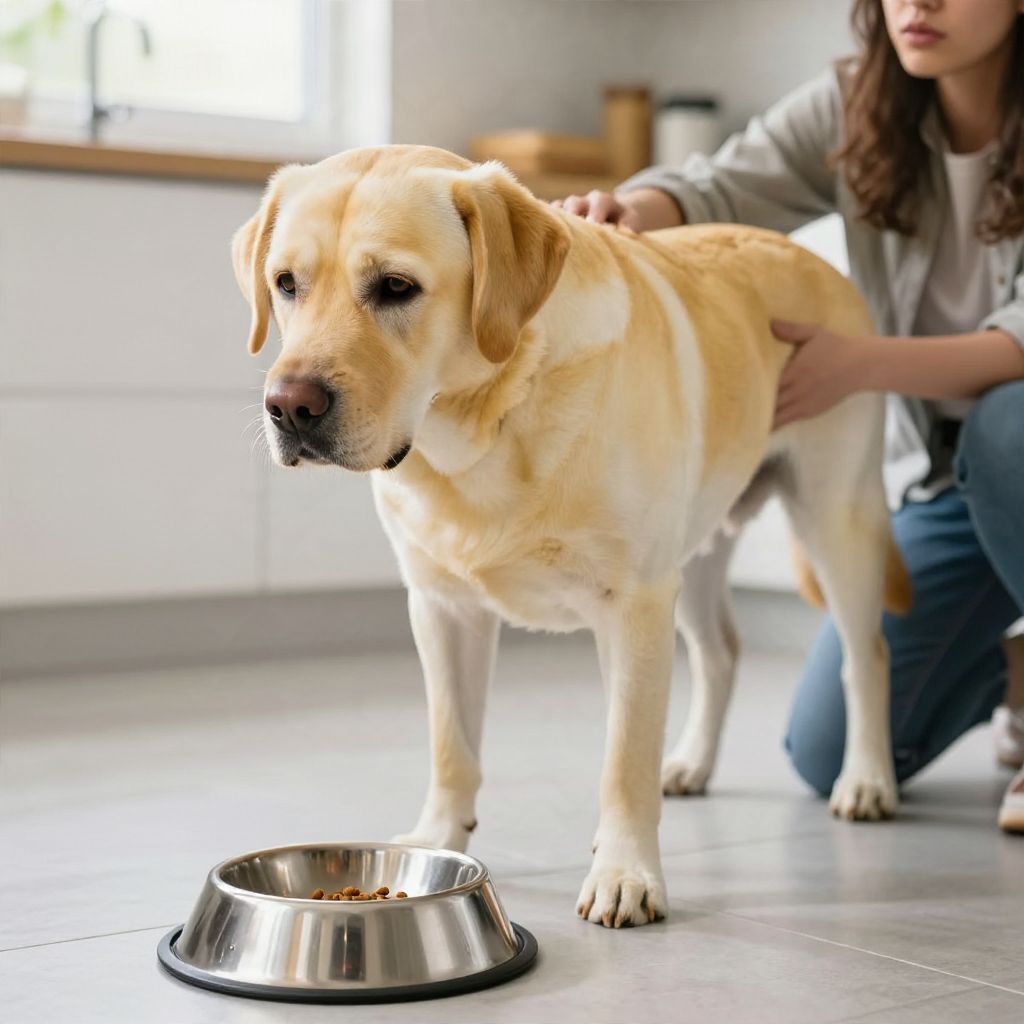
Why isn’t my dog eating? A temporary appetite dip can happen from stress, heat, a recent diet change, dental discomfort, or mild stomach upset. But a dog that skips meals can also be showing an illness or pain signal, so it helps to watch closely for other symptoms.
The key is to note how long the appetite loss lasts, whether your dog is still drinking, and whether there are signs like vomiting, diarrhea, lethargy, or trouble chewing. If your dog seems unwell or stops eating completely, contact your veterinarian promptly.
Why isn’t my dog eating?
Dogs may refuse food for many reasons, including stress, routine changes, dental pain, nausea, medication side effects, or a medical problem. A single missed meal is not always an emergency, but not eating plus vomiting, diarrhea, weakness, pain, or drinking less should be checked by a veterinarian.
Common reasons a dog stops eating
Some causes are simple and temporary, while others need medical attention. Your dog’s age, size, breed tendencies, health history, and normal eating habits all matter when you judge how serious the change is.
Stress or routine changes
Dogs can lose interest in food when their environment changes. A move, new pet, boarding, travel, loud noise, visitors, or a changed feeding schedule can all affect appetite.
Even confident dogs may eat less when they feel unsettled. Puppies and sensitive dogs may be especially affected by changes in routine.
Food-related issues
Your dog may turn away from food if the diet changed suddenly, the food is stale, the bowl is dirty, or the meal is too large for their appetite. Some dogs also become picky if they have learned that refusing food leads to tastier extras later.
- Try feeding at consistent times.
- Store food properly so it stays fresh.
- Avoid frequent switching between diets unless your vet recommends it.
- Do not rely on treats or table scraps to “fix” a poor appetite.
Dental pain or mouth problems
Chewing can hurt if a dog has broken teeth, gum disease, an oral injury, or something stuck in the mouth. Dogs with mouth pain may approach food, sniff it, and walk away, or they may only eat soft food.
Watch for drooling, pawing at the mouth, bad breath, bleeding, or dropping food. These signs deserve a veterinary exam.
Nausea or stomach upset
Nausea often causes dogs to stop eating before other symptoms appear. Your dog may lick lips, swallow repeatedly, drool, or seem restless. Some dogs also eat grass, vomit, or have diarrhea.
If your dog has repeated vomiting, diarrhea, belly pain, or cannot keep water down, do not wait it out. Those signs can become serious quickly.
Illness or pain
Many medical problems can reduce appetite, including infections, fever, kidney or liver disease, pancreatitis, intestinal blockage, and other painful conditions. Older dogs may eat less because of chronic disease, while puppies can decline quickly if something is wrong.
Because appetite loss can be an early sign of illness, it is safer to call your vet sooner rather than later when the change is unusual for your dog.
Medication side effects
Some medications can upset the stomach or reduce appetite. If your dog recently started a new medication and is no longer eating, contact the prescribing veterinarian for guidance instead of stopping treatment on your own.
When is not eating an emergency?
Seek urgent veterinary care if your dog is not eating and also has trouble breathing, collapse, repeated vomiting, a swollen abdomen, severe weakness, pale gums, signs of poisoning, seizures, or cannot keep water down. These are red flags that should not wait.
Also contact a veterinarian promptly if your dog:
- Has not eaten for more than 24 hours and seems otherwise unwell
- Is a puppy, toy breed, senior dog, or dog with a known medical condition
- Has diarrhea, especially if it is bloody or frequent
- Shows pain, fever, or unusual behavior
- May have eaten a foreign object or something toxic
Very young puppies can become weak from not eating much faster than adult dogs, so appetite loss in a puppy should be taken seriously.
What you can check at home first
If your dog skipped one meal but otherwise seems bright, comfortable, and interested in water, a brief observation period may be reasonable. Use that time to look for clues rather than guessing.
- Check whether your dog is drinking normally.
- Look for vomiting, diarrhea, coughing, drooling, or pawing at the mouth.
- Think about recent stress, travel, diet changes, or new medications.
- Inspect the mouth only if your dog allows it safely.
- Note how much food was left and whether your dog is acting normally.
If your dog is otherwise normal, you can offer the next meal at the usual time and keep the environment calm. Do not force-feed unless a veterinarian has told you to do so.
Simple feeding tips that may help
These steps can help if the problem is mild and temporary. They are not a substitute for veterinary care when your dog seems sick.
- Feed in a quiet place away from distractions.
- Keep meals on a regular schedule.
- Offer the normal diet first before adding extras.
- Make sure the food is fresh and the bowl is clean.
- If your vet approves, warming food slightly may increase aroma for some dogs.
Be careful not to create a cycle where your dog waits for something tastier. Repeatedly replacing meals with special treats can make picky eating worse.
What not to do
Do not use punishment, pressure, or force to make your dog eat. Those approaches can increase stress and make food refusal worse.
Also avoid giving random home remedies or human medications unless your veterinarian specifically tells you to. Some products can be unsafe for dogs, and the wrong choice can hide a more serious problem.
How age and life stage affect appetite
Different dogs have different needs, and appetite changes can mean different things depending on age and body condition.
Puppies
Puppies should generally eat regularly and may need faster veterinary attention if they skip meals. Low blood sugar, parasites, infections, and sudden diet changes can affect them more quickly than adult dogs.
If a puppy is not eating well, seems tired, or has diarrhea or vomiting, call your vet promptly.
Adult dogs
Healthy adult dogs may occasionally miss a meal because of stress or mild stomach upset. Still, a dog that refuses food for more than a day, or that has other symptoms, should be evaluated.
Senior dogs
Older dogs may eat less because of dental disease, arthritis that makes it hard to get comfortable, reduced smell, or chronic illness. Because senior dogs can have hidden medical problems, appetite changes should not be brushed off as “just old age.”
Breed, size, and temperament can matter
There is no single breed answer to why a dog stops eating. Some dogs are more sensitive to stress, some are more food-motivated, and some are more prone to dental or digestive issues, but individual history matters more than breed labels alone.
Small dogs may show a problem sooner because they have less reserve, while large dogs may be at higher risk for certain urgent issues if they seem bloated or uncomfortable. Your dog’s normal pattern is the best baseline.
How to tell picky eating from illness
Picky eating usually happens in a dog that otherwise feels normal, drinks normally, and stays energetic. Illness is more likely when appetite loss comes with behavior changes or physical symptoms.
- More likely picky: your dog is alert, playful, and eats treats but ignores meals sometimes.
- More likely illness: your dog is quiet, nauseated, painful, vomiting, or has diarrhea.
- Needs a vet visit: appetite loss keeps happening or your dog is losing weight.
If your dog only wants human food or treats, that does not rule out illness. Some sick dogs will still accept highly palatable extras.
When to call the veterinarian
Call your veterinarian if your dog’s appetite change lasts longer than a day, keeps recurring, or comes with any other symptom. You should also call sooner if your dog has a medical condition such as diabetes, kidney disease, pancreatitis, or a history of digestive problems.
Your vet may ask about diet, medications, vomiting, stool changes, chewing habits, and possible toxin exposure. That information helps them decide whether your dog needs an exam, testing, or urgent treatment.
Possible questions your vet may ask
Being ready with details can speed up care. Before you call, try to note:
- When your dog last ate normally
- Whether water intake has changed
- Any vomiting, diarrhea, or coughing
- Recent diet changes or new treats
- Any chance of chewing toys, bones, trash, or foreign objects
- Any medication or supplement changes
Helpful next steps
If your dog is only briefly off food and otherwise bright, keep the routine calm and monitor closely. If the appetite loss is new, repeated, or paired with other symptoms, your veterinarian is the right next step.
For related concerns, you may also find it useful to read about why dogs eat dirt and why dogs have diarrhea, since digestive upset and unusual eating behavior can sometimes appear together.