
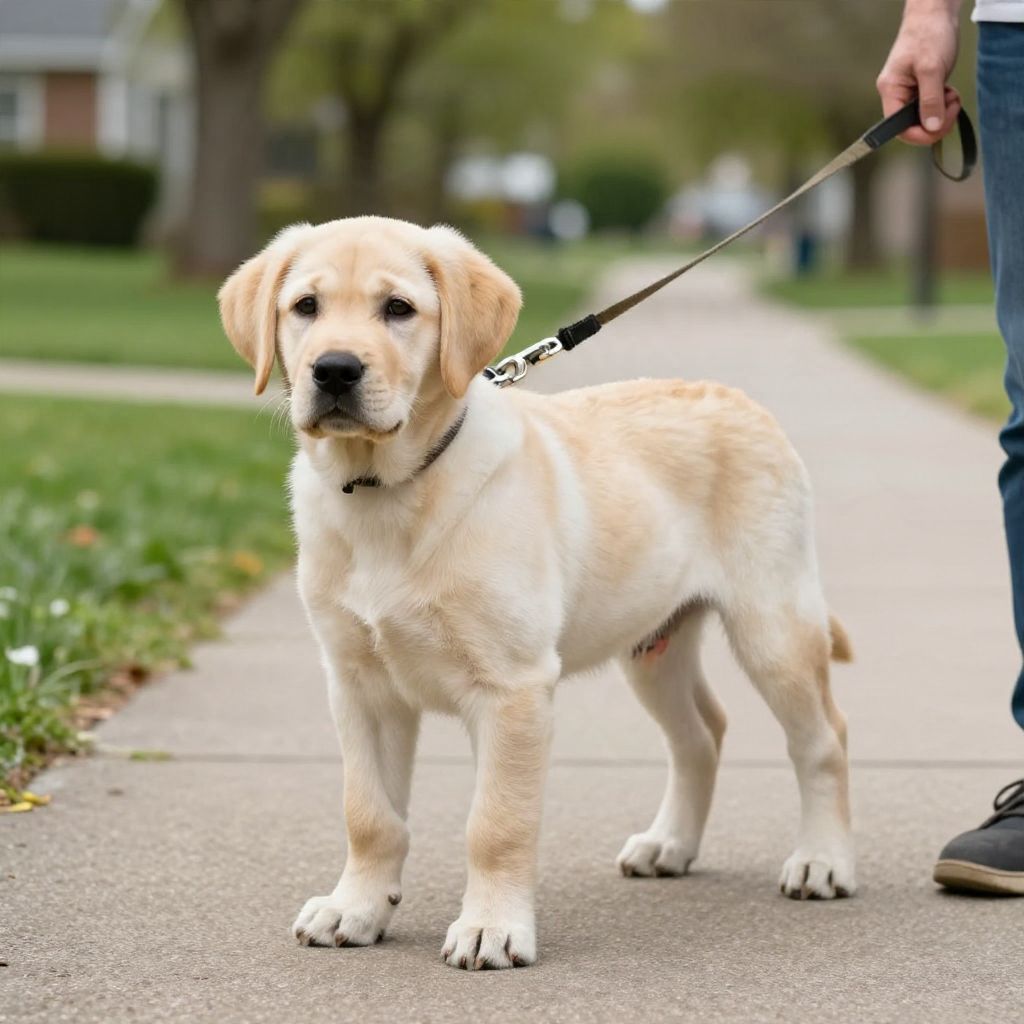
If you’re wondering when is a dog no longer a puppy, the short answer is that it depends on age, breed size, and development. Many dogs look grown before they are fully mature in body, brain, and behavior.
Most dogs leave the puppy stage somewhere between 12 and 24 months, but giant breeds may take longer to finish growing. Your dog may still need puppy-style training, management, and nutrition even after the “cute puppy” phase ends.
When Is A Dog No Longer A Puppy?
A dog is usually no longer considered a puppy once growth slows and adult behavior begins to replace puppy-like dependence, often around 1 year old for many small and medium dogs. Larger and giant breeds may stay immature for 18 to 24 months, and some continue maturing beyond that.
What “Puppy” Really Means
The word puppy can refer to more than just age. It often includes rapid growth, teething, shorter attention spans, high energy, and a strong need for supervision and socialization.
Even after your dog reaches a certain birthday, some of those puppy traits can linger. That is especially true if your dog is still learning house manners, impulse control, or calm behavior around people, dogs, and new environments.
Age is only part of the picture
- Physical maturity: bones, joints, and muscles are still developing in many young dogs.
- Behavioral maturity: focus, patience, and emotional control often take longer than physical growth.
- Breed and size: smaller dogs tend to mature sooner than larger dogs, but individual variation is common.
- Life experience: training, socialization, and routine can shape how “puppy-like” a dog seems.
Typical Age Ranges by Dog Size
There is no single universal cutoff, but size gives a useful general guide. Many small breeds mature earlier, while large and giant breeds often need more time to finish growing and settling into adult behavior.
General timeline
- Small dogs: often seem more adult by about 9 to 12 months.
- Medium dogs: often transition around 12 to 15 months.
- Large dogs: often need 15 to 18 months or more.
- Giant dogs: may still be maturing at 18 to 24 months, sometimes longer.
These are broad averages, not guarantees. A calm 10-month-old puppy may act more adult than a playful 2-year-old dog that still needs structure and training.
Signs Your Dog Is Moving Out of the Puppy Stage
You may notice your dog becoming less puppy-like in several ways. These changes often happen gradually rather than all at once.
- More predictable house training
- Longer attention span during training sessions
- Less mouthing, jumping, and chaotic play
- Better tolerance for being alone for short periods
- More settled sleep and rest patterns
- Reduced teething-related chewing
- Improved ability to relax in the home
Some adolescent dogs still have bursts of wild energy even after their first birthday. That does not mean something is wrong; it often means they are in a normal teenage phase.
Puppyhood vs Adolescence: Why the Middle Stage Feels Confusing
Many owners expect a dog to become “grown up” right after the puppy months, but adolescence can be the trickiest stage. Your dog may be physically bigger, yet still impulsive, distractible, and inconsistent with training.
This stage commonly includes testing boundaries, selective listening, and renewed chewing or jumping. It is normal, but it does mean you should keep using positive reinforcement, supervision, and routines.
Common adolescent behaviors
- Ignoring cues they previously knew
- Pulling harder on leash
- Excitement around guests or other dogs
- Chewing on inappropriate items
- Increased independence or stubbornness
How Breed and Body Size Affect Maturity
Breed can influence how fast a dog grows and matures, but it does not determine everything. Two dogs of the same breed can develop at different rates depending on genetics, environment, health, and training.
Smaller dogs often reach their adult size sooner, while bigger dogs usually need more time for their skeleton and joints to mature. That is one reason large-breed puppies should not be rushed into high-impact exercise or adult expectations too early.
What varies from dog to dog
- Growth rate and final size
- Energy level and stamina
- Confidence around new people or places
- How quickly training “sticks”
- Need for mental enrichment and rest
Care Changes as Your Dog Leaves Puppyhood
Even when your dog is no longer a puppy, the transition should be gradual. Adult dogs still need structure, exercise, enrichment, and regular veterinary care.
Training
Keep reinforcing basic cues such as sit, stay, come, loose leash walking, and settle. Reward-based training works well for both puppies and young adults because it builds trust and helps your dog choose good behavior.
- Use short, frequent sessions.
- Practice in different places, not just at home.
- Reward calm behavior, not only excitement or speed.
- Continue socialization in a safe, positive way.
Exercise
Adult dogs usually need more consistent exercise than very young puppies, but the right amount depends on breed, health, and temperament. A dog that seems restless may need more mental work, not just more physical activity.
- Walks, sniffing time, and play can all help.
- Avoid overdoing intense running or jumping in still-growing dogs.
- Watch for fatigue, limping, or reluctance to move.
Nutrition
Diet needs often change when a dog transitions from puppy food to adult food. The timing depends on size and growth stage, so ask your veterinarian when to switch rather than guessing based only on age.
- Large-breed puppies may need longer support for controlled growth.
- Rapid weight gain is not a sign of healthy growth.
- Food changes should be made gradually to reduce stomach upset.
Grooming and handling
Grooming should continue after puppyhood, especially if your dog is a long-haired or high-shedding breed. Adult dogs also benefit from ongoing handling practice so nail trims, brushing, and vet visits stay manageable.
- Keep brushing on a routine schedule.
- Practice paw, ear, and mouth handling gently.
- Reward cooperation to make care easier over time.
Common Mistakes Owners Make During the Transition
One common mistake is assuming that a dog is “grown” just because the puppy look is gone. Another is expecting adult-level self-control before the dog has had enough training and practice.
- Stopping training too early
- Giving too much freedom too soon
- Skipping socialization after puppyhood
- Using punishment instead of teaching desired behavior
- Overexercising a still-developing dog
Another mistake is changing food or exercise routines without considering growth stage. If you are unsure, your veterinarian can help you match care to your dog’s age and body condition.
When to Ask a Veterinarian or Trainer for Help
Most dogs mature normally, but some need extra support. If your dog’s behavior, growth, or health seems unusual, it is wise to get professional guidance rather than waiting it out.
Call your veterinarian if you notice
- Lameness, stiffness, or pain
- Persistent vomiting or diarrhea
- Loss of appetite or poor weight gain
- Extreme tiredness or weakness
- Unusual aggression, fear, or anxiety
- Development that seems far behind or far ahead of expectations
Seek urgent veterinary care for red flags
- Difficulty breathing
- Collapse or inability to stand
- Seizures
- Bloated, painful abdomen
- Suspected poisoning or toxin exposure
- Severe injury, heavy bleeding, or sudden severe pain
If behavior problems are becoming hard to manage, a certified trainer or veterinary behaviorist can help you build a humane plan based on reward, management, and clear routines.
How to Tell Whether Your Dog Still Needs Puppy-Level Support
Some dogs are technically out of puppyhood but still need puppy-style structure. A useful question is not just “How old is my dog?” but “Can my dog reliably cope with everyday life?”
- Can your dog settle calmly at home?
- Can your dog handle short alone time without distress?
- Does your dog respond to cues in low-distraction settings?
- Is chewing, jumping, or mouthing still frequent?
- Does your dog recover quickly from excitement or frustration?
If the answer to several of these is no, your dog may still need puppy-level management even if the calendar says otherwise.
Bottom Line
When is a dog no longer a puppy? For many dogs, it is somewhere between 12 and 24 months, but the exact timing depends on size, breed tendencies, and individual maturity. Focus on development, not just age, and keep training, exercise, and veterinary care appropriate to your dog’s stage.
If you want to understand the next step after puppyhood, you may also find these guides helpful: when dogs are fully grown and when a dog is considered a senior.