
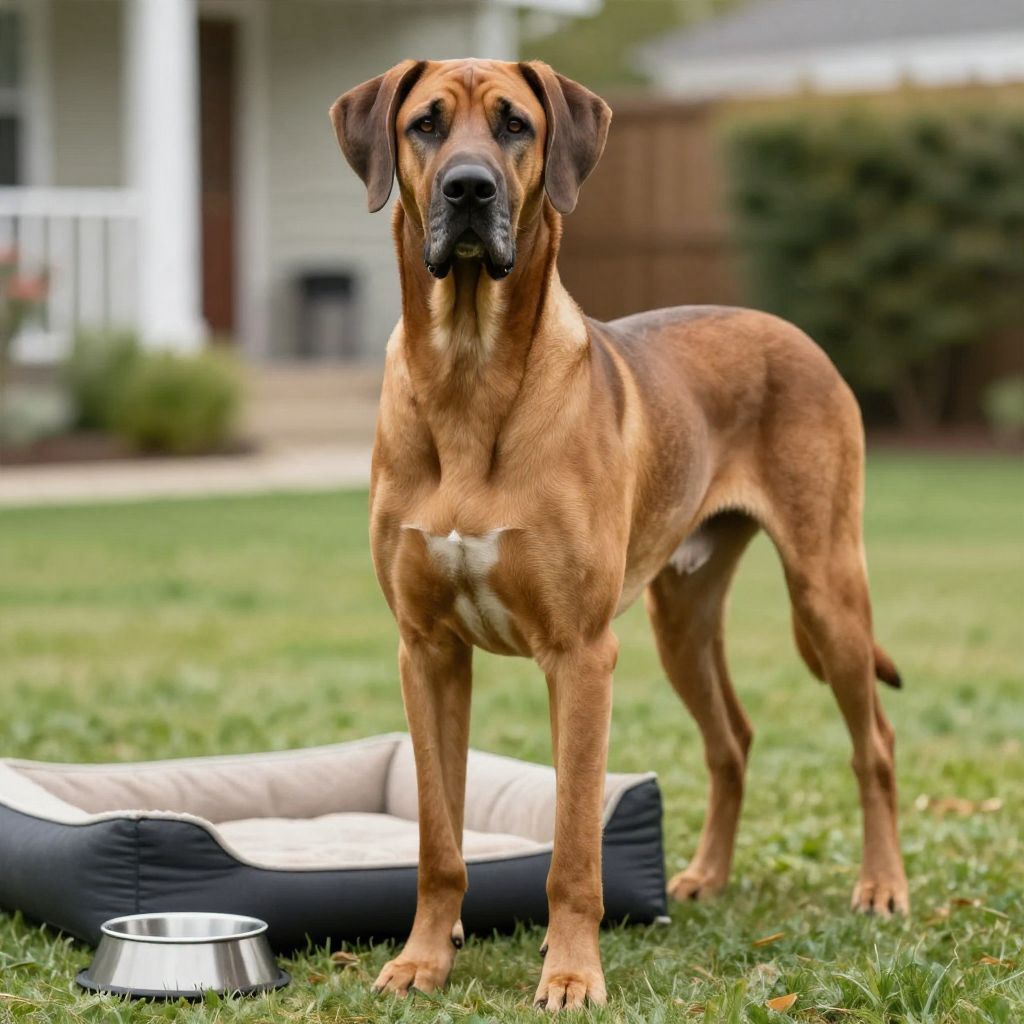
If you’ve ever wondered, “What dog breed is Scooby Doo?” the short answer is that he is usually portrayed as a Great Dane. His lanky frame, long legs, large size, and floppy ears match the classic cartoon version of the breed.
That said, Scooby-Doo is a fictional character, so his design is exaggerated for comedy. Real Great Danes can share some of those traits, but their individual temperament, size, and care needs can vary a lot.
What Dog Breed Is Scooby Doo?
Scooby-Doo is generally considered a Great Dane. The character’s tall build, big paws, narrow face, and droopy ears are all features commonly associated with Great Danes, though the cartoon version is more stylized than a real dog.
Why Scooby-Doo Looks Like a Great Dane
Animators gave Scooby a silhouette that is easy to recognize and fun to exaggerate. Great Danes are known for their large, elegant frames, which fit the character’s goofy, oversized look.
Some of Scooby’s most recognizable traits line up with the breed:
- Long legs and a tall body
- Large head and muzzle
- Floppy ears
- Deep chest and lean outline
- A gentle, expressive face
Even so, Scooby is not a realistic portrait of every Great Dane. Real dogs of this breed can look quite different depending on genetics, age, body condition, and whether they are show-bred or companion-bred.
Typical Great Dane Temperament: What You Can Expect
Great Danes are often described as affectionate, calm, and people-oriented, but temperament is never guaranteed. Individual dogs vary based on breeding, early socialization, training, and life experience.
Common breed tendencies
- Usually friendly or social with familiar people
- Often gentle in the home despite their size
- Can be sensitive and respond best to positive training
- May be protective or reserved with strangers if not well socialized
- May think they are lap dogs, even when they are not
Scooby’s personality is playful and nervous, which is a cartoon exaggeration. Real Great Danes are not typically “scaredy dogs,” but some can be cautious, especially without early socialization or if they have had stressful experiences.
How to Care for a Great Dane Like Scooby
If you live with a Great Dane, care should be tailored to a giant-breed body. Their size affects feeding, exercise, joint support, and even how you manage daily routines.
Feeding and body condition
Great Danes should stay lean. Extra weight puts more stress on joints and can make movement harder, especially as they age.
- Feed a complete, balanced diet appropriate for your dog’s life stage
- Use measured meals rather than free-feeding unless your veterinarian advises otherwise
- Ask your vet how to monitor ideal body condition
- Be cautious with rapid diet changes, which can upset digestion
Because large and giant breeds have special nutritional needs, it is a good idea to choose food formulated for large-breed dogs, especially during growth. Your veterinarian can help you pick the right option for your dog’s age and health.
Exercise and activity
Great Danes need regular exercise, but not extreme or high-impact activity, especially when young. Controlled walks, light play, and mental enrichment are usually better than repetitive jumping or hard running on demanding surfaces.
- Use calm leash walks for daily exercise
- Include puzzle toys and training games for mental stimulation
- Avoid overexertion in hot weather
- Be careful with stairs, slippery floors, and repeated jumping
Because they are large, even a playful Great Dane can accidentally knock over children or fragile objects. Good management matters as much as training.
Grooming and home care
Great Danes have short coats that are usually easy to maintain, but they still shed and need routine care.
- Brush weekly to help remove loose hair
- Check ears, nails, teeth, and skin regularly
- Trim nails before they become long enough to affect movement
- Use a comfortable bed that supports joints
Because of their size, everyday tasks like bathing, lifting, and nail trimming can be physically harder. If your dog resists grooming, a professional groomer or veterinary team can help you build a safer routine.
Training Tips for a Big, Sensitive Dog
Great Danes usually do best with kind, consistent training. Harsh methods are not helpful and can make a sensitive dog more anxious or avoidant.
Focus on these basics
- Start socialization early and continue it gradually
- Teach loose-leash walking before your dog becomes too strong to manage easily
- Practice polite greetings to reduce jumping
- Reward calm behavior in the house
- Use short, upbeat training sessions
For a dog this large, training is a safety issue, not just a manners issue. A well-trained Great Dane is easier to handle, safer around visitors, and more confident in daily life.
Common Health Concerns in Great Danes
Great Danes can be prone to certain health issues because of their size. Not every dog will develop these problems, but it is wise to know the warning signs.
Problems to watch for
- Bloat or gastric dilatation-volvulus (GDV): a life-threatening emergency
- Joint and bone strain: especially in growing dogs or overweight adults
- Heart disease: large breeds can be at risk for certain cardiac conditions
- Skin issues: irritation, allergies, or pressure sores
- Mobility decline in senior dogs: stiffness, weakness, or trouble rising
Emergency warning signs that need urgent veterinary care include a swollen or tight abdomen, repeated unproductive retching, sudden collapse, severe difficulty breathing, pale gums, or extreme weakness. Do not wait if you see these signs.
If your dog is limping, slowing down, or showing pain, schedule a veterinary exam. Pain can have many causes, and early care often improves comfort and mobility.
Is Scooby-Doo’s Personality Realistic for a Great Dane?
Only partly. Scooby’s loyalty and affectionate bond with his people are believable traits for many Great Danes. His exaggerated fearfulness, slapstick behavior, and human-like comedy are fictional and should not be used as a guide for what all Great Danes are like.
Real dogs are individuals. A well-bred, well-socialized Great Dane may be confident, goofy, reserved, playful, or somewhere in between. Your dog’s environment and training matter just as much as breed labels.
What to Consider Before Getting a Great Dane
If you are drawn to Scooby-Doo and are thinking about a Great Dane, make sure the breed fits your home, schedule, and budget. Giant breeds can be wonderful companions, but they also require space, planning, and veterinary care that may be more expensive than for smaller dogs.
- Can you manage a very large dog safely?
- Do you have room for a giant bed, crate, and feeding area?
- Can you handle routine vet costs for a large breed?
- Are you prepared for training and socialization from puppyhood?
- Can you provide steady companionship and daily structure?
If you want a dog with a gentle, affectionate presence, a Great Dane may be a good match. If you want a low-maintenance or highly athletic dog, another breed may be a better fit.
When to Talk to a Veterinarian or Trainer
Contact your veterinarian if your Great Dane has digestive upset, mobility changes, breathing concerns, persistent anxiety, or any sudden behavior shift. For training problems such as leash pulling, jumping, fearfulness, or reactivity, a certified reward-based trainer or veterinary behaviorist can help.
Early support is especially useful with giant breeds, because habits that seem small in puppyhood can become difficult to manage once the dog is full-grown.
So, what dog breed is Scooby Doo? He is best known as a Great Dane, and that makes sense based on his size and shape. If you live with a Great Dane, focus on gentle training, lean body condition, sensible exercise, and regular veterinary care to help your dog thrive.
If you want to learn more, you can also read more about Scooby-Doo’s breed and whether Scooby-Doo is a Great Dane.