
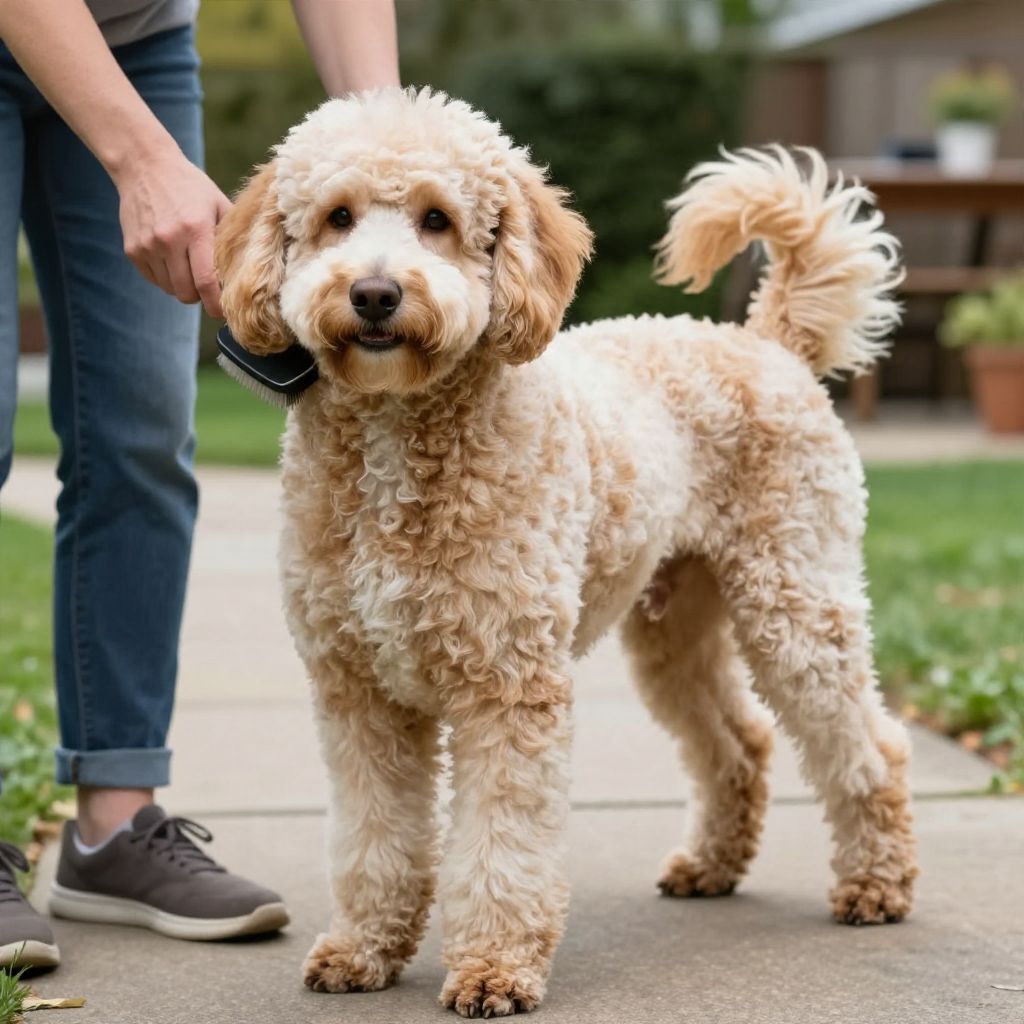
If you’re asking, “What is a Whoodle?” you’re usually looking at a mixed-breed dog with Poodle ancestry and a Wheaten Terrier parent. Whoodles are often described as friendly, energetic companion dogs, but individual temperament can vary a lot.
Because they are mixed breeds, there is no single guaranteed size, coat type, or personality. What you can expect is a dog that may need regular grooming, early training, and plenty of daily activity.
What Is A Whoodle?
A Whoodle is a cross between a Soft Coated Wheaten Terrier and a Poodle. Like many designer mixes, the goal is usually to combine traits from both parents, but the result is never exact. Some Whoodles may be more terrier-like, while others may take after the Poodle side in coat and trainability.
What Makes a Whoodle Different From Other Poodle Mixes?
Whoodles are often compared with other “doodle” dogs because they may have a low-shedding coat and a people-oriented nature. The difference is that Wheaten Terrier influence can bring a more terrier-style personality, which may mean more enthusiasm, curiosity, and a stronger independent streak in some dogs.
Typical traits you may see
- Affectionate with family members
- Playful and active
- Intelligent and trainable, but sometimes stubborn
- May need consistent grooming
- Can be social, especially with early positive experiences
These are tendencies, not promises. A dog’s behavior depends on genetics, early socialization, training, health, and daily routine.
What Should You Know About a Whoodle’s Coat and Grooming?
Many Whoodles have a wavy or curly coat that can mat if it is not brushed regularly. Some may shed less than other dogs, but no coat is truly maintenance-free. Grooming needs can also change depending on coat texture, season, and whether the dog is clipped short or kept longer.
Common grooming needs
- Brushing several times a week, or more often for curlier coats
- Regular nail trims
- Ear checks and cleaning as recommended by your veterinarian or groomer
- Bathing when needed, not too often
- Professional grooming for coat shaping and mat prevention
Watch for mats behind the ears, under the collar, in the armpits, and around the legs. Mats can pull on the skin, trap moisture, and make grooming painful.
How Much Exercise Does a Whoodle Need?
Most Whoodles do best with daily exercise and mental activity. The exact amount depends on age, health, and individual energy level, but many do well with walks, play sessions, and training games spread through the day.
Good exercise options
- Leashed walks
- Fetch or tug with safe rules
- Food puzzles and scent games
- Short training sessions
- Controlled play with other friendly dogs, if appropriate
Young dogs may appear energetic, but overexercising growing puppies can be hard on developing joints. If you are unsure how much activity is appropriate, ask your veterinarian for guidance based on your dog’s age and body condition.
Are Whoodles Easy to Train?
Many Whoodles respond well to reward-based training because they are often intelligent and people-focused. Still, some may be distractible or independent, especially if terrier traits are strong. Short, positive sessions usually work better than long, repetitive drills.
Training priorities for a Whoodle
- Start with name recognition and attention to you.
- Teach basic cues such as sit, stay, come, and leave it.
- Practice loose-leash walking early.
- Reward calm behavior and polite greetings.
- Use management tools like gates, crates, or tethers to prevent rehearsing bad habits.
Avoid punishment-based methods. Harsh corrections can damage trust and may make fear, reactivity, or avoidance worse.
How Should You Feed a Whoodle?
Feed a complete and balanced dog food that matches your dog’s life stage, size, and health needs. Whoodles do not need a special homemade diet just because they are a mixed breed, and treats should stay limited so they do not crowd out proper nutrition.
Feeding basics
- Choose food labeled for your dog’s age and size
- Measure meals instead of free-feeding if weight gain is a concern
- Use treats sparingly during training
- Keep fresh water available at all times
- Ask your veterinarian before changing diets for allergies, digestive issues, or weight management
If your Whoodle has vomiting, diarrhea, itching, repeated ear infections, or poor coat quality, do not assume the food is the only cause. Those signs can have many possible explanations and should be discussed with a veterinarian.
What Health Issues Can Affect a Whoodle?
Because a Whoodle is a mixed breed, health concerns can vary depending on the parents and the individual dog. Some issues that may occur in Poodle- or Wheaten-type dogs can appear in a Whoodle, but not every dog will develop them.
Possible concerns to watch for
- Skin irritation or allergies
- Ear infections, especially if the ears are floppy or hairy
- Dental disease if teeth are not cared for
- Joint problems in some dogs, especially as they age
- Digestive sensitivity in some individuals
Routine veterinary care matters. Wellness exams, parasite prevention, dental care, and weight management can help catch problems early and support long-term health.
Red flags that need veterinary attention
- Sudden weakness, collapse, or trouble breathing
- Repeated vomiting or diarrhea, especially with blood
- Swollen abdomen, retching, or signs of severe pain
- Not eating for more than a day, or refusing water
- Sudden limping or inability to bear weight
- Seizures, disorientation, or unusual behavior changes
If your dog has trouble breathing, collapses, has a swollen belly, or seems severely painful, seek urgent veterinary care right away.
Is a Whoodle Good With Children and Other Pets?
Many Whoodles can live well with children and other pets when they are well socialized and supervised. However, no dog should be expected to tolerate rough handling, chasing, or teasing, and some individuals may be more sensitive or excitable than others.
Safer household habits
- Teach children to let the dog rest and eat in peace
- Supervise all interactions with young children
- Introduce other pets gradually and calmly
- Reward quiet behavior around visitors and animals
- Give the dog a safe retreat space
If your Whoodle shows stiff body language, growling, hiding, or snapping, do not punish the warning signs. Instead, separate the dog from the trigger and consult a qualified trainer or veterinary behaviorist.
What Should You Expect From a Whoodle Puppy?
A Whoodle puppy usually needs structure, patience, and frequent positive experiences. Early weeks are a good time to build house-training habits, handling tolerance, and confidence around normal sights and sounds.
Important puppy priorities
- House training on a predictable schedule
- Gentle handling for grooming and vet visits
- Safe socialization with people, sounds, surfaces, and dogs
- Chewing outlets and puppy-proofing
- Short, upbeat training sessions
Socialization should be thoughtful, not overwhelming. The goal is calm exposure paired with rewards, not forcing the puppy to “get over it.”
What Are Common Mistakes Whoodle Owners Make?
One common mistake is assuming a Whoodle will be low-maintenance because it may shed less than some dogs. In reality, grooming, exercise, and training are still important, and some dogs need more structure than owners expect.
Other mistakes to avoid
- Skipping brushing until mats form
- Underestimating exercise and mental stimulation needs
- Using harsh training methods
- Ignoring early signs of anxiety or reactivity
- Delaying vet care for ongoing itching, ear problems, or digestive issues
How Do You Know If a Whoodle Is Right for You?
A Whoodle may be a good fit if you want an interactive companion and are ready for regular grooming, training, and daily activity. It may not be the best choice if you want a very low-effort dog or if you cannot commit to coat care and consistent exercise.
Before bringing one home, think about your schedule, your experience with dogs, and whether you can meet the dog’s needs through puppyhood, adulthood, and senior years. Meeting the individual dog and learning about the parents can also help, though it still cannot guarantee adult size or temperament.
If you are still comparing breeds and mixes, you may also find it helpful to read about what a Pomsky is and how mixed-breed traits can vary.
In short, a Whoodle is a Poodle-and-Wheaten Terrier mix that may be affectionate, active, and intelligent, but also somewhat variable in coat, temperament, and care needs. If you choose one, plan for grooming, positive training, exercise, and regular veterinary care so your dog can thrive.