
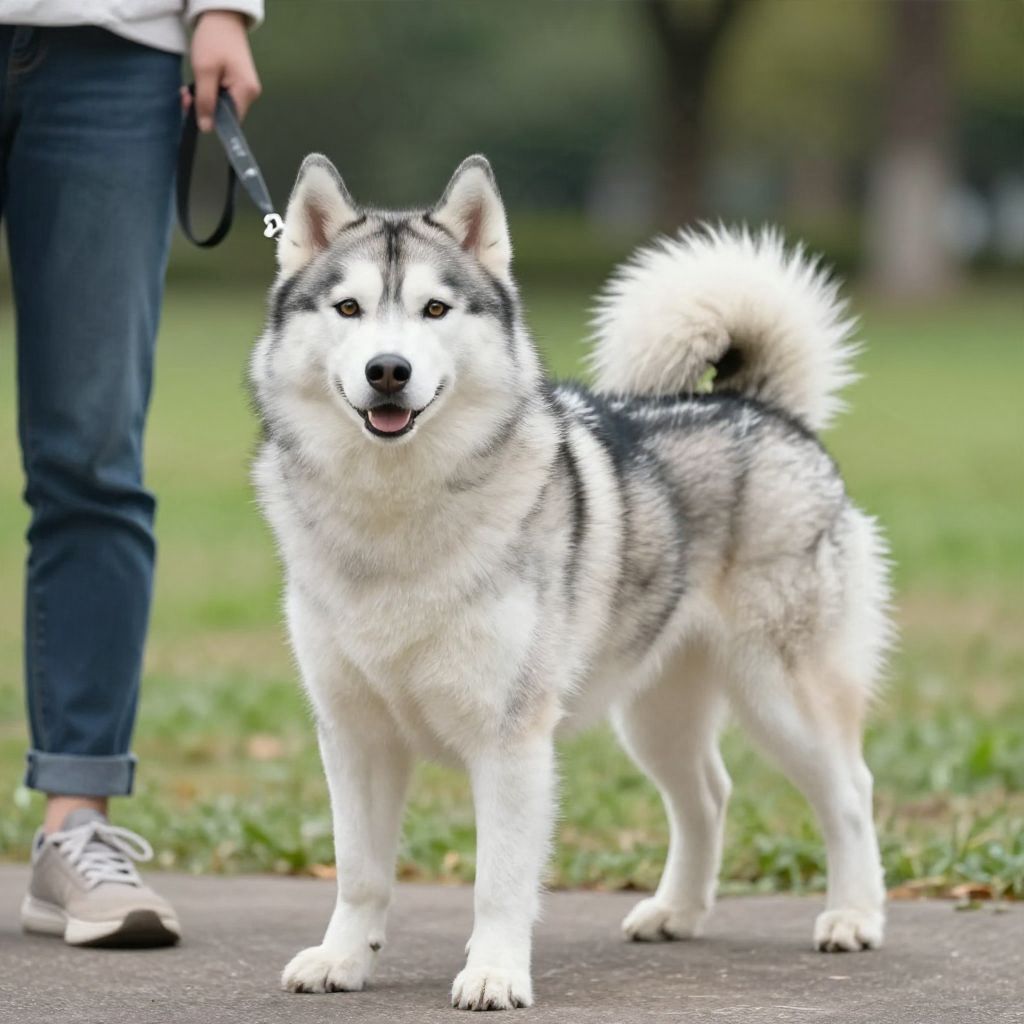
A Pomsky is a mixed-breed dog created by crossing a Pomeranian with a Siberian Husky. Because it is a hybrid, a Pomsky can vary a lot in size, coat, energy level, and temperament from one dog to another.
If you are asking whether a Pomsky is the right dog for you, the short answer is that this breed mix can be affectionate and playful, but it often needs consistent training, grooming, exercise, and careful management. Individual dogs may take more after one parent than the other.
What Is A Pomsky?
A Pomsky is a designer mixed breed, usually a Pomeranian and Siberian Husky cross. It is not a standardized purebred dog, so there is no single guaranteed look or personality. Most Pomskies are companion dogs with lively, intelligent, and sometimes stubborn traits that need patient, reward-based training.
Pomsky Meaning: What The Name Tells You
The name “Pomsky” combines “Pom” from Pomeranian and “sky” from Husky. That name reflects the mix, but it does not tell you exactly how a particular dog will look or behave. Some Pomskies may resemble a small Husky, while others may look more like a fluffy spitz-type companion dog.
What A Pomsky Usually Looks Like
Appearance can vary widely because mixed-breed puppies inherit different traits from each parent. Common features may include a plush double coat, erect ears, a curled or plume-like tail, and striking eye color, though none of these are guaranteed.
Common physical traits
- Fluffy coat that may shed seasonally or heavily
- Compact to medium build, depending on parentage
- Alert expression and upright ears in many dogs
- Color patterns that may resemble either parent
Be cautious about assuming adult size from puppy photos. A Pomsky puppy can change dramatically as it matures, especially if its parents differ a lot in size.
What Is A Pomsky Like In Temperament?
Pomskies are often described as smart, energetic, social, and entertaining, but temperament is individual. Some are eager to learn and people-focused, while others are more independent or easily distracted. Early socialization and positive training make a big difference in how manageable the dog becomes.
Typical behavior traits you may see
- High curiosity and problem-solving ability
- Strong play drive
- Possible vocal tendencies, such as barking or “talking”
- Need for mental stimulation as well as physical exercise
Because Pomskies can be clever, they may find ways to escape, chew, or invent their own entertainment if they are bored. That does not mean they are “bad dogs”; it usually means they need structure and enrichment.
Is A Pomsky A Good Family Dog?
A Pomsky can do well in a family if the household can meet its needs. Many do best with owners who enjoy training, daily activity, and coat care. Families with young children should supervise interactions carefully, because any dog can become overwhelmed by rough handling or too much noise.
Good fit if you can provide
- Daily exercise and play
- Consistent house rules
- Regular grooming
- Positive reinforcement training
- Safe containment indoors and outdoors
If you want a low-maintenance lap dog, a Pomsky may not be the best match. If you want an interactive companion and are ready for routine care, it may be a strong fit.
Pomsky Size, Exercise, And Energy Needs
Exercise needs vary by individual, but many Pomskies are active dogs that need more than a short walk. Daily movement, play, and training help prevent boredom-related behavior such as barking, digging, or destructive chewing.
Helpful exercise ideas
- Take brisk walks suited to your dog’s age and fitness level.
- Use short training sessions to work the brain as well as the body.
- Offer puzzle toys, sniffing games, and food-dispensing toys.
- Rotate activities so your dog does not get bored with the same routine.
A puppy should not be overexercised. Young dogs need age-appropriate activity, rest, and gradual conditioning rather than long runs or repetitive high-impact exercise.
Grooming Needs: Why Pomskies Often Need Regular Coat Care
Many Pomskies have thick coats that require frequent brushing to reduce tangles and loose hair. Grooming needs vary with coat type, but regular care is important for comfort, skin health, and keeping shedding under control.
Basic grooming routine
- Brush several times a week, or more during shedding seasons
- Check ears, teeth, nails, and paw pads regularly
- Bathe only as needed with dog-safe shampoo
- Never shave a double-coated dog without veterinary or grooming guidance
If your dog develops mats, skin redness, odor, or excessive scratching, ask a veterinarian or professional groomer to evaluate the problem. Skin issues can come from allergies, parasites, infection, or poor coat care.
Training A Pomsky: What Works Best
Pomskies usually respond best to positive reinforcement, consistency, and short sessions. Because they may be intelligent but independent, training should be engaging and reward-based rather than repetitive or harsh.
Training priorities for a Pomsky
- House training and crate training
- Reliable recall in safe, enclosed areas
- Loose-leash walking
- Settling calmly at home
- Comfort with handling, grooming, and vet care
Start early with socialization. Introduce your puppy to different people, sounds, surfaces, and calm dogs in controlled, positive ways so new experiences feel normal rather than scary.
Common Pomsky Challenges And How To Handle Them
Not every Pomsky develops the same issues, but a few challenges are common enough to plan for. Most are better managed with prevention, structure, and training than with punishment.
1. Vocalizing
Some Pomskies bark, whine, or “talk” more than average. Teach quiet cues, reward calm behavior, and avoid accidentally reinforcing noise by giving attention only when the dog is demanding it.
2. Separation stress
Some dogs struggle when left alone. Build alone-time gradually, provide enrichment, and ask a trainer or veterinarian for help if your dog panics, destroys items, or cannot settle.
3. Escape attempts
Because of their athletic and curious nature, some Pomskies may try to slip doors, jump barriers, or dig under fencing. Secure your home and yard carefully, and use a leash or harness outdoors unless the area is fully enclosed.
4. Puppy energy and mouthiness
Young dogs often nip, chew, and race around. Offer appropriate chew toys, manage the environment, and redirect calmly rather than using physical corrections.
Health Considerations For Pomskies
As a mixed breed, a Pomsky may inherit health risks from either parent line. No dog is guaranteed to be free of inherited problems, so responsible breeding, regular veterinary care, and early attention to symptoms matter.
Watch for these concerns
- Eye problems or squinting
- Dental disease, especially in small dogs
- Skin irritation or chronic itching
- Joint discomfort, stiffness, or limping
- Digestive upset that does not resolve quickly
Seek urgent veterinary care if your dog has trouble breathing, collapses, has repeated vomiting, a swollen abdomen, seizures, severe pain, or sudden weakness. These can be emergencies.
Feeding A Pomsky
Feed a complete and balanced dog food appropriate for your dog’s life stage, size, and activity level. A Pomsky may do well on a high-quality diet, but the exact amount depends on age, body condition, exercise, and metabolism.
Feeding tips
- Measure meals instead of free-feeding unless your veterinarian advises otherwise
- Use treats sparingly during training
- Monitor body condition, not just the scale
- Ask your vet before changing diets if your dog has allergies or digestive issues
Human food should not replace a balanced diet. If you want to share treats, keep them dog-safe and in small amounts, and avoid anything toxic or overly rich.
What To Ask Before Getting A Pomsky
If you are considering this mix, ask questions about the puppy’s parents, health testing, socialization, and current care routine. A responsible breeder or rescue should be transparent about temperament and medical history as much as possible.
Important questions to ask
- How large are the parents?
- What health screenings have been done?
- How has the puppy been socialized?
- What food and routine is the puppy currently on?
- What support is available after adoption?
Be wary of anyone promising a specific adult size, coat, or personality. With mixed breeds, those traits can be unpredictable.
Is A Pomsky Right For You?
A Pomsky may be a good choice if you want an intelligent, active companion and you are prepared for grooming, training, and daily engagement. It may be a poor choice if you want a very low-energy dog or if you cannot commit to consistent care.
The best next step is to learn about both parent breeds, meet the individual dog if possible, and be honest about your lifestyle. If you want to compare the parent breed traits, you may also find it helpful to read about what a Pomeranian is and where Pomeranians are from.
In short, a Pomsky is a Pomeranian-Husky mix with variable traits, often best suited to owners who can provide exercise, grooming, training, and patience. If you are ready for an energetic, individual dog rather than a predictable purebred, a Pomsky may be a rewarding companion.