
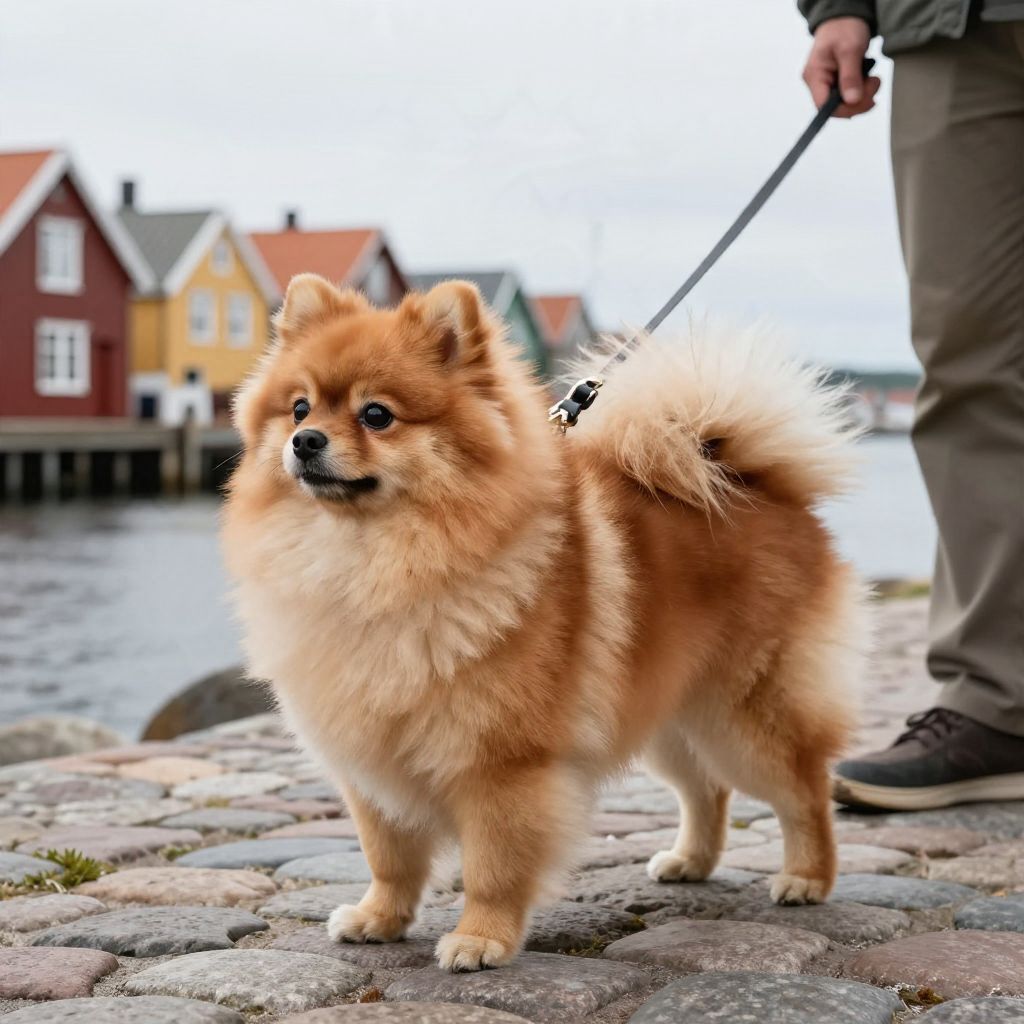
Where are Pomeranians from? The breed traces back to the Pomerania region of northern Europe, an area along the Baltic Sea that is now part of modern-day Poland and Germany. Today’s Pomeranians are much smaller than their larger Spitz-type ancestors, but they still carry the same alert, fluffy look.
If you are considering a Pomeranian or already live with one, it helps to know the breed’s history, typical traits, and care needs. That background can guide better choices about grooming, training, exercise, and health care.
Where Are Pomeranians From?
Pomeranians come from Pomerania, a historical region on the southern coast of the Baltic Sea in northern Europe. The breed was developed from larger Spitz-type dogs, then bred down in size over time. While the modern Pomeranian is a toy breed, its roots are in working dogs from a colder climate.
What Their Origin Means for Today’s Pomeranians
Pomeranian ancestry helps explain their thick double coat, fox-like face, and lively, alert nature. These dogs were shaped by a heritage of hardy northern breeds, so many enjoy being active and engaged, even though they are small enough to live comfortably in many homes.
How the Breed Changed Over Time
Early Pomeranian-type dogs were larger than the dogs you see today. Selective breeding gradually reduced size while preserving the Spitz appearance and energetic temperament. That history is why modern Pomeranians can seem like “big dogs in small bodies” in confidence and curiosity.
Why size reduction matters for care
Because the breed became much smaller, today’s Pomeranians may be more vulnerable to injury from rough handling, falls, or jumping off furniture. Their small size also means you should pay close attention to dental care, safe exercise, and weight management.
Typical Pomeranian Traits You May Notice
Not every Pomeranian is the same, but many share a few common tendencies. These are general patterns, not guarantees.
- Alertness: Many Pomeranians notice sounds and movement quickly.
- Confidence: They often act braver than their size suggests.
- Attachment to people: Many like being close to their family.
- Vocal tendencies: Some bark more than other breeds if not guided early.
- Coat maintenance needs: Their dense coat needs regular brushing.
Individual temperament depends on genetics, early socialization, training, age, health, and daily routine. A well-socialized Pomeranian may be outgoing and adaptable, while another may be shy, reserved, or more independent.
What to Know If You Live With a Pomeranian
Knowing where Pomeranians are from is interesting, but the practical question is how to care for one well. Their history as alert, fluffy Spitz dogs affects grooming, training, and safety needs in everyday life.
Grooming basics
Pomeranians usually need regular brushing to help prevent tangles and reduce loose hair. Their coat can mat, especially behind the ears, under the legs, and around the rear end.
- Brush several times a week, and more often during heavier shedding periods.
- Check for mats after walks, play, or time outdoors.
- Keep the coat clean and dry to help protect skin health.
- Trim nails regularly so movement stays comfortable.
If your dog’s coat suddenly looks dull, thin, greasy, or patchy, ask your veterinarian. Skin problems, parasites, allergies, and hormonal issues can all affect the coat.
Training and behavior
Because many Pomeranians are bright and responsive, reward-based training usually works well. Short sessions, treats, praise, and consistency often produce better results than harsh corrections.
- Start with simple cues such as sit, stay, come, and settle.
- Reward quiet behavior so barking does not become the default response.
- Practice gentle handling early to make grooming easier.
- Expose your dog to new people, sounds, and places in a positive way.
If barking, fear, or reactivity becomes hard to manage, a certified trainer or veterinary behaviorist can help you build a plan tailored to your dog.
Exercise and enrichment
Pomeranians usually do best with regular, moderate activity rather than intense exercise. Many enjoy walks, indoor play, puzzle toys, and training games that use both body and brain.
- Offer daily movement suited to your dog’s age and health.
- Use enrichment toys to reduce boredom.
- Keep play safe and avoid rough games that could cause injury.
- Watch for fatigue, especially in puppies and older dogs.
Because they are small, some Pomeranians may overdo it without looking tired right away. You should pace activity and adjust for heat, cold, and your dog’s fitness level.
Health Concerns to Watch For
Breed history does not determine a dog’s health, but it can help you understand common care priorities. Small-breed dogs like Pomeranians may be prone to dental disease, kneecap problems, and other issues that need routine monitoring.
When to call the vet
Contact your veterinarian if you notice coughing, trouble breathing, sudden weakness, limping, vomiting, diarrhea that lasts, appetite loss, or changes in drinking or urination. These signs can have many causes and should not be ignored.
Seek urgent veterinary care right away if your dog has collapse, blue or pale gums, severe breathing trouble, seizures, repeated vomiting, a bloated abdomen, or a serious injury.
Dental care matters
Many small dogs develop plaque and tartar more easily than larger dogs, so dental care is especially important. Regular tooth brushing and veterinary dental checkups can help reduce the risk of painful oral disease.
Joint and mobility care
Some small dogs can develop knee or back issues, and a Pomeranian that suddenly skips, yelps, or avoids jumping should be checked by a veterinarian. Early evaluation can help prevent problems from worsening.
Common Mistakes to Avoid
People sometimes underestimate how much care a small dog needs. Pomeranians are tiny, but they still need structure, training, and supervision.
- Do not assume a small dog does not need training.
- Do not let children carry or handle the dog roughly.
- Do not skip grooming until mats become severe.
- Do not ignore barking, fear, or stress signals.
- Do not overfeed, since extra weight can strain small joints.
Also avoid letting a Pomeranian jump from high furniture without help. Even a short fall can cause injury in a small dog.
Is a Pomeranian Right for Your Home?
A Pomeranian may be a good fit if you want a small companion with a big personality, can commit to grooming, and are willing to train kindly and consistently. They often suit people who enjoy interactive dogs and can provide daily attention.
They may be less suitable if you want a very low-maintenance coat, dislike barking, or cannot supervise a tiny dog around children, stairs, or larger pets. As with any breed, the best match depends on the individual dog and your lifestyle.
Practical Takeaway
Where are Pomeranians from? They come from the Pomerania region of northern Europe, and that heritage helps explain their fluffy coat, alert style, and lively personality. If you live with one, focus on gentle training, regular grooming, safe exercise, and routine veterinary care.
If you want to keep learning about the breed, you may also find it helpful to read about how long Pomeranians live and how much a Pomeranian costs.