
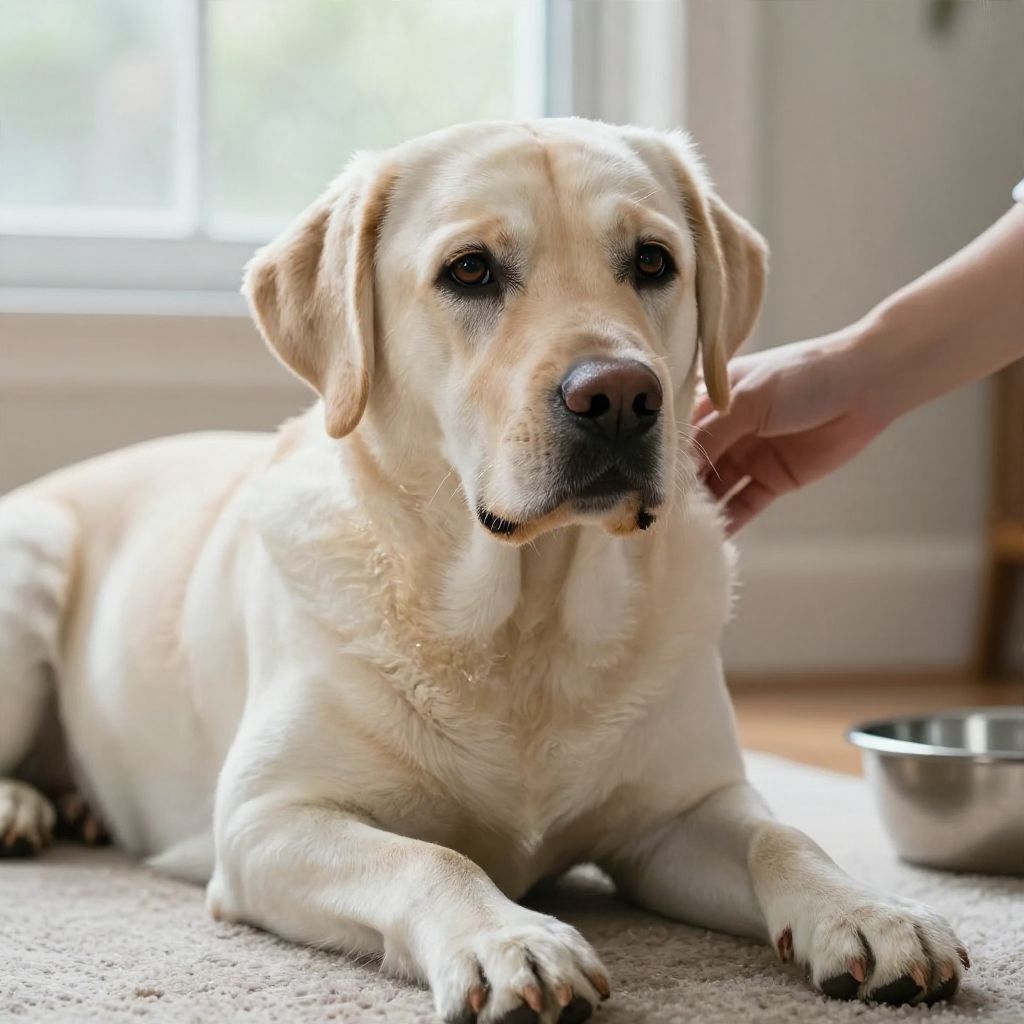
If you’ve noticed wetness around your dog’s eyes, you may wonder, can dogs cry tears like people do? Dogs can produce tears to lubricate and protect their eyes, but they do not usually cry emotional tears the way humans do. Excess tearing can be normal in small amounts, or it can signal an eye problem that needs attention.
The key is to tell normal moisture from unusual tearing, discharge, redness, squinting, or discomfort. If your dog’s eyes look irritated or the tearing is new, one-sided, or heavy, a veterinarian should examine them.
Can dogs cry tears?
Yes, dogs make tears to keep their eyes healthy, but they do not typically cry tears from sadness or other emotions the way humans do. If you see visible wetness, it is usually from normal tear production, irritation, or an eye or tear-duct problem rather than emotional crying.
What dog tears actually do
Tears are part of your dog’s eye defense system. They help keep the surface of the eye moist, wash away debris, and support comfort and vision.
Normal tear production is not a problem on its own. Trouble starts when the eyes make too many tears, cannot drain properly, or produce discharge that suggests inflammation or infection.
Normal tearing vs. concerning tearing
- Normal: a small amount of moisture, especially after sleep, wind, dust, or mild irritation.
- Concerning: constant wetness, tear stains that keep returning, thick discharge, redness, swelling, squinting, or pawing at the face.
- Urgent: sudden eye pain, a cloudy eye, blood, trauma, or your dog keeping the eye closed.
Why dogs may look like they are crying
Dogs can appear to “cry” for several reasons, and not all involve tears. Sometimes the issue is eye drainage; other times it is behavior, discomfort, or a medical condition.
Common eye-related causes
- Dust, pollen, smoke, or shampoo irritation
- Blocked or narrowed tear ducts
- Foreign material in the eye, such as grass or grit
- Conjunctivitis or other eye inflammation
- Corneal scratches or ulcers
- Eyelid or eyelash problems that rub the eye
- Breed-related facial structure that makes drainage less efficient in some dogs
Behavioral sounds that can be mistaken for crying
Whining, whimpering, and vocalizing are emotional or communication signals, not tears. Dogs may whine when they are anxious, excited, lonely, in pain, or asking for attention.
If your dog seems distressed and is also tearing, treat it as a possible health issue first. Pain and eye discomfort can cause both vocalizing and visible eye changes.
When tear stains are harmless and when they are not
Tear stains are the reddish-brown discoloration that can form under the eyes when tears overflow and dry on the coat. They are common in some dogs and are not always a sign of disease, but they should still be monitored.
Occasional staining may be a grooming issue. Persistent staining, especially with odor, skin redness, or discharge, can point to chronic tearing, infection, or poor drainage.
Factors that can affect tear staining
- Facial shape and eye position
- Coat color and hair around the eyes
- Environmental irritation
- Allergies or skin sensitivity
- Underlying eye disease
- Grooming habits and how often the face is cleaned
Warning signs that need veterinary care
Some eye problems can worsen quickly, so it is important not to wait if your dog shows signs of pain or vision trouble. Eye disease can become serious even when the symptoms seem mild at first.
- Squinting or holding one eye closed
- Redness of the white of the eye or eyelids
- Thick yellow, green, or bloody discharge
- Cloudiness, blue haze, or visible change in the eye surface
- Swelling around the eye
- Rubbing the face on furniture or with paws
- Sudden tearing in one eye only
- Light sensitivity
- Unequal pupil size
- Any eye injury, scratch, or chemical exposure
Seek urgent veterinary care if your dog has sudden eye pain, a suspected scratch or puncture, a chemical splash, or a rapidly worsening eye appearance. These can threaten vision.
What you can safely do at home
Home care should be gentle and limited to basic support while you arrange veterinary help if needed. The goal is to reduce irritation without making the problem worse.
- Wipe away mild tears with a clean, soft, damp cloth or sterile gauze.
- Keep hair trimmed away from the eyes if your dog tolerates grooming safely.
- Check for obvious debris only if your dog is calm and the eye is not painful.
- Prevent rubbing by using a cone if a veterinarian has recommended it.
- Monitor whether the tearing is one-sided, constant, or getting worse.
Do not use human eye drops, leftover pet medications, or home remedies unless your veterinarian has told you to. Some products can worsen eye injury or delay proper treatment.
What not to do if your dog is tearing
Because eye problems can be delicate, a few common mistakes can cause harm. Avoid trying to treat the issue as if it were simple “crying” without checking for a medical cause.
- Do not rub the eye or force the eyelids open.
- Do not use soap, alcohol, hydrogen peroxide, or scented wipes near the eye.
- Do not remove embedded debris if it is stuck in the eye.
- Do not wait several days if the eye looks red, cloudy, or painful.
- Do not assume tear stains are only cosmetic if they are paired with discharge or discomfort.
Do some dogs tear up more than others?
Yes, individual dogs vary. Breed, facial shape, age, allergies, and health history can all influence how much tearing you see.
Dogs with shorter muzzles or prominent eyes may be more prone to tear overflow because their eye anatomy can make drainage less efficient. That does not mean every dog of those types will have problems, and any dog can develop eye irritation or infection.
Age and health factors
- Puppies: may get debris in the eyes more easily during play and exploration.
- Adult dogs: may develop allergies, injuries, or tear-duct issues.
- Senior dogs: can be more prone to chronic eye changes and slower healing.
Older dogs may also develop other health concerns that affect behavior or comfort, so new vocalizing or facial discomfort should not be brushed off as “just aging.” If you are also noticing confusion, pacing, or behavior changes, it can be helpful to read about can dogs get dementia?
How veterinarians evaluate excessive tearing
If your dog has persistent tearing, your veterinarian will look for the cause rather than just the symptom. The exam may include checking the eye surface, eyelids, tear drainage, and surrounding skin.
Depending on the findings, your vet may recommend a fluorescein stain to look for scratches, a tear test, or other diagnostics. Treatment depends on the cause and may involve cleaning, medication, managing allergies, or addressing an eyelid or tear-duct problem.
How to reduce mild eye irritation safely
If your dog only has mild, occasional tearing and no red-flag symptoms, simple prevention can help.
- Keep the face clean and dry.
- Trim hair that brushes the eyes, if appropriate for your dog’s coat and temperament.
- Use a harness instead of a collar if neck pressure seems to make face rubbing worse.
- Reduce exposure to smoke, dust, and strong fragrances.
- Watch for seasonal patterns that could suggest allergies.
If tearing keeps returning, don’t keep managing it as a grooming issue alone. Chronic eye drainage deserves a veterinary exam.
When crying-like behavior is not about tears
Sometimes owners ask can dogs cry tears when the real concern is whining, clinginess, or distress. Dogs communicate with their bodies and voices, and emotional discomfort can look very different from tear production.
If your dog is whining, pacing, hiding, or acting restless, look for the cause. Common triggers include pain, fear, separation anxiety, boredom, or a change in routine. Reward-based training, predictable routines, enrichment, and veterinary guidance are the safest ways to help.
Practical takeaway
Dogs do make tears, but they usually do not cry emotional tears like humans. If you notice unusual wetness, discharge, redness, squinting, or eye pain, treat it as a possible medical issue and contact your veterinarian promptly. When in doubt, it is safer to have the eye checked early than to wait.
If you want to keep learning about dog health signs, related topics like eye changes, aging, and sudden behavior shifts can help you spot problems sooner.