
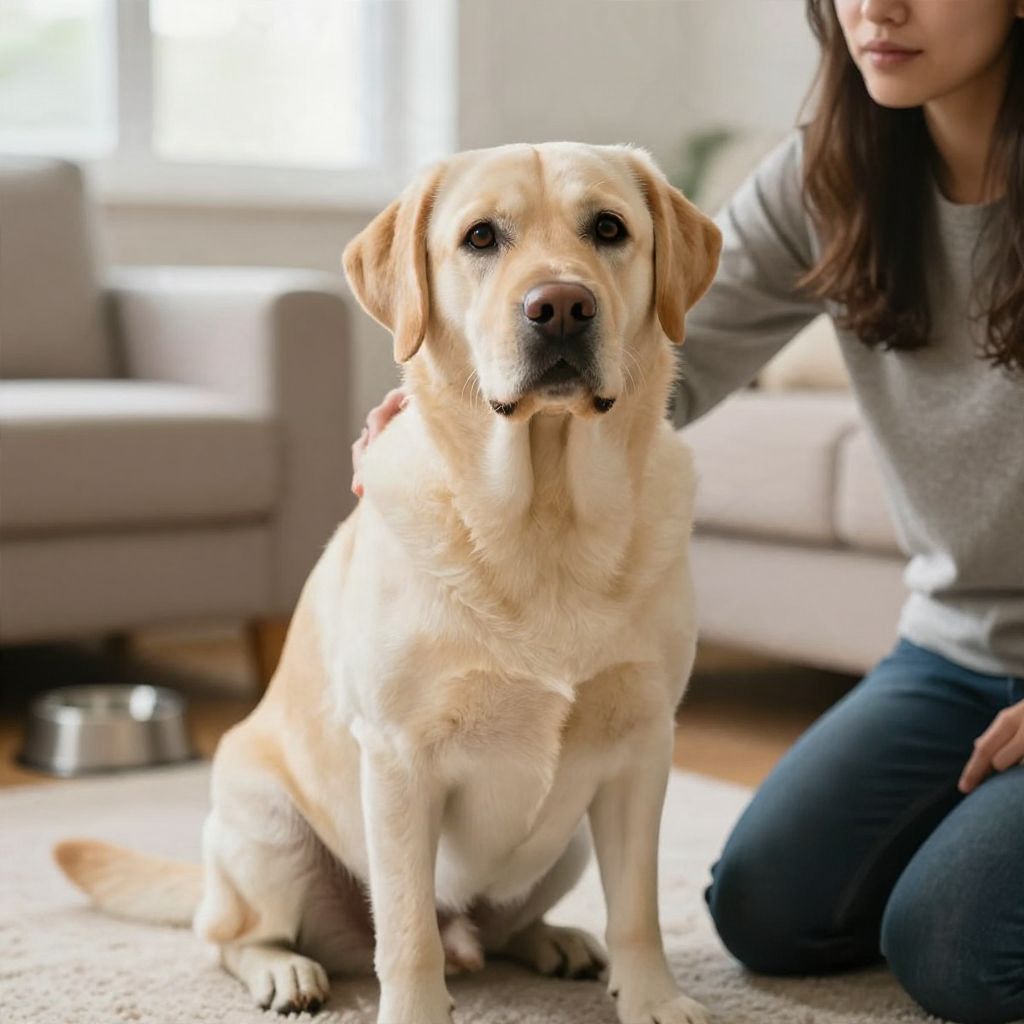
Can dogs get the hiccups? Yes—dogs can hiccup just like people, and it is often harmless. In many cases, hiccups are a brief result of excitement, eating too fast, or swallowing air.
Most episodes fade on their own, but persistent, painful, or unusual hiccups can signal a problem that needs veterinary attention. Knowing the difference helps you respond safely and calmly.
Can dogs get the hiccups?
Yes, dogs can get the hiccups. They happen when the diaphragm spasms, causing a sudden “hic” sound or brief body jerk. Short episodes are usually harmless, especially in puppies, but frequent, long-lasting, or distressing hiccups should be discussed with a veterinarian.
What dog hiccups look like
Dog hiccups are usually easy to spot once you know what to look for. You may hear a small repeated sound, see a quick chest or belly twitch, or notice your dog pausing briefly between breaths.
They can happen while your dog is awake, after play, or after eating. Puppies often get them more than adult dogs because their bodies are still developing and they tend to eat and drink with less coordination.
Common signs of simple hiccups
- Brief, repetitive hiccup sounds
- Small rhythmic spasms in the chest or abdomen
- Your dog otherwise acting normal
- No coughing, gagging, or obvious distress
Why dogs get hiccups
There is no single cause. Hiccups are often linked to things that irritate the diaphragm or make a dog swallow extra air.
- Eating or drinking too quickly
- Excitement or overexertion
- Sudden changes in breathing pattern
- Swallowing air while panting, barking, or playing hard
- Mild stomach upset in some dogs
Some dogs may seem more prone to hiccups than others, but that does not mean there is anything wrong. Individual habits, age, body size, and mealtime routine can all play a role.
Are hiccups normal in puppies?
Puppies get hiccups very commonly, and short episodes are usually normal. Their breathing, swallowing, and nervous system are still maturing, so hiccups can happen more often than in adult dogs.
If your puppy is bright, playful, eating well, and the hiccups stop on their own, they are usually not a concern. Still, if a young puppy seems weak, refuses food, vomits, or has trouble breathing, contact a veterinarian promptly.
What you can do when your dog has hiccups
For a mild episode, the safest approach is usually to stay calm and let it pass. Many dogs recover within a few minutes without any intervention.
- Keep your dog relaxed and quiet.
- Offer a calm break from play or excitement.
- Give small sips of water if your dog wants them.
- Observe whether the hiccups stop on their own.
If hiccups happen after meals, it may help to slow down eating in the future. Use a slow-feeder bowl, puzzle feeder, or smaller meal portions as advised by your veterinarian.
What not to do
- Do not scare or startle your dog to “stop” the hiccups.
- Do not force food, water, or exercise.
- Do not give human medications or home remedies without veterinary guidance.
- Do not ignore repeated episodes that seem to be getting worse.
When hiccups may be a sign of something more serious
Most hiccups are harmless, but some symptoms suggest a problem beyond a normal hiccup episode. In those cases, your dog should be evaluated by a veterinarian.
Call your veterinarian soon if hiccups are:
- Happening frequently or many times a day
- Lasting much longer than usual
- Accompanied by coughing, gagging, vomiting, or retching
- Linked to appetite loss, lethargy, or discomfort
- Starting after a known injury or possible toxin exposure
Seek urgent veterinary care if your dog has hiccups plus:
- Labored breathing or open-mouth distress
- Blue, pale, or gray gums
- Collapse, weakness, or severe lethargy
- Repeated vomiting or a swollen abdomen
- Signs of pain, panic, or inability to settle
These signs are not typical hiccups. They can point to breathing problems, gastrointestinal issues, pain, or other medical emergencies that need prompt care.
How to reduce hiccups in dogs
If your dog gets hiccups often, focus on the likely trigger rather than trying to stop each episode after it starts. Small routine changes can make a difference.
- Feed smaller meals more often if your veterinarian agrees.
- Use a slow feeder if your dog gulps food.
- Limit intense play right before and after meals.
- Keep mealtimes calm and low-stress.
- Make sure your dog is drinking normally, not gulping huge amounts at once.
For dogs that get excited easily, a calmer feeding routine can help. Some dogs do better when they eat in a quiet area away from other pets or distractions.
Can hiccups be confused with other problems?
Yes. Some conditions can look a bit like hiccups, especially if your dog is making odd noises or moving their body in a repetitive way. If you are unsure, it is safer to assume it may be more than hiccups and ask a veterinarian.
Things that can resemble hiccups
- Coughing or reverse sneezing
- Gagging or retching
- Abdominal pain or cramping
- Seizure-like muscle twitching
- Breathing difficulty
Because these problems can look similar at first, video can be very helpful. If the episode happens again, record it and show your veterinarian.
Do certain dogs get hiccups more often?
Any dog can get hiccups, but puppies and some dogs with fast eating habits seem to experience them more often. Body size, excitement level, and individual feeding behavior may all influence how often they happen.
That said, hiccups are not a reliable breed trait. A dog’s age, health, and daily routine matter more than breed alone, so avoid assuming that all dogs of a certain type will behave the same way.
When to ask your vet about repeated hiccups
If your dog’s hiccups are becoming a pattern, a veterinary exam can help rule out underlying causes. Your vet may ask about meal timing, diet, exercise, coughing, vomiting, and any other changes you have noticed.
Bring notes about how long the episodes last, how often they happen, and whether they follow eating, drinking, or play. This information can help your vet decide whether the hiccups are likely normal or part of a larger issue.
Bottom line
Can dogs get the hiccups? Yes, and in most cases they are harmless and short-lived. Keep your dog calm, watch for warning signs, and contact your veterinarian if the episodes are frequent, prolonged, or paired with other symptoms. If you want more puppy-specific guidance, you may also find why puppies get hiccups helpful, and this related guide on can dogs get hiccups may be useful for quick reference.