
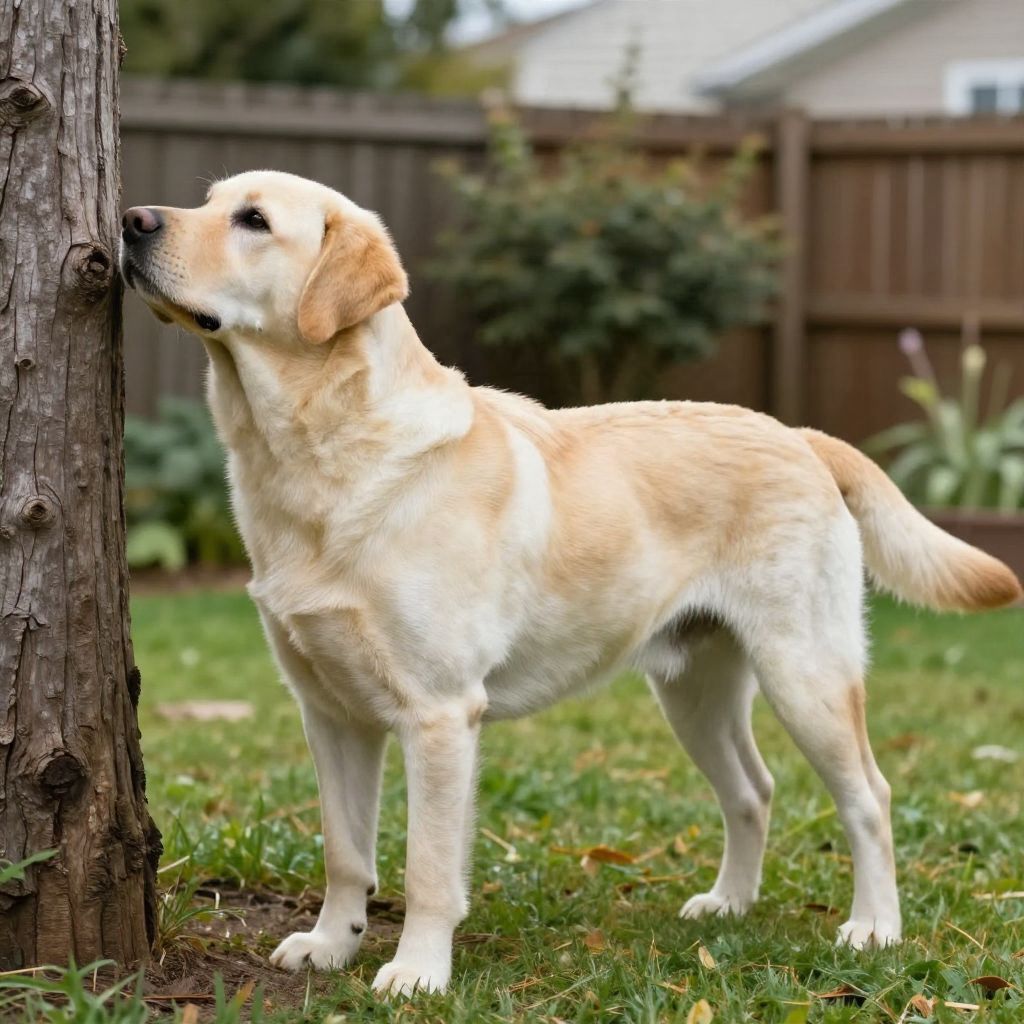
Yes, female dogs can mark their territory. Urine marking is not limited to males, and it can happen in intact or spayed females for social, territorial, medical, or stress-related reasons.
If your female dog is suddenly marking, peeing indoors, or leaving small amounts of urine on vertical surfaces, the cause may be behavioral or medical. Understanding the pattern helps you respond with training, management, and a vet check when needed.
Do female dogs mark their territory?
Yes. Female dogs may mark by releasing small amounts of urine in specific places to communicate, claim space, or respond to stress. Marking is different from a full bladder accident, and it can happen in puppies, adults, and senior dogs, whether they are spayed or not.
What dog marking looks like in females
Marking usually involves a small amount of urine on a target spot, often with repeated visits to the same area. It is more common on vertical surfaces, new objects, or places with strong smells from other animals.
Common signs of marking
- Small urine spots rather than a large puddle
- Frequent sniffing before urinating
- Urinating on walls, furniture, doors, or bags
- Repeated marking in the same location
- Marking during walks, in new homes, or around visiting animals
How marking differs from house-soiling
- Marking is usually a small amount of urine placed intentionally in a spot.
- House-soiling is often a larger accident because the dog could not hold urine, was not fully housetrained, or has a medical issue.
- Submissive urination often happens during greetings, excitement, or nervousness and may include body language such as crouching or rolling over.
Why female dogs mark
There is no single reason. Marking can be normal communication, but it can also signal stress or a health problem. The most likely cause depends on your dog’s age, routine, training history, and whether the behavior is new or longstanding.
Behavioral reasons
- New pets or unfamiliar animals in the home
- Changes in routine, visitors, or moving to a new place
- Competition over space, toys, beds, or attention
- Excitement or anxiety in busy environments
- Unclear housetraining or inconsistent supervision
Hormonal and reproductive influences
Intact female dogs may mark more around heat cycles or in response to nearby dogs. Spaying may reduce marking in some dogs, but it does not guarantee the behavior will stop, especially if marking has become a learned habit or is driven by stress.
Medical causes to rule out
Urinary tract infections, bladder inflammation, bladder stones, hormone-related changes, pain, and age-related incontinence can all look like “marking.” If the behavior is new, frequent, or paired with discomfort, a veterinarian should evaluate it.
When marking is more likely to happen
Certain situations make marking more common. Knowing the pattern can help you prevent it before it becomes a habit.
- After bringing home a new dog or puppy
- When furniture is rearranged or new items arrive
- During boarding, travel, or visits to unfamiliar places
- When the dog is left alone more than usual
- After outdoor encounters with other dogs
- During or after a heat cycle in intact females
How to respond if your female dog is marking
The most effective approach is calm management plus reward-based training. Punishment can increase anxiety and may make marking worse, especially if your dog starts hiding the behavior.
Practical steps that help
- Clean marked areas thoroughly. Use an enzymatic pet cleaner so lingering odor does not invite repeat marking.
- Supervise closely. Watch for sniffing, circling, or heading toward previous target spots.
- Interrupt and redirect gently. If you catch the pre-marking pattern, call your dog over and take her outside.
- Reward outdoor elimination. Praise and treat when she urinates in the right place.
- Limit access temporarily. Use baby gates, closed doors, or a leash indoors if needed.
- Increase potty breaks. More frequent opportunities can reduce accidents and marking pressure.
Training tips that work better than punishment
- Teach a reliable “go potty” cue outdoors.
- Reward calm behavior around triggers like guests or other dogs.
- Practice short, positive sessions in the areas where marking happens most.
- Keep routines predictable when possible, especially for sensitive dogs.
How to prevent marking in the home
Prevention is often easier than trying to stop a well-established habit. A structured routine, good supervision, and reduced access to favorite marking spots can make a big difference.
Home management ideas
- Block access to rooms where marking has happened repeatedly.
- Remove or cover items that attract marking, such as bags, laundry, or guest shoes.
- Keep water intake normal, but avoid sudden changes in routine.
- Provide enough exercise and mental enrichment to lower stress.
- Use a consistent potty schedule, especially for puppies and seniors.
Outdoor management
On walks, allow time for sniffing and bathroom breaks, but keep your dog moving if she repeatedly stops to mark every few steps. For some dogs, too much time around high-traffic dog areas can increase marking behavior.
Does spaying stop female dogs from marking?
Sometimes it helps, but not always. Spaying may reduce hormonally influenced marking, especially if the behavior is connected to heat cycles. However, learned marking, anxiety, and environmental triggers can still remain after surgery.
If your adult female dog is already spayed and has started marking, do not assume it is “just behavioral.” A veterinary exam is still important, particularly if the change is sudden.
When to call the veterinarian
Contact your veterinarian if the marking is new, frequent, or difficult to distinguish from accidents. A medical issue can mimic marking, and treating the wrong problem wastes time and can let discomfort continue.
Red flags that need prompt veterinary care
- Straining to urinate or producing only tiny amounts
- Blood in the urine
- Frequent urination with obvious discomfort
- Accidents paired with increased thirst or lethargy
- Sudden house-soiling in a previously reliable dog
- Dribbling urine, wet bedding, or signs of pain
- Vomiting, weakness, fever, or loss of appetite along with urinary changes
If your dog cannot urinate, seems painful, or has a swollen abdomen, seek urgent veterinary help right away. Urinary blockage is an emergency, even though it is less common in females than in males.
When to get help from a trainer or behavior professional
If your female dog is healthy but still marking despite consistent management, a certified positive-reinforcement trainer or veterinary behaviorist can help. This is especially useful when marking is tied to anxiety, conflict with other pets, or major life changes.
- Choose professionals who use reward-based methods.
- Avoid anyone recommending punishment, intimidation, or shock collars for marking.
- Bring notes about when, where, and how often the marking happens.
Special considerations for puppies, adults, and seniors
Age matters. Puppies may mark while still learning house rules, adults may mark due to social or territorial triggers, and seniors may develop urinary changes from medical conditions or reduced bladder control.
Puppies
Young dogs need frequent potty breaks, close supervision, and simple routines. What looks like marking may actually be incomplete housetraining.
Adult dogs
In adult females, marking is often linked to environment, stress, or social triggers. Look closely at what changed before the behavior started.
Senior dogs
Older dogs should be checked for urinary tract disease, mobility issues, cognitive changes, and incontinence. Senior dogs may need more bathroom opportunities and easier access to outdoor areas.
Common mistakes to avoid
- Scolding after the fact, which does not teach the dog what to do instead
- Using ammonia-based cleaners that can leave an odor similar to urine
- Assuming every accident is “behavioral” without a vet exam
- Waiting too long to manage the environment
- Expecting spaying alone to solve every marking problem
Bottom line
Female dogs can absolutely mark their territory, and the behavior may be normal, stress-related, or caused by a medical issue. The best next step is to observe the pattern, clean thoroughly, increase supervision, and schedule a veterinary visit if the behavior is new or concerning.
If you want to understand related female-dog behavior, you may also find why female dogs hump and why a female dog may smell like fish helpful for sorting out what is normal and when to call the vet.