
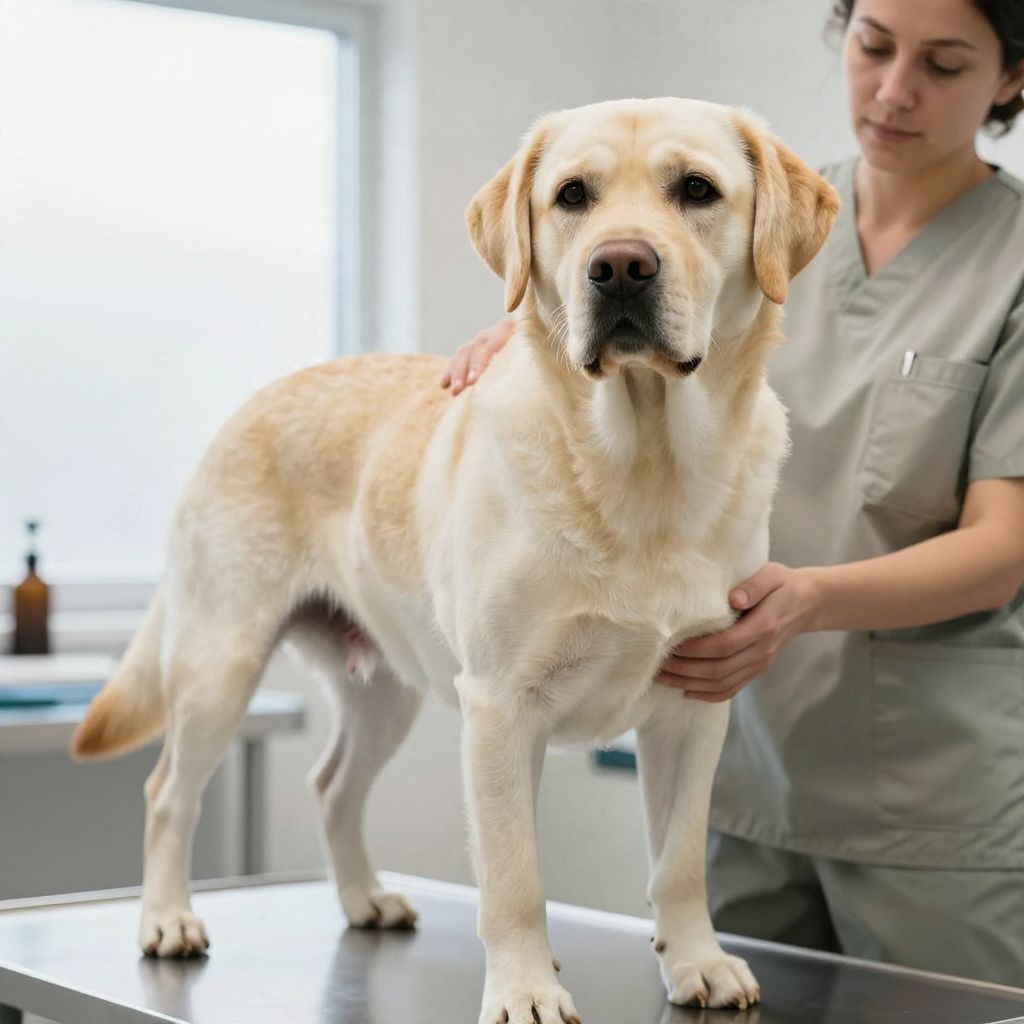
If your female dog smells like fish, the odor is often coming from the rear end, genital area, skin, or mouth rather than from her whole body. Some causes are harmless and temporary, but a strong or persistent fishy smell can also point to a health problem that needs a vet’s attention.
The key is to notice where the smell is strongest, whether your dog is licking, scooting, or having discharge, and whether she seems uncomfortable. That helps you decide if this is a grooming issue, a hygiene problem, or something that should be checked by a veterinarian.
Why does my female dog smell like fish?
A fishy smell in a female dog is commonly linked to anal gland fluid, vaginal discharge, urine leakage, skin infection, or dental disease. If the odor is sudden, strong, or paired with licking, swelling, discharge, pain, or behavior changes, your dog should be examined by a veterinarian.
Where the fishy smell is coming from
Before you can fix the odor, try to pinpoint the source. A fish-like smell can come from several different places, and the location matters.
1. Anal glands
Anal glands can release a very strong, fishy odor. Dogs may express them when frightened, excited, or stressed, but a constant smell can mean the glands are impacted, irritated, or infected.
Common signs include:
- Scooting on the floor
- Excessive licking near the anus
- Difficulty sitting comfortably
- Swelling or redness around the rear end
2. Vaginal discharge or reproductive issues
In intact female dogs, a fishy smell can come from vaginal discharge, irritation, or infection. If your dog is spayed, a vaginal odor can still happen from urinary or skin issues, but reproductive causes are less likely.
Watch for discharge that is yellow, green, bloody, or foul-smelling, especially if it is new or increasing. That is not something to ignore.
3. Urine or urine scald
Urine can have a sharp, ammonia-like odor that sometimes owners describe as fishy. Dogs with urinary accidents, incontinence, or frequent licking around the vulva may smell stronger than usual.
If your dog is straining to urinate, going often in small amounts, or seems painful, contact your vet promptly.
4. Skin, ears, or coat problems
Yeast and bacterial skin infections can create a stale, musty, or sometimes fishy odor. Moist skin folds, dirty bedding, and a damp coat can make the smell worse.
Ear infections can also produce a strong odor that may be mistaken for fish, especially if your dog is shaking her head or scratching her ears.
5. Mouth or dental disease
Bad breath is another possible source. Dental disease, infected gums, or something stuck in the mouth can create an unpleasant smell that some people describe as fishy.
If your dog has drooling, pawing at the mouth, or trouble eating, a dental exam is important.
Common causes by age and life stage
Age can change the most likely cause, though it does not guarantee one problem over another. Your dog’s history, breed, size, and overall health also matter.
Young dogs
In younger dogs, the smell may be related to anal glands, dirty coat, ear infections, or skin irritation. Puppies can also get into messy substances that cling to fur and create a fishy odor.
Adult intact females
In intact females, vaginal discharge, heat cycle changes, or uterine infection are more important possibilities. A strong fishy odor with discharge or lethargy should be treated seriously.
Senior dogs
Older dogs may develop dental disease, skin infections, or urinary incontinence more often. They may also have a harder time grooming themselves, which can allow odor to build up.
When a fishy smell is a red flag
Some odor issues can wait for a routine appointment, but others need faster care. Do not assume the smell is only from grooming if your dog also seems sick.
Call your veterinarian promptly if you notice any of the following:
- Thick, bloody, green, or pus-like discharge
- Vomiting, fever, low energy, or loss of appetite
- Swollen abdomen or obvious pain
- Straining to urinate or defecate
- Repeated licking of the vulva or rear end
- Sudden strong odor that does not improve after bathing
Seek urgent veterinary care if your dog is weak, collapsing, having trouble breathing, unable to urinate, or has a distended painful belly. Those signs can indicate a serious emergency.
What you can safely check at home
You can do a few simple checks without trying to treat the problem yourself. Keep the process calm and gentle.
- Look at the rear end and vulva for redness, swelling, or discharge.
- Check the coat for mats, dampness, or skin irritation.
- Smell the ears and mouth to see if the odor is coming from there.
- Notice whether your dog is scooting, licking, or straining.
- Observe appetite, energy, urination, and bowel movements.
If your dog resists handling or seems painful, stop and call your vet. Forcing the issue can make discomfort worse.
How veterinarians usually investigate the smell
A veterinarian will try to find the source rather than just masking the odor. The exam may include checking the anal glands, skin, ears, mouth, vulva, and urine.
Depending on the signs, your vet may recommend:
- Anal gland evaluation
- Skin or ear cytology
- Urinalysis
- Oral exam and dental assessment
- Testing for infection or inflammation
This is especially important if the smell keeps returning. Repeated odor often means the underlying problem was never fully addressed.
Helpful care steps that may reduce odor
Once a serious medical issue is ruled out, better hygiene can help keep your dog more comfortable and reduce recurring smells.
Keep the coat clean and dry
Regular brushing helps remove dirt, loose hair, and trapped moisture. If your dog gets damp often, dry her thoroughly after baths, rain, or swimming.
Use routine grooming
Some dogs need more grooming than others because of coat type, skin folds, or activity level. A groomer can help with sanitary trimming, but grooming should not replace veterinary care if there is discharge or infection.
Support dental care
Brushing your dog’s teeth with dog-safe products, if she tolerates it, can help reduce mouth odor over time. Dental chews may help some dogs, but they are not a cure for dental disease.
Keep bedding and living areas clean
Wash bedding regularly and clean areas where your dog rests. Lingering odor can come from fabric, carpets, or crates, especially if there has been urine leakage or discharge.
What not to do
It is easy to try quick fixes, but some approaches can make the problem worse or delay proper treatment.
- Do not put human creams, sprays, or perfumes on the area without veterinary guidance.
- Do not squeeze anal glands yourself unless a vet has taught you how and says it is appropriate.
- Do not use harsh cleaners on irritated skin or genitals.
- Do not ignore recurring odor just because your dog seems otherwise normal.
Masking the smell does not solve the cause. If the odor is truly fishy and persistent, your dog needs a real diagnosis.
How to tell whether it is an emergency or a routine visit
Use the intensity of the smell and your dog’s other symptoms to guide your next step.
- Routine appointment: mild odor with no other symptoms, especially if it improves after cleaning and does not return.
- Prompt vet visit: recurring fishy smell, scooting, licking, or mild discharge.
- Urgent visit: foul discharge, pain, lethargy, fever, vomiting, swelling, or trouble urinating.
Bottom line
A fishy smell in a female dog is usually a clue, not a normal trait. The odor often comes from anal glands, vaginal discharge, urine, skin, ears, or teeth, and the right response depends on the source and any other symptoms.
If the smell is new, strong, or paired with discharge, pain, scooting, or behavior changes, schedule a veterinary exam soon. If you want more help comparing possible causes, see how to get rid of fishy smell from a female dog and why a dog’s breath smells like fish.