
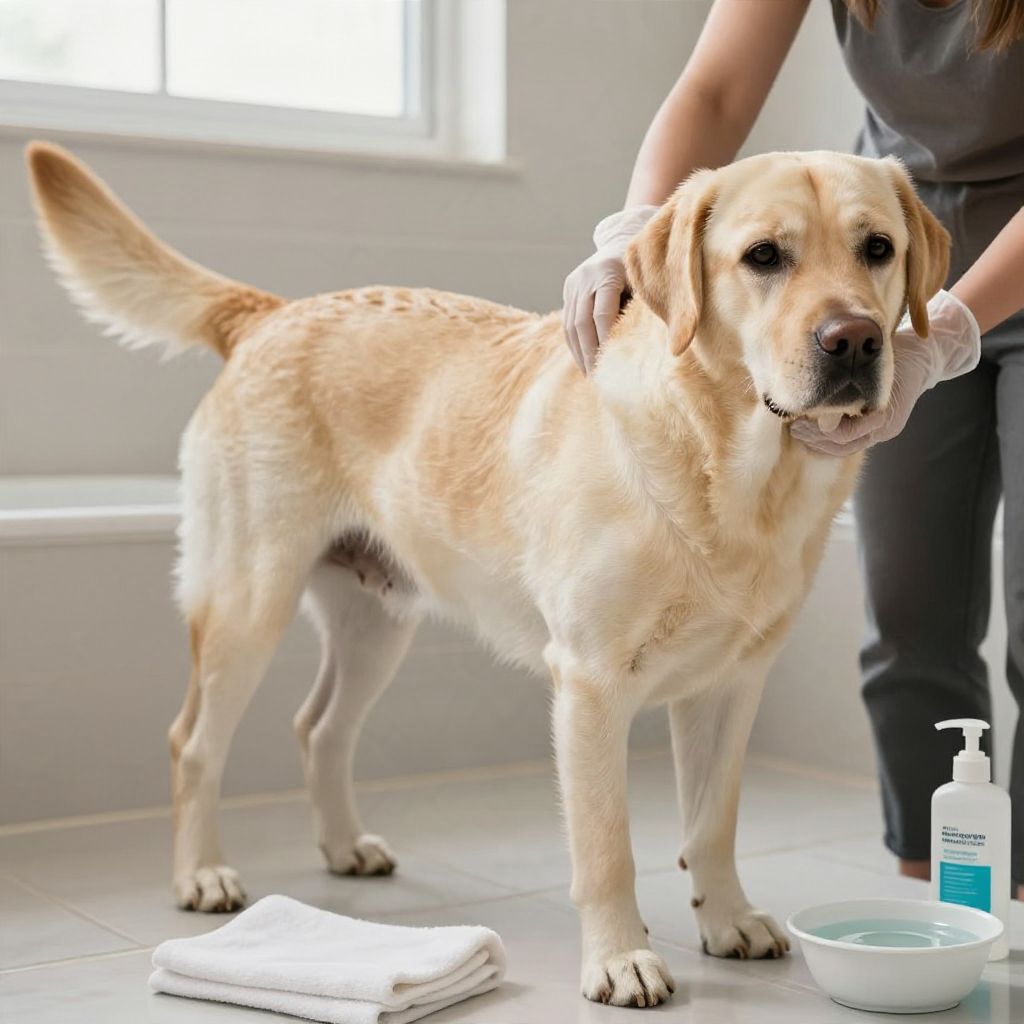
If your female dog smells fishy, the odor is often coming from the vulva, skin, ears, or anal glands rather than her coat alone. The right fix depends on the source, and some causes need a veterinarian.
You can start with a careful check at home, but a strong fishy smell, discharge, itching, pain, or licking usually means it is time to call your vet. Quick cleanup helps, but it should not replace finding the underlying problem.
How To Get Rid Of Fishy Smell From Female Dog?
To get rid of a fishy smell from a female dog, first identify where the odor is coming from, then clean the area gently and watch for signs of infection, discharge, or irritation. If the smell is strong, persistent, or paired with licking, redness, or urinary changes, a veterinarian should examine her.
Find the Source Before You Try to Fix It
A fishy odor is not a diagnosis. It can come from the genital area, anal glands, skin folds, ears, or even a urinary issue, and the treatment depends on the cause.
Common places to check
- Vulva: A fishy smell here may be linked to vaginal discharge, irritation, or infection.
- Rear end: Anal gland fluid can smell very strong and fish-like.
- Skin and coat: Yeast or bacterial skin problems can create a sour or fishy odor.
- Ears: Ear infections sometimes smell unpleasant and may be mistaken for a body odor.
- Urine area: Urinary tract issues can cause odor and frequent licking.
Step-by-Step: What You Can Do at Home
These steps are for mild odor without obvious illness. If your dog seems uncomfortable, skip home treatment and contact a vet.
- Look for discharge or redness. Check the vulva, groin, and rear for swelling, moisture, crusting, or unusual fluid.
- Gently clean the area. Use lukewarm water and a soft cloth to wipe away dirt or discharge. Dry the area well afterward.
- Check for matting or trapped moisture. Long-haired dogs may hold odor in fur around the hind end, especially after bathroom trips.
- Wash bedding and blankets. Odor can linger on fabric and make the dog seem smellier than she is.
- Monitor licking. Frequent licking can worsen irritation and spread bacteria or yeast.
- Note any changes. Track appetite, urination, stool, energy level, and whether the smell returns after cleaning.
What not to do
- Do not use scented sprays, perfumes, or essential oils on your dog.
- Do not put human creams, wipes, or medications on the vulva unless your vet says to.
- Do not squeeze anal glands yourself unless you have been trained by a veterinarian or groomer.
- Do not assume bathing alone will solve a medical problem.
When a Fishy Smell Means a Vet Visit
Some causes of fishy odor are minor, but others need prompt treatment. A veterinary exam is the safest way to rule out infection, inflammation, or urinary disease.
Call your vet soon if you notice
- Persistent fishy odor that returns after cleaning
- Vaginal discharge, especially if yellow, green, bloody, or thick
- Redness, swelling, or pain around the vulva
- Frequent licking or scooting
- Straining to urinate or frequent small urinations
- Bad-smelling ears, head shaking, or scratching
- Hair loss, skin redness, or greasy coat patches
Get urgent veterinary care now if she has
- Lethargy, fever, vomiting, or not eating
- Bloated abdomen or obvious abdominal pain
- Heavy bleeding or large amounts of discharge
- Difficulty urinating or inability to urinate
- Collapse, weakness, or rapid worsening symptoms
Possible Causes of a Fishy Smell in Female Dogs
Several different conditions can create a fish-like odor, and some are more common in certain life stages or body types. A young intact female, a senior dog, and a spayed dog can all have different likely causes.
1. Anal gland leakage or impaction
Anal gland fluid has a very strong, fishy smell. Some dogs leak a small amount when stressed, excited, or after bowel movements, while others develop impaction or infection.
You may notice scooting, licking under the tail, or a sudden foul smell on bedding or furniture. If this keeps happening, your vet can check whether the glands need treatment.
2. Vaginal infection or inflammation
Discharge from the vulva can smell fishy, especially if there is infection or irritation. Puppies, intact females, and older dogs may all develop vaginal issues, but the causes can differ.
Never ignore discharge that is colored, thick, bloody, or accompanied by discomfort. Some vaginal conditions are minor, but others need medical care quickly.
3. Urinary tract problems
Urine odor can sometimes seem fishy, especially if the dog is licking herself often or having accidents. Urinary tract infections, bladder inflammation, or other urinary issues can cause this pattern.
If your dog is straining, urinating more often, or seems uncomfortable, a urine test from your vet is the right next step.
4. Skin or yeast overgrowth
Moist skin folds, dirty fur, and allergies can lead to yeast or bacterial overgrowth. These problems may smell sour, musty, or fishy depending on where they are located.
Dogs with skin folds, long coats, or allergies may need more regular grooming and targeted treatment, but the exact plan depends on the cause.
5. Ear infection
Although it may not seem related, ear infections can produce a strong odor that you notice when your dog shakes or scratches. The smell may travel and be mistaken for a body odor.
If the ears are red, dirty, painful, or smelly, a vet should examine them rather than you trying to clean deeply at home.
How Grooming Can Help Without Hiding the Problem
Good grooming can reduce odor, but it should support health care rather than replace it. The goal is to keep the area clean and dry while you monitor for signs of disease.
- Trim or brush fur around the rear if it traps moisture or stool.
- Dry your dog thoroughly after bathing or getting wet.
- Use a gentle dog shampoo only when needed, and rinse well.
- Keep bedding clean, especially if your dog is leaking discharge or urine.
- Check the vulva and rear during routine grooming so you notice changes early.
Diet, Hydration, and Bathroom Habits
Food does not usually cause a true fishy odor by itself, but hydration, digestion, and stool quality can affect cleanliness and smell. A dog with soft stools or frequent accidents may become odorier around the rear.
Make sure your dog has fresh water, regular bathroom breaks, and a balanced diet appropriate for her age and health. If stool changes, vomiting, or appetite loss happen along with the smell, tell your vet.
Age and Reproductive Status Can Matter
The most likely cause of a fishy smell can vary with age and whether your dog is spayed. That is why a one-size-fits-all answer is not reliable.
Puppies
Puppies can have accidental soiling, immature hygiene habits, or vaginal irritation. Because they are still developing, it is best to have a vet check any persistent odor or discharge.
Intact adult females
Unspayed dogs may have hormone-related discharge or reproductive tract problems that need prompt attention. If the smell appears around heat cycles or is paired with illness, do not delay a vet visit.
Spayed adult females
Spayed dogs can still get anal gland, skin, ear, or urinary problems. Spaying lowers some reproductive risks, but it does not eliminate all causes of odor.
Senior dogs
Older dogs may have reduced grooming ability, mobility issues, or chronic skin and urinary problems. If your senior dog smells fishy, a full veterinary exam is especially important.
Common Mistakes to Avoid
- Assuming the smell is “just dirty fur” when it may be discharge or infection.
- Bathing repeatedly without checking for a medical cause.
- Using harsh cleaners that irritate sensitive skin.
- Waiting too long when licking, redness, or discharge is present.
- Trying to express anal glands at home without guidance.
What Your Vet May Do
If the odor does not clear up quickly, your vet may examine the vulva, skin, ears, and anal glands and may recommend urine testing or a swab of the area. This helps identify whether the problem is infection, inflammation, or another issue.
Treatment depends on the cause and may include professional cleaning, prescription medication, or follow-up care. The right treatment is specific to the diagnosis, so avoid guessing or borrowing remedies from another dog.
Bottom Line
To get rid of a fishy smell from a female dog, clean her gently, check where the odor is coming from, and watch closely for discharge, licking, or discomfort. If the smell persists or comes with other symptoms, schedule a veterinary exam promptly.
If you want to learn more about related odor problems, you may also find why your dog’s breath smells bad and why dogs lick their privates helpful.