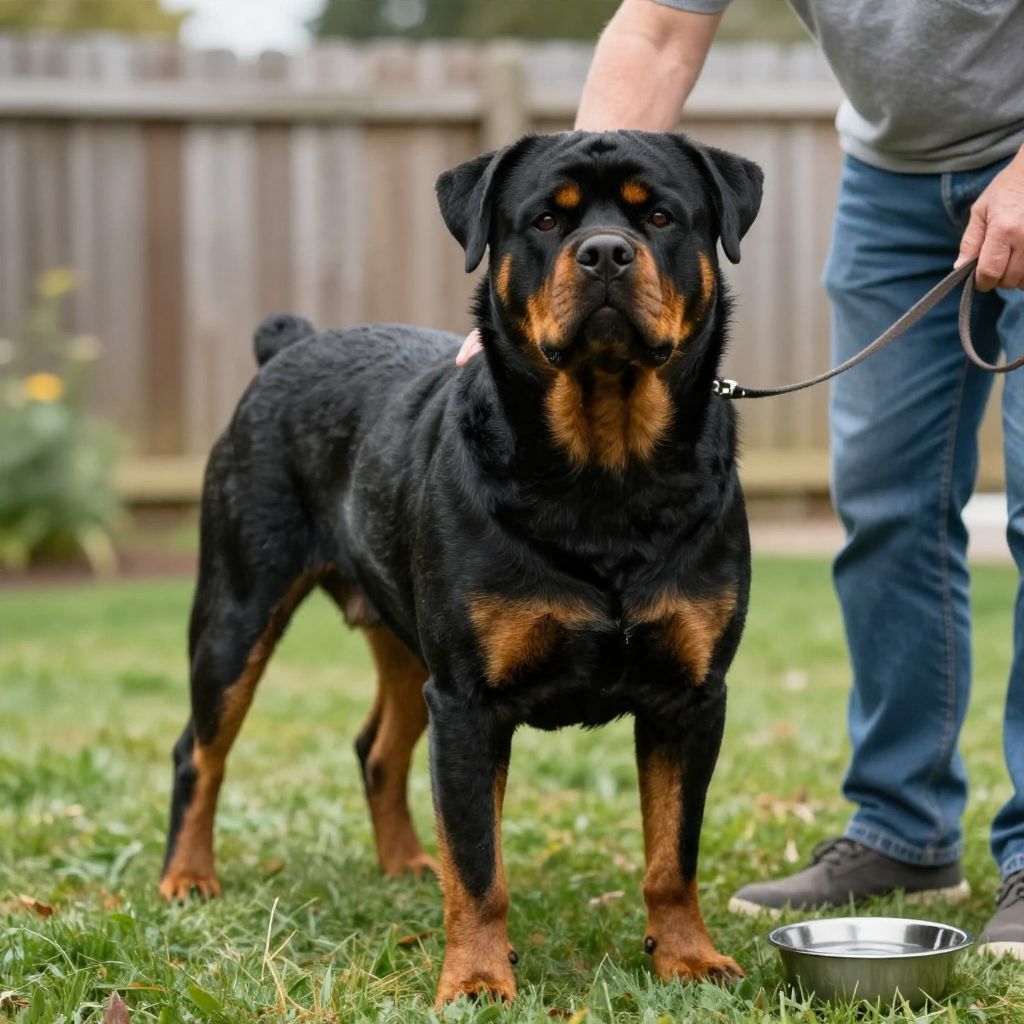
How long do Rottweilers live? Most live about 8 to 10 years, though some may live longer with good genetics, preventive veterinary care, and a healthy lifestyle. Individual lifespan can vary a lot based on size, weight, activity level, and inherited health risks.
If you share your life with a Rottweiler, the best way to support a longer, healthier life is to focus on weight control, regular exercise, routine vet visits, and early attention to joint, heart, and cancer concerns. Knowing what to expect at each life stage helps you plan care wisely.
How long do Rottweilers live?
Rottweilers commonly live around 8 to 10 years, but some live longer when they stay lean, active, and medically well cared for. Their lifespan is influenced by genetics, body condition, preventive care, and whether age-related diseases are caught early. There is no guarantee, but good care can improve quality of life.
What affects a Rottweiler’s lifespan?
Several factors can shorten or extend a Rottweiler’s life. Some are outside your control, such as inherited disease risk, while others are strongly influenced by daily care.
- Genetics: Some lines may be more prone to certain cancers, orthopedic disease, or heart problems.
- Body weight: Extra weight puts stress on joints, heart, and metabolism.
- Exercise: Regular, appropriate activity supports muscle tone, mobility, and mental health.
- Nutrition: A complete, balanced diet helps maintain healthy body condition and organ function.
- Preventive care: Vaccines, parasite control, dental care, and routine exams can catch problems early.
- Spay/neuter timing: This can affect some health risks, so discuss the best timing with your veterinarian.
Common health issues that can affect Rottweilers
Not every Rottweiler will develop these problems, but they are important to watch for because early treatment can improve comfort and sometimes extend lifespan.
Joint and mobility problems
Large, muscular dogs can be prone to hip and elbow disease, arthritis, and cruciate ligament injuries. You may notice stiffness, difficulty rising, reluctance to climb stairs, or a shorter stride.
Heart disease
Some Rottweilers can develop heart conditions as they age. Signs may include reduced stamina, coughing, fainting, fast breathing at rest, or weakness. These signs deserve veterinary evaluation.
Cancer
Cancer is a major health concern in many large breeds. Lumps, unexplained weight loss, swelling, persistent lameness, or decreased appetite should never be ignored.
Bloat and stomach twisting
Deep-chested dogs can be at risk for gastric dilatation-volvulus, a life-threatening emergency. A swollen abdomen, retching without producing vomit, drooling, restlessness, and distress require immediate emergency veterinary care.
Other age-related concerns
Older Rottweilers may also face dental disease, kidney or liver changes, vision decline, and hearing loss. These are often manageable when found early.
Rottweiler life stages: what to expect over time
Puppy to young adult
During the first year or two, growth is rapid and joint protection matters. Avoid overexercising young dogs, and do not push repeated jumping, long runs, or high-impact activity before your veterinarian says it is appropriate.
Focus on:
- Controlled exercise and play
- Positive socialization with people, dogs, sounds, and handling
- Basic training and impulse control
- Preventing excess weight gain during growth
Adult years
Adult Rottweilers often do best with consistent routines, daily activity, and regular body-condition checks. This is the stage where prevention matters most, because subtle weight gain and untreated minor injuries can become long-term problems.
Watch for changes in:
- Energy level
- Appetite
- Stiffness after rest
- Exercise tolerance
- Behavior around stairs, jumping, or getting into the car
Senior years
Many Rottweilers are considered seniors by about age 6 to 8, though this varies by individual. Senior dogs often need more frequent vet checks, softer exercise, and adjustments to diet, bedding, and home setup.
Helpful senior-care changes include:
- More frequent veterinary exams
- Non-slip flooring and easy access to resting areas
- Shorter, more frequent walks
- Weight monitoring every few weeks
- Prompt attention to pain, stiffness, or confusion
How to help your Rottweiler live longer
You cannot control every risk, but you can improve the odds of a longer, more comfortable life with steady, practical care.
- Keep your dog lean. You should be able to feel the ribs easily without pressing hard, and your dog should have a visible waist.
- Feed a complete, balanced diet. Choose food appropriate for age and life stage, and avoid overfeeding treats and table scraps.
- Provide regular exercise. Aim for daily movement that suits your dog’s age, joints, and fitness level.
- Schedule routine veterinary care. Annual or semiannual exams help detect disease before it becomes advanced.
- Protect joints early. Use ramps, manage stairs, and avoid repeated high-impact activities if your dog has mobility issues.
- Maintain dental health. Oral disease can affect comfort and overall health, so ask your vet about home care and cleanings.
- Track changes. Keep notes on appetite, weight, energy, and mobility so you can spot trends early.
Nutrition and weight: why they matter so much
For Rottweilers, staying at a healthy weight is one of the most important things you can do. Extra pounds can worsen arthritis, increase strain on the heart, and make exercise harder, which can create a cycle of declining fitness.
Good feeding habits include:
- Measuring meals instead of free-feeding
- Limiting high-calorie treats
- Using training treats sparingly and counting them as part of daily intake
- Adjusting portions if activity level changes
- Asking your veterinarian if your dog needs a weight-management plan
If your Rottweiler is losing weight unexpectedly, eating less, or drinking more than usual, that is not just a “normal aging” change. It should be checked by a veterinarian.
Exercise, training, and mental enrichment
Rottweilers are typically strong, intelligent dogs that benefit from structure and purpose, but individual temperament varies. Some are energetic and eager to work, while others are calmer. Either way, regular exercise and training support both behavior and health.
Safe exercise ideas
- Leashed walks
- Sniffing games
- Fetch with controlled stopping and starting
- Food puzzles
- Basic obedience practice
- Low-impact strength and balance work, if cleared by your vet
Training that supports longevity
Reward-based training helps you manage a large, powerful dog safely without fear or force. Reliable recall, loose-leash walking, and calm settling skills make it easier to keep your dog active and safe throughout life.
Good manners also reduce injury risk. A dog that does not bolt, jump, or pull hard is less likely to strain joints or get into dangerous situations.
Warning signs that need a vet visit
Some changes are mild and some are urgent. If you are unsure, it is safer to call your veterinarian and describe what you are seeing.
Make an appointment soon if you notice:
- Stiffness that lasts more than a day or two
- New limping or reluctance to move
- Persistent coughing
- Decreased appetite
- Unexplained weight loss or gain
- New lumps or swelling
- Increased thirst or urination
- Behavior changes such as withdrawal, irritability, or confusion
Seek urgent emergency care immediately for a swollen abdomen, repeated unproductive retching, collapse, trouble breathing, seizures, pale gums, severe bleeding, or sudden inability to stand.
What to expect as your Rottweiler ages
As your dog gets older, you may see slower movement, more sleep, and less tolerance for long or intense activity. That does not always mean poor quality of life. Many senior Rottweilers stay happy when their routines are adjusted to match their changing bodies.
Helpful adjustments include:
- Shorter walks more often instead of one long outing
- Orthopedic bedding
- Raised food and water bowls if recommended by your vet
- Careful help getting into vehicles
- Regular pain assessments with your veterinarian
If your senior dog seems uncomfortable, ask about arthritis management, mobility support, and whether bloodwork or other screening is appropriate.
The bottom line
How long do Rottweilers live? Most live about 8 to 10 years, but thoughtful care can make a real difference in both lifespan and quality of life. Keep your dog lean, active, and closely monitored, and work with your veterinarian early if you notice pain, breathing changes, lumps, or sudden behavior shifts.
If you want to keep learning about age-appropriate care, ask your veterinarian for a senior wellness plan and look for more guidance on dog health and dog nutrition.