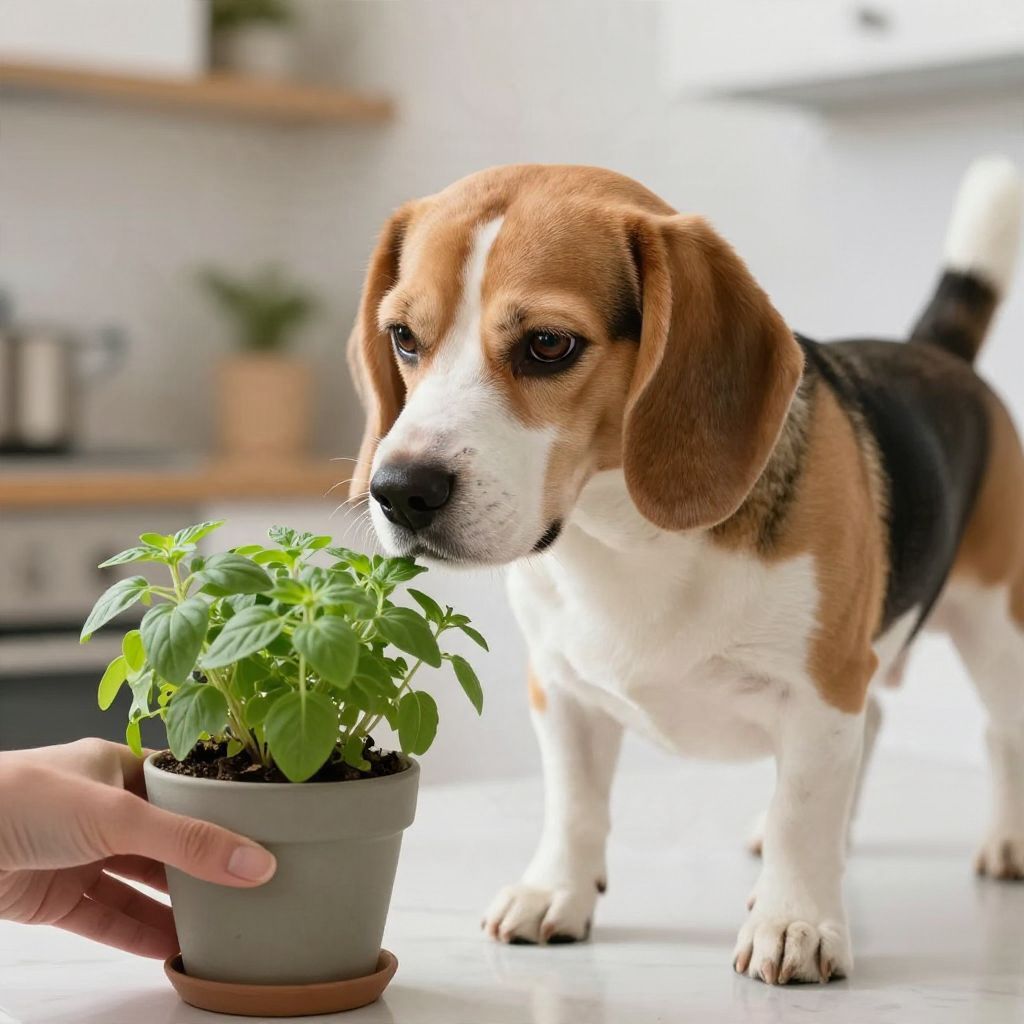
Can dogs eat oregano? In small amounts, plain oregano is usually not considered toxic to dogs, but that does not mean it is a good snack. The main concerns are stomach upset, choking on fresh stems, and added ingredients in seasoned foods.
If your dog ate a little oregano, they will often be fine. If they ate a large amount, a concentrated product, or anything mixed with onion, garlic, salt, or oil, it is smart to watch closely and call your veterinarian for advice.
Can dogs eat oregano?
Yes, dogs can usually eat a small amount of plain oregano without harm, but it should be treated as an occasional herb, not a regular treat. Fresh or dried oregano in tiny amounts is generally low risk, while large amounts, essential oils, and seasoned human foods can cause problems.
Is oregano safe for dogs in food?
Plain oregano sprinkled lightly on dog-safe food is usually not dangerous for most healthy dogs. The risk rises when oregano is part of a recipe with ingredients dogs should not eat, or when your dog has a sensitive stomach, a medical condition, or a history of food intolerance.
Forms of oregano and how they differ
- Fresh oregano: Usually safe in very small amounts, but the stems can be a choking or irritation risk.
- Dried oregano: Also usually safe in small amounts, though it is more concentrated than fresh leaves.
- Oregano oil or essential oil: Not the same as the herb and can be much more irritating or dangerous if swallowed or applied incorrectly.
- Seasoned human foods: Often unsafe because they may contain onion, garlic, excess salt, butter, or other ingredients dogs should avoid.
What are the risks of oregano for dogs?
The most common issue is digestive upset. Some dogs tolerate a little oregano well, while others may develop vomiting, diarrhea, drooling, or reduced appetite after eating more than a small amount.
Possible problems to watch for
- Stomach upset
- Loose stool or diarrhea
- Vomiting
- Drooling or lip-smacking
- Gagging or coughing from plant material
- Pawing at the mouth after chewing stems or leaves
These signs are often mild, but they matter more in puppies, toy breeds, older dogs, and dogs with sensitive digestion or chronic illness. A small dog may react more strongly than a larger dog simply because the same amount is a bigger relative dose.
Why oregano essential oil is different
Oregano essential oil is highly concentrated and can irritate the mouth, stomach, and skin. Do not give it to your dog by mouth, and do not use it on your dog unless your veterinarian specifically recommends a product and instructions for your pet.
If your dog licked, swallowed, or had oil applied to the skin and then showed drooling, tremors, weakness, vomiting, trouble walking, or breathing changes, contact a veterinarian or emergency clinic right away.
How much oregano can dogs eat?
There is no universal “safe” amount for every dog, because tolerance depends on body size, health, and the rest of the meal. In general, a tiny sprinkle of plain oregano on food is far less concerning than a large spoonful, a handful of fresh leaves, or any concentrated product.
A practical rule is to keep oregano as an occasional garnish, not a treat bowl ingredient. If you are adding herbs to homemade dog food, ask your veterinarian or a board-certified veterinary nutritionist to make sure the whole diet stays balanced.
Factors that change risk
- Dog size: Smaller dogs may be affected by smaller amounts.
- Age: Puppies and senior dogs may be more sensitive to stomach upset.
- Health status: Dogs with pancreatitis, liver disease, kidney disease, or GI sensitivity may need stricter limits.
- Form of oregano: Fresh leaves, dried herb, and oil are not equally safe.
- What it was mixed with: Garlic, onion, heavy fats, and salt create additional risk.
What if my dog ate oregano by accident?
If your dog ate a small amount of plain oregano, monitor them and keep fresh water available. Many dogs will have no symptoms at all, but some may develop mild stomach upset within several hours.
- Check what type of oregano was eaten: fresh, dried, oil, or seasoned food.
- Estimate how much was eaten and whether any harmful ingredients were included.
- Watch for vomiting, diarrhea, drooling, lethargy, or abdominal discomfort.
- Call your veterinarian if your dog is small, has health issues, or ate a larger amount.
Do not try home remedies or induce vomiting unless a veterinarian specifically tells you to do so. That advice is especially important if the oregano was in oil, a cooked dish, or a product with unknown ingredients.
Red-flag symptoms that need urgent veterinary care
- Repeated vomiting
- Bloody diarrhea
- Severe lethargy or collapse
- Tremors, shaking, or seizures
- Difficulty breathing
- Swollen face, hives, or signs of an allergic reaction
- Signs of pain, bloated abdomen, or inability to settle
Can puppies eat oregano?
Puppies can be more sensitive than adult dogs because their digestive systems are still developing and their body size is smaller. A tiny amount of plain oregano is unlikely to be a major issue for many puppies, but it is still best to keep their diet simple and puppy-appropriate.
Because puppies can become dehydrated more quickly if vomiting or diarrhea occurs, call your vet sooner if a puppy eats a large amount of oregano or any seasoned food. This is especially important if your puppy is very young, not fully vaccinated, or already has an upset stomach.
Can dogs eat oregano on pizza, pasta, or cooked meat?
The oregano itself is usually not the main concern. The problem is the rest of the food, which may include garlic, onion, cheese, butter, salt, spicy sauces, or fatty meat that can upset your dog’s stomach or be harmful.
- Pizza: Often unsafe because of cheese, grease, garlic, onion, and high salt.
- Pasta sauce: Frequently contains onion or garlic, which are not safe for dogs.
- Seasoned meat: May be too fatty, salty, or heavily seasoned.
If your dog stole a bite of plain meat with a little oregano, that may be less concerning than a greasy, heavily seasoned dish. Still, any food with questionable ingredients deserves caution.
How to feed oregano to dogs more safely
If you want to offer oregano, keep it plain, minimal, and infrequent. The goal is not to “supplement” your dog’s diet with herbs, but to avoid unnecessary risk while making a safe choice.
- Use only a tiny amount of fresh or dried herb.
- Avoid oregano oil, extracts, and concentrated supplements unless a veterinarian directs you otherwise.
- Never mix oregano with onion, garlic, salt, butter, or spicy seasonings.
- Introduce any new food slowly and watch for digestive upset.
- Stop offering it if your dog has vomiting, gas, diarrhea, or itching after eating it.
For many dogs, the safest choice is simply to skip oregano and stick with a complete, balanced dog food plus veterinarian-approved treats.
When should you call the vet?
Call your veterinarian if your dog ate a large amount of oregano, ate oregano essential oil, or ate a dish that may contain toxic ingredients. You should also call if your dog has ongoing vomiting or diarrhea, seems painful, or has any underlying health condition that could make stomach upset more serious.
Urgent care is warranted if your dog has trouble breathing, tremors, collapse, repeated vomiting, or any severe reaction. If you are unsure what was eaten, it is safer to ask than to wait and hope.
The bottom line on dogs and oregano
Can dogs eat oregano? Usually, yes, in very small amounts and only when it is plain. But oregano is not a necessary part of a dog’s diet, and concentrated forms or seasoned foods can be risky. When in doubt, keep it simple and contact your vet if your dog ate more than a taste.
If you want to compare oregano with other herbs and plants, you may also find it helpful to read about can dogs eat arugula and whether lavender is toxic to dogs.