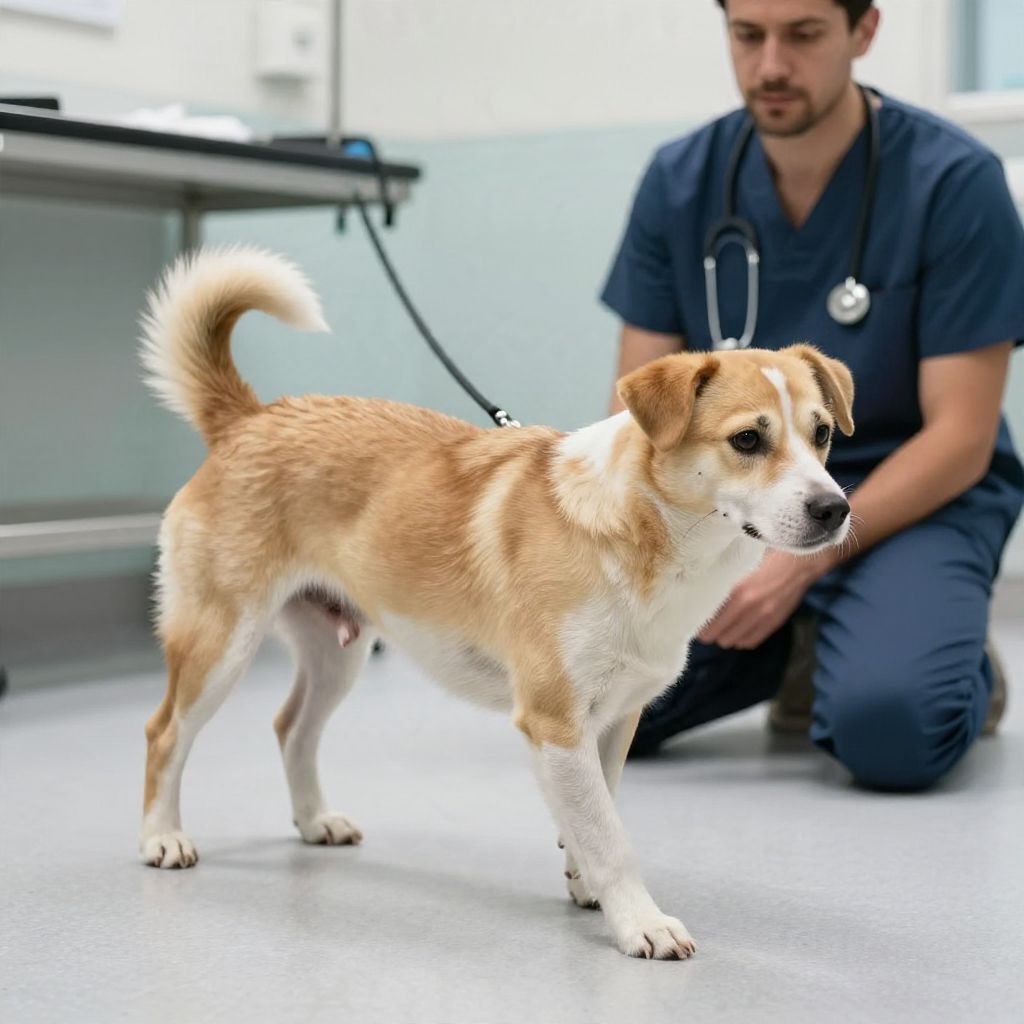
Why do dogs drag their butts? Scooting is usually a sign that something is irritating your dog’s rear end, such as full anal glands, itching, diarrhea, parasites, or skin irritation. It is not normal if it happens repeatedly, and it deserves attention rather than guessing.
Some cases are minor and temporary, but others need a veterinarian to check for pain, infection, or a blockage. The right next step depends on how often it happens and whether you notice other symptoms.
Why do dogs drag their butts?
Dogs drag their butts, or “scoot,” because the area around the anus feels itchy, uncomfortable, or painful. Common causes include full or irritated anal glands, worms, loose stool, allergies, matted fur, skin infection, or something stuck in the coat. Repeated scooting should be checked by a veterinarian.
Common causes of butt dragging
1. Anal gland problems
Anal glands are small scent glands near the anus. When they do not empty normally, they can become full, irritated, or infected, which may cause scooting, licking, or a strong fishy smell.
Some dogs are more prone to anal gland issues than others, but any dog can develop them. Small body size, soft stool, obesity, and chronic skin irritation can make problems more likely in some dogs.
2. Parasites
Intestinal parasites, especially tapeworms, can cause itching around the rear end. You may also see rice-like segments near the anus or in the bedding, though not every parasite is visible to the naked eye.
Puppies and dogs that spend time around contaminated environments may be at higher risk, but adult dogs can get parasites too. A fecal test from your veterinarian is the safest way to confirm what is going on.
3. Diarrhea or soft stool
Loose stool can leave the area dirty and irritated, and it can also prevent the anal glands from emptying properly. Even one episode of diarrhea can lead to temporary scooting.
If your dog has ongoing digestive upset, the scooting may be a symptom of a larger issue such as dietary intolerance, infection, stress, or another gastrointestinal problem.
4. Allergies or skin irritation
Environmental allergies, food sensitivities, flea bites, or contact irritation can make the skin around the tail, hindquarters, or anus itchy. Dogs may scoot, lick, or chew at the area to relieve discomfort.
Because itching can have many causes, it is best not to assume it is “just allergies” without a veterinary exam if the behavior keeps happening.
5. Foreign material or matted fur
Long hair, dried feces, grass seeds, burrs, or other debris can cling to the rear end and cause irritation. This is more common in dogs with longer coats or after diarrhea.
A careful grooming check can sometimes solve the problem quickly, but be gentle and avoid pulling on sensitive skin.
6. Pain, injury, or rectal issues
Less commonly, scooting can happen because of pain from the tail, hips, lower back, or rectal area. Rectal inflammation, small wounds, or masses may also cause discomfort.
If your dog seems painful, resists sitting, or cries when you touch the area, a veterinary exam is important.
What to do if your dog is dragging their butt
Start by looking for obvious causes, but do not try to force anything or squeeze the anal glands yourself unless a veterinarian has shown you how. If the scooting is repeated, or if you are unsure of the cause, schedule a vet visit.
- Check the area carefully. Look for redness, swelling, discharge, stuck stool, matted fur, or visible parasites.
- Clean gently if needed. If there is debris on the fur, use lukewarm water and a soft cloth, then dry the area well.
- Monitor stool quality. Loose stool, mucus, or straining can point to digestive or anal gland issues.
- Watch for other symptoms. Licking, chewing, odor, blood, vomiting, appetite changes, or lethargy make a vet visit more important.
- Book a veterinary exam if it continues. Your vet can check anal glands, test for parasites, and look for skin or rectal problems.
When scooting is urgent
Some dogs need prompt veterinary care rather than a routine appointment. Seek urgent help if your dog has any of the following:
- Blood from the rectum or around the anus
- Swelling, heat, or a painful lump near the rear end
- Straining to defecate or inability to pass stool
- Repeated crying, sudden pain, or severe discomfort
- Pus, foul discharge, or a strong worsening odor
- Vomiting, marked lethargy, refusal to eat, or collapse
- A suspected injury, bite wound, or object stuck in the area
If your dog is acting sick in addition to scooting, do not wait to see whether it resolves on its own.
How veterinarians usually find the cause
Your veterinarian will likely start with a physical exam and a look at the skin, anus, and anal glands. Depending on the signs, they may recommend a fecal test, parasite treatment, skin evaluation, or additional testing if they suspect deeper disease.
This matters because the same behavior can come from very different problems. Treating the wrong cause may delay relief and allow an infection or parasite issue to worsen.
What not to do
It is easy to guess wrong when you see a dog scooting. Avoid these common mistakes:
- Do not assume every case is “just anal glands.”
- Do not squeeze the glands at home unless you have been properly trained.
- Do not give human medications or creams without veterinary guidance.
- Do not ignore repeated scooting because it seems mild.
- Do not use punishment if the dog is licking or scooting; it is a discomfort signal, not misbehavior.
Can diet or grooming help?
Sometimes, yes. Good grooming can reduce irritation from matted fur, trapped stool, or debris. Regular parasite prevention and routine fecal checks also help lower the risk of scooting caused by worms.
Diet can matter too, especially if your dog has soft stool or a food-related sensitivity. However, changing food should be done thoughtfully and ideally with your veterinarian’s guidance, since digestive signs can have many causes.
Helpful habits that may reduce recurrence
- Keep your dog’s rear end clean and well groomed
- Use consistent parasite prevention as recommended by your vet
- Address chronic soft stool or diarrhea early
- Maintain a healthy body condition
- Schedule routine wellness checks if scooting happens more than once
Does age or breed matter?
Any dog can drag their butt, but the likely cause can vary with age, coat type, and individual health. Puppies may scoot because of worms or digestive upset, while older dogs may have recurring anal gland problems, skin issues, or mobility-related grooming difficulties.
Some breeds and body types may be more prone to certain problems, but no breed is guaranteed to develop them. The best approach is to look at your dog’s whole picture: stool quality, grooming needs, allergies, weight, and medical history.
Bottom line
Why do dogs drag their butts? Most often, it means your dog is uncomfortable because of anal gland trouble, parasites, diarrhea, or skin irritation. If it happens once and stops, it may be minor, but repeated scooting, pain, odor, swelling, or any other illness signs should be checked by a veterinarian.
If you want to learn more about related signs, you may also find it helpful to read about why dogs lick their paws and why dogs throw up, since itching and stomach upset can sometimes appear together.