
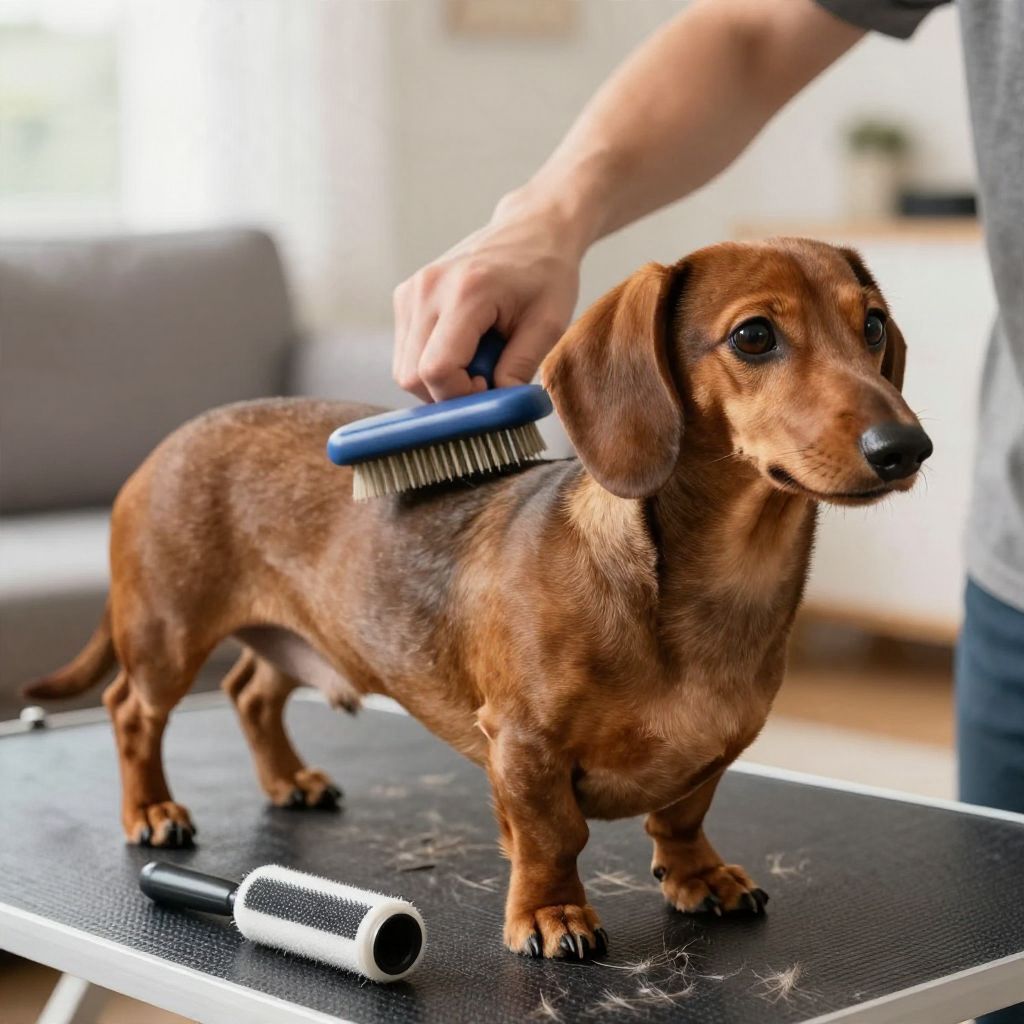
Do Mini Dachshunds shed? Yes, they do, but the amount depends on coat type, season, health, and grooming habits. Some mini Dachshunds shed lightly and stay fairly tidy, while others leave more hair around the home.
If you’re trying to manage shedding, the good news is that regular brushing, a healthy diet, and routine vet care usually make a noticeable difference. Understanding your dog’s coat type helps you set realistic expectations.
Do Mini Dachshunds Shed?
Yes. Mini Dachshunds shed, though the amount varies by coat type and individual dog. Smooth-coated dogs usually shed small, short hairs year-round, while long-haired and wire-haired dogs may shed differently and need more grooming. Seasonal changes, skin health, and overall wellness can also affect how much hair ends up on your floors and furniture.
Why Mini Dachshunds Shed
Shedding is a normal part of the hair growth cycle. Old hairs fall out so new ones can grow in, and most dogs shed to some degree all year.
Mini Dachshunds are not a non-shedding breed. Even when shedding is mild, you may still notice hair on clothing, bedding, or car seats, especially during seasonal coat changes.
Coat type matters
- Smooth-coated mini Dachshunds often shed short hairs that can be easy to notice on dark fabric.
- Long-haired mini Dachshunds may shed less visibly at times, but loose hair can tangle in the coat if not brushed out.
- Wire-haired mini Dachshunds may need coat maintenance to remove dead hair and keep the coat healthy.
Seasonal shedding can happen
Many dogs shed more in spring and fall as daylight and temperature change. Indoor life, heating, and air conditioning can make shedding feel less predictable, so your dog may shed throughout the year rather than in one obvious season.
How Much Do Mini Dachshunds Shed Compared With Other Dogs?
Mini Dachshunds are often considered moderate shedders overall, but that label can be misleading because coat type and grooming make a big difference. A well-brushed mini Dachshund may seem to shed very little, while an unbrushed dog can leave much more hair behind.
If you want a low-maintenance coat, the smooth coat is usually easier to care for than longer or rougher coats. Still, no mini Dachshund is truly shed-free.
What Affects Shedding in Mini Dachshunds?
Several factors can increase or reduce shedding, and not all of them are breed-specific. If shedding changes suddenly, it is worth paying attention to the bigger picture.
- Age: Puppies and older dogs may have coat changes that affect shedding.
- Health: Skin disease, allergies, parasites, pain, or hormone problems can cause extra hair loss.
- Nutrition: Poor-quality diets or sudden diet changes may affect coat condition.
- Stress: Stress or environmental changes can sometimes lead to more grooming, scratching, or hair loss.
- Grooming routine: Regular brushing removes loose hair before it falls around your home.
How to Manage Mini Dachshund Shedding
You cannot stop shedding completely, but you can reduce loose hair and keep the coat healthier. A simple, consistent routine usually works better than occasional deep cleaning.
Brush according to coat type
- Smooth coats: Use a soft brush or grooming mitt once or twice a week.
- Long-haired coats: Brush more often, especially behind the ears, under the legs, and on the tail where tangles form.
- Wire-haired coats: Use grooming tools suited to the coat and ask a groomer if you are unsure how to maintain it.
Bathe only as needed
Bathing can help remove loose hair, but too-frequent bathing may dry the skin and make shedding look worse. Use a dog-safe shampoo and follow your veterinarian’s advice if your dog has sensitive skin.
Support skin and coat health
- Feed a complete, balanced diet appropriate for your dog’s life stage.
- Keep fresh water available.
- Monitor for itching, dandruff, redness, or bald patches.
- Use parasite prevention recommended by your veterinarian.
Keep the environment tidy
Simple cleaning habits can make shedding much more manageable:
- Vacuum furniture and floors regularly.
- Use washable blankets on favorite resting spots.
- Keep a lint roller near common seating areas.
- Brush your dog outside if weather and safety allow.
When Shedding Is Not Normal
Some hair loss is normal, but sudden or heavy shedding can signal a problem. It is important to tell the difference between routine coat shedding and hair loss that needs veterinary attention.
Call your veterinarian if you notice any of these:
- Bald spots or thinning that is new or worsening
- Red, flaky, greasy, or smelly skin
- Constant scratching, licking, chewing, or rubbing
- Scabs, sores, or signs of pain when touched
- Hair loss along with weight change, low energy, or appetite changes
Seek urgent veterinary care if your dog has swelling, open wounds, severe lethargy, trouble breathing, repeated vomiting, or a sudden severe reaction after grooming products, flea treatments, or a possible toxin exposure.
Grooming Mistakes That Can Make Shedding Worse
Sometimes owners accidentally create more coat trouble while trying to help. Avoiding a few common mistakes can keep your mini Dachshund more comfortable.
- Brushing too hard: This can irritate the skin and make your dog dislike grooming.
- Using the wrong tool: A tool that is too harsh can damage the coat or miss loose hair.
- Skipping grooming for long periods: Loose hair and tangles build up, especially in longer coats.
- Overbathing: Too much washing can dry the skin.
- Ignoring skin changes: Shedding plus itching or redness deserves attention.
Do Mini Dachshund Puppies Shed?
Yes, puppies shed too. As they grow, they may lose some of their soft puppy coat and develop their adult coat, which can change how much hair you see around the house.
During puppyhood, focus on gentle grooming and positive experiences. Short, calm brushing sessions help your puppy accept handling and make adult coat care easier later.
Senior Mini Dachshunds and Coat Changes
Older mini Dachshunds may shed more or less depending on health, hormones, and skin condition. Aging dogs can also become less flexible, so grooming may need to be gentler and more frequent in smaller sessions.
If an older dog suddenly sheds more than usual, do not assume it is just age. Skin problems, dental disease, endocrine issues, and other medical concerns can show up as coat changes.
How Diet and Health Affect the Coat
A shiny coat starts with overall health. While food alone will not stop normal shedding, a balanced diet supports skin and hair growth.
If your dog’s coat looks dull, dry, or brittle, talk with your veterinarian before changing supplements or diets. Some skin and coat issues need diagnosis rather than guesswork.
Helpful questions to discuss with your vet
- Is my dog’s shedding within a normal range?
- Could allergies or parasites be involved?
- Does my dog need a diet review?
- Should we check for skin infection or hormone problems?
Simple Routine for a Cleaner Home
If you live with a mini Dachshund, a steady routine is usually the easiest way to stay ahead of shedding. Consistency matters more than doing a big cleanup once in a while.
- Brush your dog on a regular schedule based on coat type.
- Check the skin while grooming for redness, bumps, or flakes.
- Wash bedding and blankets often.
- Vacuum high-traffic areas before hair builds up.
- Schedule vet visits if shedding changes suddenly.
Conclusion
Mini Dachshunds do shed, but the amount is usually manageable with the right grooming routine and good overall care. If shedding is sudden, heavy, or paired with skin irritation, contact your veterinarian so you can address the cause early.
If you want to compare coat care across Dachshund coat types, you may also find Do Dachshunds Shed a Lot? and Do Long-Haired Dachshunds Shed? helpful for more breed-specific guidance.