
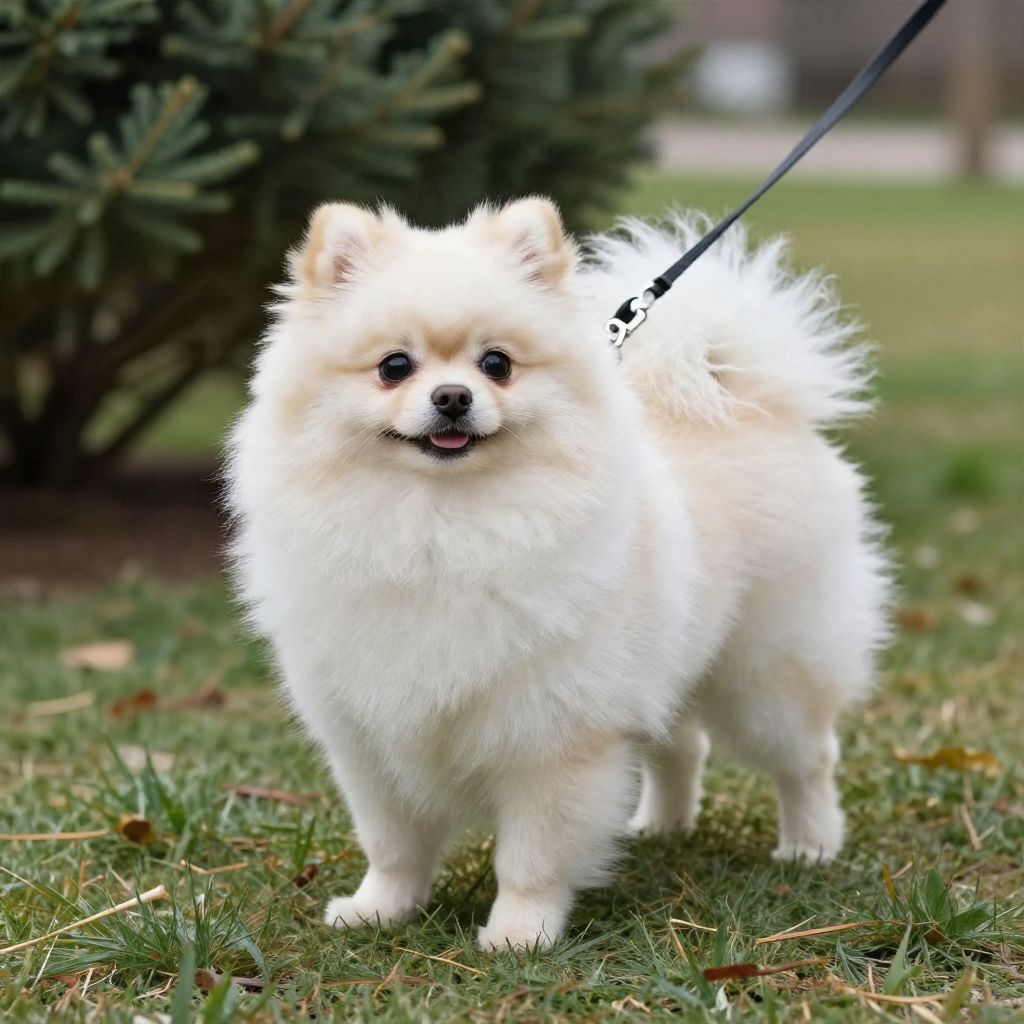
Where do Pomeranians come from? They trace back to the Pomerania region in northern Europe, where larger Spitz-type dogs were developed before breeders refined them into the small companion dogs you see today. Their history is tied to working dogs, not just lapdogs.
If you’re curious about your Pom’s background, it helps to know that breed history can shape temperament, coat care, and exercise needs. It also explains why many Pomeranians are alert, lively, and surprisingly sturdy for their size.
Where do Pomeranians come from?
Pomeranians originated in the Pomerania region, an area along the southern Baltic coast that is now part of modern-day Poland and Germany. They descended from larger Spitz-type dogs used for practical work, then were selectively bred down in size over time to become the small companion breed known today.
The breed’s roots in Spitz dogs
Pomeranians belong to the Spitz family, a group of dogs known for thick coats, pointed ears, and curled tails. Their ancestors were much larger than modern Poms and were valued for their hardiness, alertness, and ability to handle cold climates.
From working dog to companion
Early Pomeranian-type dogs were not bred mainly to sit in a lap. Over generations, breeders focused on smaller size and companion traits, which gradually produced the toy-sized dog many people recognize now.
- Early role: practical farm and sled-type work in colder regions
- Later role: companion and show dog
- Modern role: affectionate, alert family pet for many households
How Pomeranians became so small
The modern Pomeranian is the result of selective breeding for reduced size and a more companion-focused temperament. That change happened over many generations, so today’s breed can look very different from its larger ancestors while still sharing the same general Spitz type.
This history matters because small size does not mean fragile personality. Many Pomeranians are energetic, curious, and confident, but individual dogs vary a lot based on breeding, early socialization, and daily handling.
What their origin means for your dog today
Knowing where Pomeranians come from can help you understand their needs. Their ancestry often shows up in their coat, alert behavior, and desire to stay engaged with people and surroundings.
Typical traits you may notice
- A thick double coat that needs regular grooming
- Alertness to sounds and movement
- Moderate exercise needs with bursts of playfulness
- Strong interest in companionship and routine
These are common tendencies, not guarantees. Some Pomeranians are bold and vocal, while others are quieter and more reserved.
Grooming needs tied to the breed’s history
Because Pomeranians come from cold-weather, heavily coated ancestors, coat care is a major part of keeping them comfortable. Their fluffy appearance is beautiful, but it also means tangles, shedding, and skin issues can build up if grooming is neglected.
Practical grooming basics
- Brush regularly to help prevent mats and remove loose undercoat.
- Check behind the ears, under the legs, and around the tail where tangles often form.
- Bathe only as needed with a dog-safe shampoo.
- Trim nails and keep ears clean and dry.
If your Pom’s coat suddenly looks dull, feels greasy, or develops bald spots, talk with a veterinarian. Skin disease, parasites, allergies, and endocrine problems can all affect coat quality.
Exercise and enrichment for a small but active breed
Pomeranians usually do not need the same amount of exercise as larger sporting or working breeds, but they still need daily activity. Their background as alert, active dogs means they often enjoy short walks, indoor play, and training games.
Good activity options
- Short, regular walks
- Fetch in a safe indoor space
- Food puzzles and scent games
- Short training sessions using rewards
Because of their small size, you should match exercise to the individual dog. Puppies, seniors, and dogs with tracheal or joint problems may need gentler activity and more rest.
Training and socialization: why early habits matter
Pomeranians often learn quickly, but they can also become vocal or wary if they are not socialized well. Their heritage as alert watchdog-style companions means they may be quick to notice new people, sounds, and animals.
Helpful training priorities
- Reward calm behavior with treats, praise, or play
- Teach basic cues like sit, come, and leave it
- Practice handling for grooming and vet visits
- Expose your dog gradually to different people, dogs, and environments
Use positive reinforcement rather than punishment. Harsh methods can increase fear, barking, and avoidance, especially in a small dog that already feels the need to stay alert.
Common health considerations in Pomeranians
Breed history does not determine health, but it can help you know what to watch for. Small dogs like Pomeranians can be prone to certain issues, and some are more likely to show up as dogs age.
When to call a veterinarian
Contact your vet if you notice coughing, trouble breathing, weakness, ongoing vomiting or diarrhea, sudden hair loss, limping, or changes in appetite or energy. These signs can have many causes and should not be guessed at from breed history alone.
Seek urgent veterinary care right away if your dog has blue gums, collapse, severe breathing trouble, repeated retching without vomiting, a swollen abdomen, seizures, or a possible toxin exposure.
Feeding a Pomeranian well
Pomeranians do best on a complete and balanced dog food that fits their life stage. Their small size means portion control matters, but their nutritional needs still depend on age, activity level, and health status.
Feeding tips that often help
- Measure meals instead of free-feeding whenever possible
- Use treats sparingly during training
- Choose a diet appropriate for puppies, adults, or seniors
- Ask your vet before changing food if your dog has dental, digestive, or weight concerns
Do not use human food as a main diet. If you want to share snacks, make sure they are safe for dogs and offered in small amounts.
What to know if you’re getting a Pomeranian
If you are considering the breed, understanding where Pomeranians come from can help you prepare for their needs. They are not just decorative dogs; they are active, intelligent companions that usually do best with consistent care and social contact.
Questions to ask a breeder or rescue
- What health testing has been done?
- How has the puppy been socialized?
- What is the dog’s temperament like with handling and noise?
- What grooming routine is already in place?
Choose a source that prioritizes health, temperament, and responsible care. A well-raised Pomeranian is more likely to adapt well to family life than one bred only for appearance.
Common mistakes new Pomeranian owners make
Many problems with Pomeranians come from misunderstanding their size. Small dogs still need structure, training, grooming, and veterinary care.
- Skipping grooming until mats become painful
- Allowing too much barking without training
- Assuming a tiny dog does not need exercise
- Using rough handling because the dog is small
- Ignoring early signs of dental or breathing problems
Gentle, consistent care usually works better than trying to “correct” behavior after it becomes a habit.
Conclusion
Pomeranians come from the Pomerania region and descend from larger Spitz dogs that were later bred into the small companion breed you know today. Their history helps explain their thick coat, alert nature, and need for regular grooming, training, and thoughtful daily care.
If you want to learn more, you may also find these related guides helpful: where Pomeranians are from and what Pomeranians were bred for.