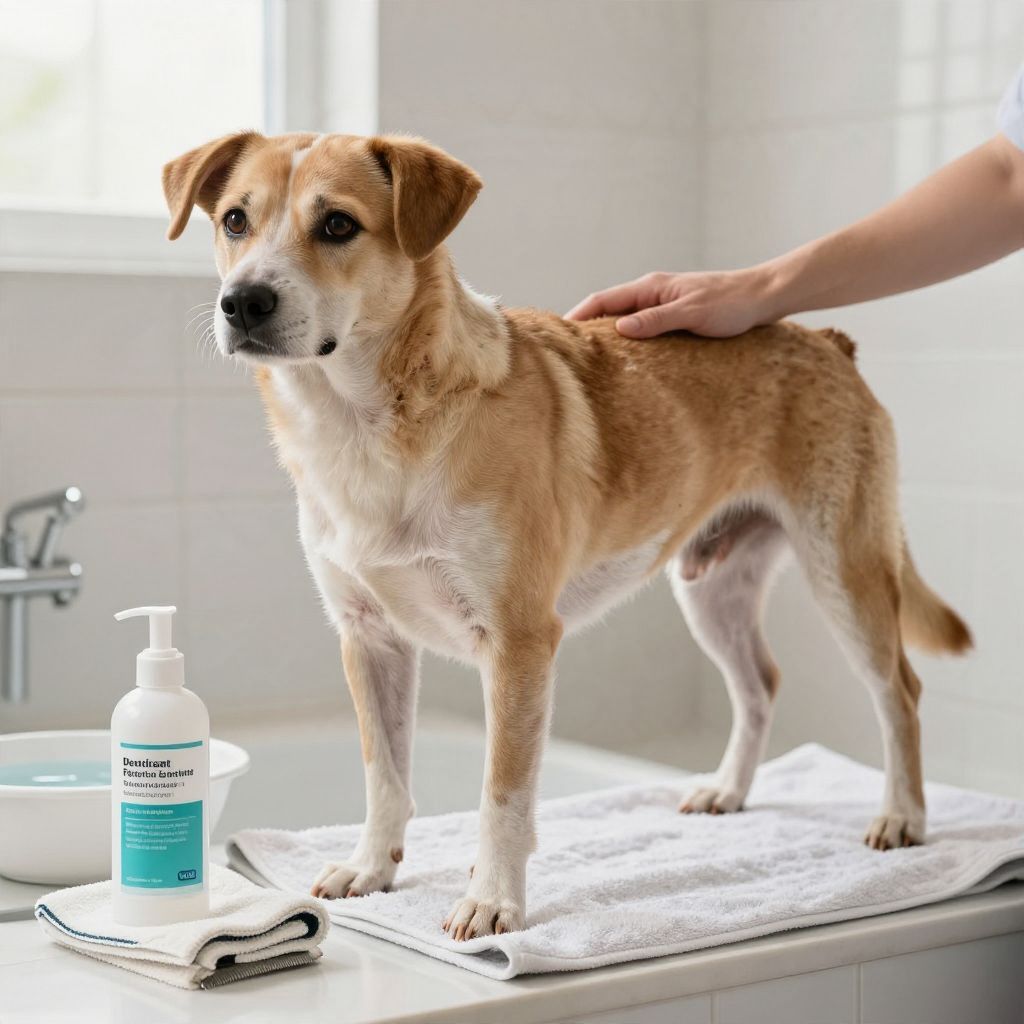
How to treat mange in dogs at home starts with knowing that “mange” is usually caused by mites, and the safest home care is supportive care plus prompt veterinary guidance. Some cases need prescription treatment, and trying to handle it only at home can let the infestation worsen.
You can help your dog feel better by keeping the skin clean, reducing scratching, and preventing spread to other pets, but you should not guess at the cause. If your dog has hair loss, crusts, intense itching, or sores, a vet should confirm the type of mange and the right treatment plan.
How to treat mange in dogs at home?
Home care for mange means supporting your dog’s skin, limiting irritation, and following your veterinarian’s treatment plan exactly. You can gently clean affected areas, wash bedding, reduce contact with other pets, and watch for worsening signs. But mange itself usually needs veterinary diagnosis and prescription medication to clear safely.
What mange is and why home treatment has limits
Mange is a skin disease caused by mites. Different mites can cause different patterns of itching, hair loss, crusting, and redness, and the treatment depends on which mite is involved.
That is why “one-size-fits-all” home remedies are risky. A dog with mange may also have a bacterial skin infection, allergies, ringworm, or another problem that looks similar but needs different care.
Common signs that may point to mange
- Patchy hair loss
- Red, inflamed, or thickened skin
- Scabs, crusts, or dandruff-like flakes
- Frequent scratching, rubbing, or chewing
- Ear irritation or facial itching in some cases
- Skin odor or sores if infection develops
Step-by-step home care while you arrange veterinary treatment
These steps can make your dog more comfortable and help prevent the problem from spreading, but they do not replace proper treatment.
-
Isolate the dog from other pets if your vet advises it.
Some mites can spread between animals, so limit close contact until you know what you are dealing with. Use separate bedding, grooming tools, and bowls if recommended.
-
Wash bedding and soft items frequently.
Use hot water when safe for the fabric and dry thoroughly. Clean blankets, crate pads, and washable toys to reduce environmental contamination.
-
Keep the skin clean and dry.
Gently wipe dirty areas with a soft, damp cloth if your dog tolerates it. Avoid harsh scrubbing, alcohol, essential oils, or fragranced products that can sting or worsen irritation.
-
Prevent self-trauma.
If your dog is scratching or chewing enough to damage the skin, ask your vet whether an e-collar or other barrier is appropriate. Broken skin can quickly become infected.
-
Follow the prescribed treatment exactly.
If your veterinarian gives you a medicated shampoo, topical product, or oral medication, use it as directed and finish the full course. Stopping early can allow mites to return.
-
Monitor for changes daily.
Track whether itching, redness, appetite, energy, and skin lesions are improving or getting worse. Photos can help your vet judge progress at follow-up.
What you should not do at home
Some popular internet remedies can irritate skin, delay treatment, or be dangerous. Avoid these common mistakes:
- Do not use essential oils on your dog’s skin unless a veterinarian specifically approves them.
- Do not apply human acne, steroid, or antibiotic creams without veterinary guidance.
- Do not bathe too often with harsh shampoos, which can dry and inflame the skin.
- Do not use flea products meant for another species or a different dog without checking the label.
- Do not rely on garlic, vinegar, bleach, or other DIY mixtures.
- Do not wait for “natural healing” if the skin is worsening or your dog seems unwell.
When home care is reasonable versus when a vet is needed
Home care is only reasonable as supportive care after you have a veterinary plan or while you are arranging an appointment. Because mange can resemble other skin diseases, a vet visit is the safest first step.
Call a veterinarian soon if you notice
- Hair loss spreading over more than one area
- Severe itching or constant discomfort
- Crusting, oozing, or foul-smelling skin
- Skin thickening or darkening
- Repeated ear problems or facial sores
- No improvement after starting recommended care
Seek urgent veterinary care if your dog has
- Lethargy, fever, or obvious pain
- Not eating or drinking normally
- Rapidly worsening swelling, bleeding, or open wounds
- Signs of a severe allergic reaction after any product is applied
- Very young age, pregnancy, or another major health condition with skin disease
How vets usually confirm mange
A veterinarian may examine the skin, take skin scrapings, or use other tests to look for mites and rule out similar problems. This matters because treatment can differ depending on the mite type and whether infection is also present.
Even if your dog’s symptoms seem obvious, guessing can lead to the wrong product and prolonged discomfort. A correct diagnosis saves time and reduces the chance of spread to other pets.
Supporting your dog’s skin during recovery
Good supportive care can make treatment easier and help skin heal.
- Use gentle grooming. Brush only if it does not hurt, and stop if the skin is tender or raw.
- Keep nails trimmed. Shorter nails can reduce damage from scratching.
- Feed a complete diet. Skin healing depends on overall nutrition, so avoid trying to “treat” mange with food alone.
- Reduce stress. Comfortable rest, predictable routines, and calm handling can help itchy dogs settle.
- Protect sensitive areas. If your dog is rubbing the face or ears, ask your vet how to prevent more irritation safely.
Does age, breed, or coat type change home care?
Yes, but the basics stay the same. Puppies, seniors, and dogs with other illnesses may need closer monitoring because they can be more vulnerable to dehydration, infection, or medication side effects.
Coat length and skin sensitivity can also affect how easy it is to spot lesions and how often grooming is needed. Some dogs tolerate baths and handling well, while others become stressed, so adjust your approach to your dog’s temperament and comfort.
How to prevent mange from coming back
Prevention depends on the cause, but good hygiene and parasite control help lower risk. Follow your vet’s advice on flea and mite prevention, especially if your dog has had skin problems before.
- Keep up with regular parasite prevention recommended for your area
- Wash bedding routinely
- Check skin and ears during grooming
- Address itching early before sores develop
- Schedule follow-up visits if your vet wants to confirm the mites are gone
Practical takeaway
If you are wondering how to treat mange in dogs at home, the safest answer is: support the skin, prevent spread, and follow veterinary treatment rather than trying to cure it yourself. Mange can worsen quickly, so get a diagnosis first and use home care as backup, not a substitute.
If you want to learn more about related skin issues, you may also find what dog mites look like helpful, and if your dog is scratching at paws too, see how to stop a dog from licking paws at home.