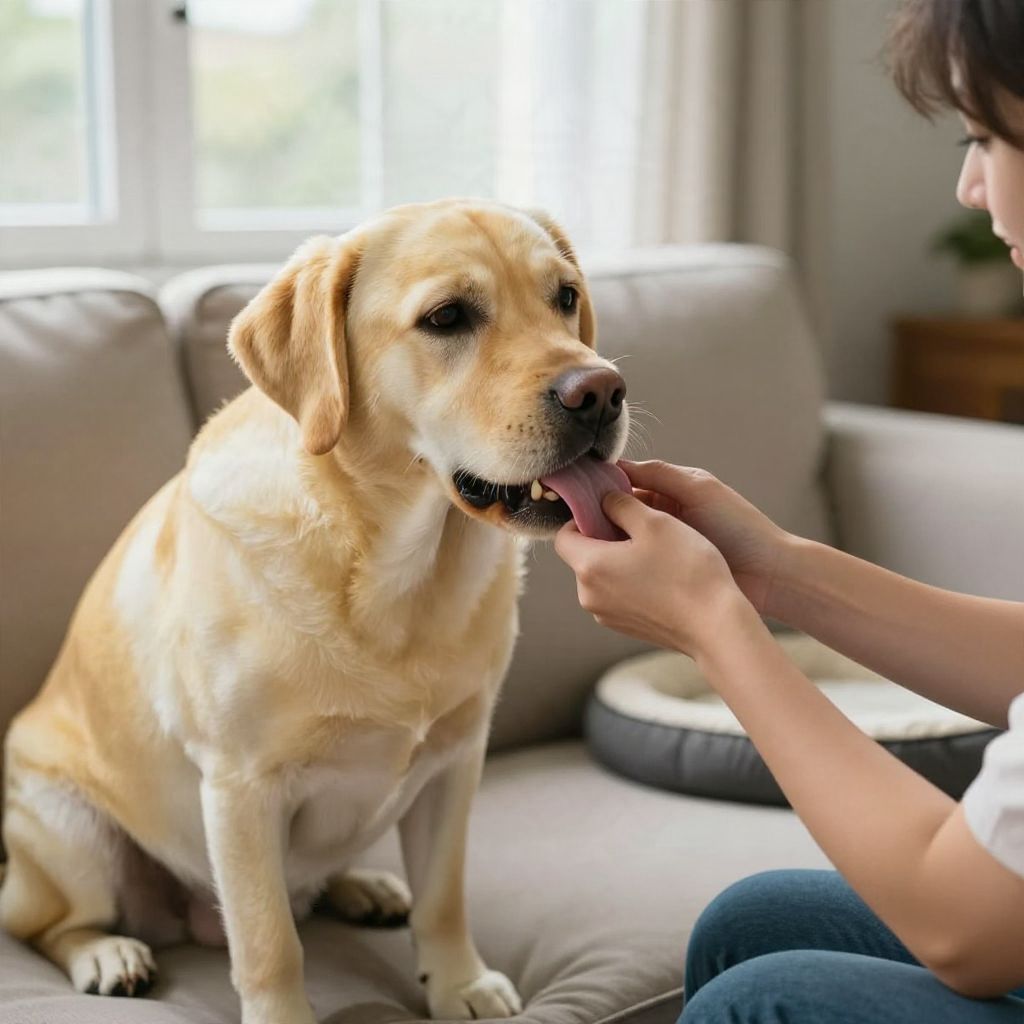
If you keep asking, “Why does my dog lick me excessively?” the answer is usually a mix of affection, attention-seeking, habit, or something that smells interesting on your skin. Most licking is normal, but nonstop licking can also point to stress, nausea, skin irritation, or another health issue.
The key is to look at the whole picture: when the licking happens, what your dog is licking, and whether there are other behavior or health changes. That helps you decide whether it is harmless, trainable, or worth a veterinary check.
Why does my dog lick me excessively?
Excessive licking is often a communication behavior. Your dog may be seeking attention, showing affection, self-soothing, exploring salt or food residue on your skin, or responding to anxiety, boredom, or a medical problem. If the licking is sudden, intense, or paired with other symptoms, talk to your veterinarian.
Common reasons dogs lick people a lot
Affection and social bonding
Many dogs lick people as a friendly, social behavior. It can be a learned way to greet you, stay close, or get a positive reaction from you.
Some dogs are simply more physically affectionate than others, but individual personality, early socialization, and what gets rewarded in the home matter more than breed labels alone.
Attention-seeking
If licking makes you look at, pet, talk to, or laugh with your dog, the behavior may be reinforced. Even negative attention can be rewarding for some dogs if it reliably gets a response.
Stress, anxiety, or overarousal
Dogs may lick people or objects when they feel uncertain, overexcited, or unable to settle. You may notice the licking during arrivals, departures, visitors, grooming, or busy household moments.
Other stress signs can include pacing, panting when not hot, whining, clinginess, hiding, or trouble relaxing.
Boredom and lack of enrichment
A dog with too little exercise, mental stimulation, or predictable routine may use licking as a self-entertaining habit. This is especially common in dogs that are under-stimulated for long periods.
Learned habit
Sometimes licking starts for one reason and then becomes a habit. If it has been reinforced over time, your dog may keep doing it even after the original trigger is gone.
They like the taste or smell
Dogs have a strong sense of smell. Sweat, lotion, food residue, salt, or even soap scents can make your skin interesting to lick.
Possible medical causes
Excessive licking can sometimes be linked to nausea, oral discomfort, allergies, pain, skin irritation, or other medical issues. If the behavior is new or escalating, do not assume it is “just a habit.”
Watch for drooling, vomiting, loss of appetite, bad breath, pawing at the mouth, skin redness, itching, restlessness, or changes in drinking, bathroom habits, or energy.
When licking is normal vs. when it is a concern
Occasional licking is usually normal. It becomes more concerning when it is frequent, difficult to interrupt, happens suddenly, or seems driven by distress rather than social interaction.
- Usually normal: brief greeting licks, occasional licking after play, or licking that stops easily when redirected.
- More concerning: repetitive licking that lasts a long time, happens daily in many situations, or increases over time.
- Needs veterinary attention: licking paired with vomiting, diarrhea, pain, skin lesions, drooling, appetite changes, or behavior changes.
What to do if your dog licks you excessively
1. Don’t accidentally reward the licking
If your dog licks for attention, try to avoid reacting in a way that reinforces it. Pulling away dramatically, talking excitedly, or petting your dog right after licking can keep the behavior going.
Instead, stay calm and consistent. The goal is to make polite behavior more rewarding than licking.
2. Redirect to an appropriate behavior
Teach an alternative cue such as “sit,” “down,” “place,” or “touch.” Reward your dog when they choose that behavior instead of licking.
- Ask for a simple cue before petting.
- Reward four paws on the floor.
- Offer a chew, lick mat, or food puzzle when appropriate.
3. Increase enrichment and exercise
Many dogs lick less when they have enough physical activity and mental work. Matching exercise to your dog’s age, breed tendency, health, and energy level can help prevent boredom-driven licking.
- Daily walks or sniffing time
- Training games with rewards
- Food puzzles or scatter feeding
- Short, positive play sessions
4. Create predictable routines
Dogs that feel unsure often do better with a steady schedule for meals, walks, play, rest, and alone time. Predictability can reduce stress-related licking.
5. Manage triggers
If licking happens in specific situations, identify the trigger. Common examples include visitors, bedtime, grooming, being ignored, or your skin products.
You may need to step back from the trigger temporarily while you teach a new response.
6. Keep your skin and clothing less “interesting”
Wash off food residue, sweat, or lotions that seem to attract licking. If your dog targets a specific spot, covering it briefly may help while you work on training.
How to train a dog not to lick excessively
Use reward-based training and consistency. Punishment, yelling, or startling your dog can increase anxiety and make the problem worse.
- Choose a replacement behavior, such as sitting beside you calmly.
- Reward the replacement behavior immediately with praise, treats, or access to what your dog wants.
- End attention or interaction when licking starts, then resume when your dog is calm.
- Practice in easy situations first, then gradually add distractions.
- Be consistent with everyone in the household.
If your dog is very persistent, a certified trainer or veterinary behaviorist can help you build a plan that fits your dog’s temperament and history.
When excessive licking may point to a health problem
Some dogs lick more because they feel unwell. A veterinary exam is especially important if the licking is new, intense, or paired with other symptoms.
Red flags to call your vet promptly
- Vomiting, diarrhea, or repeated swallowing
- Drooling, bad breath, or trouble eating
- Skin redness, hair loss, scabs, or constant scratching
- Limping, stiffness, or signs of pain
- Sudden behavior changes, restlessness, or withdrawal
- Excessive thirst, appetite changes, or weight loss
Emergency signs that need urgent veterinary care
- Swollen face, hives, or trouble breathing
- Repeated vomiting or collapse
- Possible toxin exposure
- Severe pain, bloated abdomen, or inability to settle
- Seizures or disorientation
Do not try to diagnose the cause at home if these signs are present. A veterinarian can check for oral pain, allergy issues, gastrointestinal upset, anxiety-related disorders, or other medical concerns.
Age, breed, and personality can change the picture
Young dogs and puppies may lick more because they are exploring, teething, or learning social behavior. Older dogs may lick more if they are uncomfortable, anxious, or developing medical issues.
Breed tendencies can matter, but they are not guarantees. Some dogs are naturally more mouthy, social, or persistent, while others are more reserved. Your dog’s individual temperament, training, and daily routine matter just as much.
Common mistakes to avoid
- Laughing or giving attention every time your dog licks
- Using punishment or scare tactics
- Ignoring sudden licking that comes with illness signs
- Expecting the behavior to stop without training or management
- Overlooking boredom, stress, or lack of exercise
Bottom line
Excessive licking is often normal communication, but it can also signal stress, boredom, or a health problem. Watch for patterns, reward calmer alternatives, and contact your veterinarian if the licking is new, intense, or comes with other symptoms.
If you want to understand related licking behaviors, you may also find why dogs lick people so much and why dogs lick their paws helpful for comparing causes and next steps.