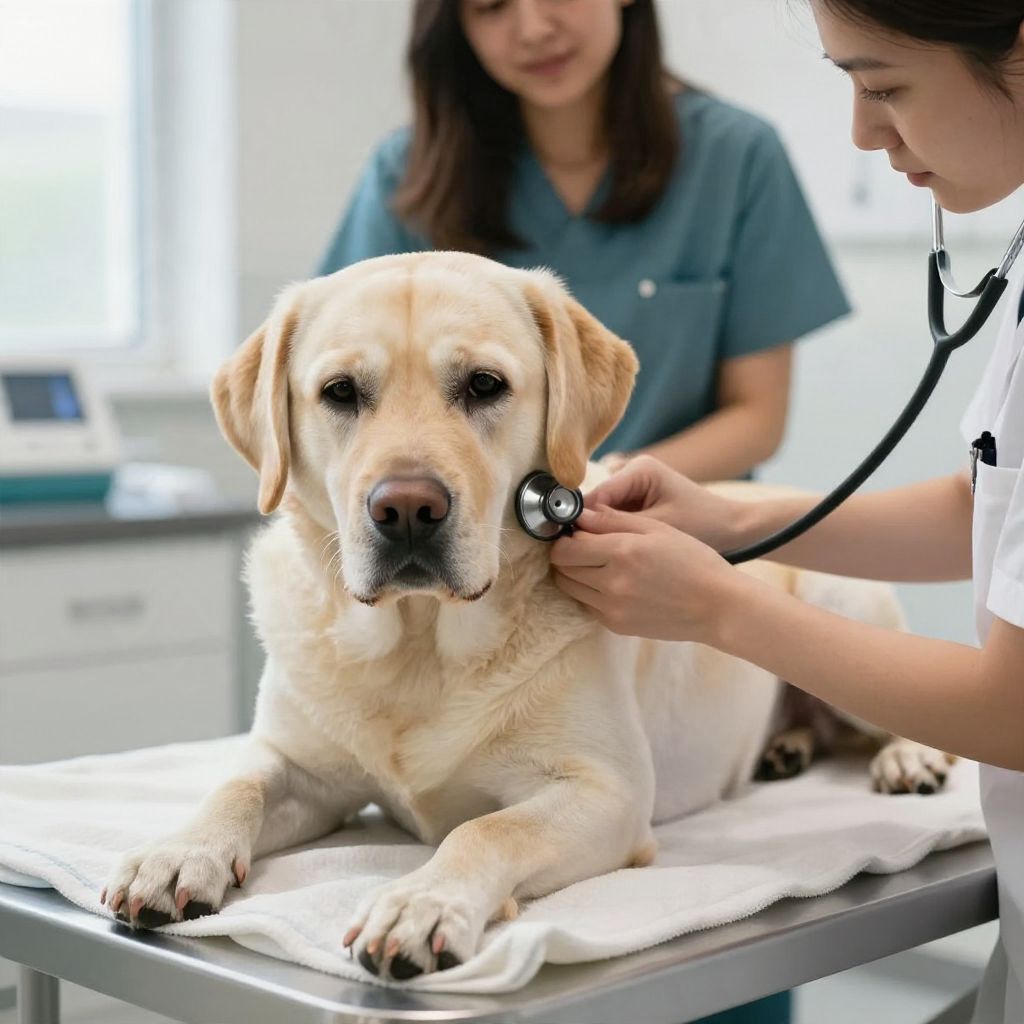
Can dogs have strokes? Yes, dogs can have strokes, and the signs can appear suddenly. A stroke happens when blood flow to part of the brain is disrupted, which can affect balance, vision, movement, and behavior.
If your dog shows abrupt weakness, head tilt, circling, collapse, or severe disorientation, treat it as urgent and contact a veterinarian right away. Rapid evaluation matters because stroke-like signs can also come from other serious problems that need prompt care.
Can dogs have strokes?
Yes. Dogs can have strokes, including ischemic strokes, which happen when blood flow is blocked, and hemorrhagic strokes, which happen when a blood vessel bleeds. The signs often start suddenly, and they can look dramatic, but only a veterinarian can confirm the cause and rule out other emergencies.
What a stroke may look like in a dog
Stroke signs vary depending on the area of the brain affected and how severe the event is. Some dogs improve quickly, while others need urgent treatment and monitoring.
Common warning signs
- Sudden loss of balance or trouble walking
- Head tilt
- Circling or falling to one side
- Weakness or dragging a limb
- Abnormal eye movements or unequal pupils
- Sudden confusion, staring, or seeming “not themselves”
- Loss of vision or bumping into objects
- Collapse
Emergency red flags
- Seizures
- Trouble breathing
- Repeated vomiting with sudden neurologic signs
- Unresponsiveness
- Severe weakness or inability to stand
- Bleeding, trauma, or suspected toxin exposure
If any of these happen, do not wait to “see if it passes.” Seek urgent veterinary care.
What can cause stroke-like signs in dogs?
Not every dog with sudden balance problems has had a stroke. Several other conditions can look similar, and some are just as urgent.
- Vestibular disease: causes sudden dizziness, head tilt, and wobbliness.
- Inner ear infection: can affect balance and cause nausea.
- Seizures: may leave a dog confused, weak, or unsteady afterward.
- Head trauma: falls, car accidents, or other injuries can cause brain swelling or bleeding.
- Poisoning: some toxins cause weakness, tremors, or collapse.
- Low blood sugar: especially concerning in small dogs, puppies, or dogs with certain illnesses.
- High blood pressure or clotting disorders: can increase stroke risk or mimic it.
Because the causes overlap, a veterinary exam is important even if your dog seems to improve.
Which dogs are more at risk?
Any dog can have a stroke, but risk may be higher in dogs with certain health issues. Age, body size, breed tendencies, and medical history all matter, though none of these guarantees a stroke will happen.
Factors that can raise risk
- Older age
- Heart disease
- Kidney disease
- Endocrine disease such as Cushing’s disease, diabetes, or thyroid problems
- High blood pressure
- Clotting disorders
- Recent surgery or trauma
- Some cancers
Some breeds may be more prone to the underlying conditions that raise stroke risk, but individual health matters more than breed alone. Your veterinarian can tell you whether your dog’s history places them at higher risk.
What to do if you think your dog had a stroke
Act quickly and keep your dog as calm and safe as possible. The goal is to prevent injury and get veterinary care fast.
- Call your veterinarian or an emergency clinic immediately.
- Keep your dog in a quiet, dim area away from stairs and slippery floors.
- Do not force walking if your dog is weak or dizzy.
- Do not give human medication unless a veterinarian has specifically instructed you to do so.
- If possible, note when the signs started and whether they are getting worse.
- Bring a list of medications, supplements, and any possible toxin exposure.
If your dog is having a seizure, trouble breathing, or cannot stand, go to emergency care right away.
How veterinarians evaluate stroke signs
Your vet will usually start with a physical and neurologic exam. They may also recommend blood pressure checks, bloodwork, urine testing, ear evaluation, imaging, or referral for advanced diagnostics.
These tests help distinguish a true stroke from vestibular disease, infection, toxin exposure, metabolic problems, or brain injury. In some cases, advanced imaging is the best way to confirm what is happening in the brain.
Can dogs recover from a stroke?
Many dogs can improve, sometimes significantly, but recovery depends on the cause, the area affected, and how quickly treatment begins. Some dogs recover in days to weeks, while others need longer support or may have lasting deficits.
What recovery may involve
- Treating the underlying cause, such as high blood pressure or heart disease
- Supportive care for hydration, nausea, or mobility issues
- Physical assistance at home
- Follow-up exams to monitor progress
Some dogs need help with walking, eating, or toileting during recovery. Your veterinarian can guide you on safe home care and whether rehabilitation may help.
Feeding guide for a dog recovering from stroke-like signs
There is no special “stroke diet” that fits every dog. Feeding should support overall health, any underlying disease, and your dog’s ability to eat safely.
What to focus on
- Follow your veterinarian’s diet plan if your dog has heart, kidney, endocrine, or neurologic disease.
- Offer meals in a calm, quiet place if your dog is disoriented or nauseated.
- Use the dog’s regular balanced food unless your vet recommends a change.
- Make sure water is easy to access if your dog can walk safely.
- If swallowing seems difficult, ask your vet before changing food texture or feeding method.
Foods and feeding mistakes to avoid
- Do not give salty, fatty, or heavily seasoned table food during recovery.
- Do not force-feed a dog who is choking, coughing, or unable to swallow normally.
- Do not use supplements or home remedies without veterinary guidance.
- Do not assume a dog is “fine” because they ate once or seem brighter for a short time.
If your dog has an underlying condition such as kidney disease or diabetes, feeding advice may need to change. Your veterinarian should guide any diet adjustments.
How to reduce stroke risk in dogs
You cannot prevent every stroke, but you can lower risk by managing health conditions early and keeping up with routine veterinary care.
- Schedule regular wellness exams, especially for senior dogs.
- Monitor and treat high blood pressure if your vet recommends it.
- Manage chronic diseases such as diabetes, kidney disease, and heart disease.
- Use parasite prevention and vaccines as advised for your dog.
- Keep toxins, medications, and dangerous foods out of reach.
- Seek prompt care for ear infections, head injuries, or sudden behavior changes.
For senior dogs, subtle changes matter. New stumbling, confusion, or a head tilt should never be brushed off as “just aging.”
Common mistakes when a dog seems to have a stroke
When signs appear suddenly, it is easy to panic or wait too long. These mistakes can delay needed care.
- Assuming it is only old age or a minor ear problem
- Giving human pain relievers or other medications
- Forcing the dog to walk or climb stairs
- Trying to “watch and wait” when symptoms are severe
- Ignoring possible toxin exposure or recent trauma
Even if your dog improves at home, they should still be checked by a veterinarian because the underlying cause may remain serious.
When to contact your veterinarian
Call your veterinarian promptly if your dog has sudden wobbliness, head tilt, confusion, weakness, or abnormal eye movements, even if the signs are mild. If the signs are severe, rapidly worsening, or paired with seizures, collapse, trouble breathing, or suspected poisoning, go to emergency care now.
For more practical dog-care guidance, you may also find it helpful to read what you can give a dog for diarrhea and browse general breed and care resources at Online Dog Breeds.
Bottom line: yes, dogs can have strokes, and sudden neurologic signs should always be taken seriously. If you notice abrupt balance problems, weakness, head tilt, or confusion, contact a veterinarian right away so your dog can get the right diagnosis and care.