
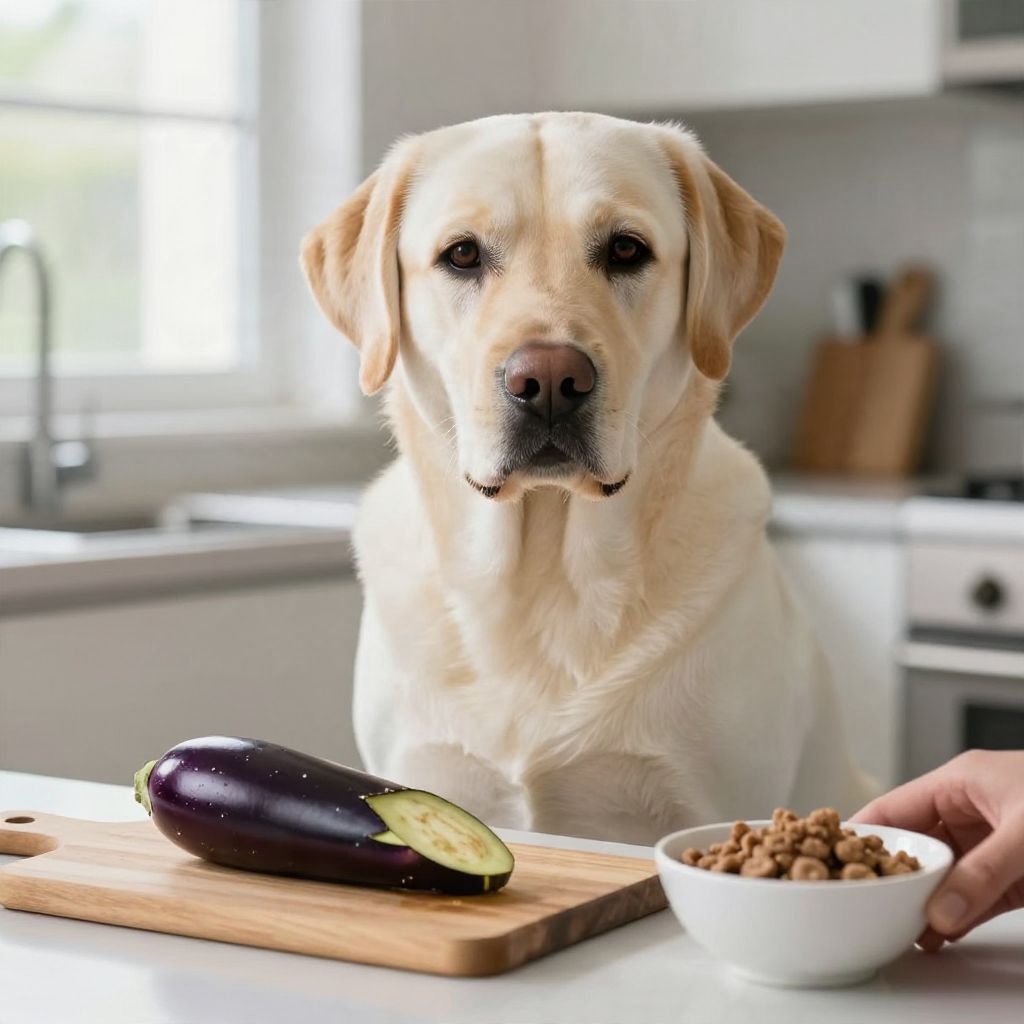
Can dogs have eggplant? In many cases, yes—plain, cooked eggplant can be offered to dogs in small amounts as an occasional treat. It should never replace a balanced dog food, and some dogs may not tolerate it well.
The main concerns are seasoning, added fats, and how your individual dog reacts. If your dog has a sensitive stomach, a history of food allergies, or a medical condition, check with your veterinarian first.
Can Dogs Have Eggplant?
Yes, dogs can usually eat small amounts of plain, fully cooked eggplant as an occasional treat. The vegetable itself is not considered toxic to dogs, but it should be served without salt, garlic, onion, sauces, or heavy oil, and you should watch for digestive upset or unusual reactions.
Is Eggplant Safe for Dogs?
Eggplant is generally safe when prepared simply. It is low in calories and can add a little fiber, but dogs do not need it nutritionally if they already eat a complete dog food.
The safest approach is to treat eggplant as a tiny add-on, not a regular snack. Some dogs handle it well, while others may get gas, loose stool, or vomiting after eating even a small amount.
What makes eggplant risky?
- Seasonings: Garlic, onion, chili, butter, cheese, and salty marinades can be harmful or upsetting.
- Oil and frying: Fried eggplant is greasy and can trigger stomach upset or pancreatitis in prone dogs.
- Large pieces: Thick chunks can be a choking risk, especially for small dogs or dogs that gulp food.
- Individual sensitivity: Some dogs simply do not digest new foods well.
How to Feed Eggplant to Dogs Safely
If you want to share eggplant, keep it plain and simple. Start with a very small amount and see how your dog responds over the next 24 hours.
- Wash the eggplant well.
- Cook it thoroughly by steaming, boiling, baking, or roasting.
- Serve it plain, with no seasoning, oil, sauce, or breading.
- Cut it into small, soft pieces.
- Offer only a small bite or two the first time.
If your dog does fine, you may occasionally offer a little more, but treats should still stay limited. A good rule is to keep extras like eggplant to a small part of your dog’s overall daily intake.
Best forms of eggplant for dogs
- Plain cooked eggplant: The easiest and safest option.
- Mashed plain eggplant: Helpful for dogs that need softer textures.
- Small roasted pieces: Fine if they are not oily or seasoned.
Forms to avoid
- Eggplant parmesan
- Stuffed eggplant with onion or garlic
- Fried eggplant slices
- Eggplant dips with spices, salt, or dairy-heavy ingredients
- Raw eggplant in large amounts
Can Dogs Eat Raw Eggplant?
Raw eggplant is not the best choice for dogs. It is harder to digest than cooked eggplant and may cause stomach upset in some dogs. Cooking softens the vegetable and makes it easier to chew and swallow safely.
Another concern is texture. Raw eggplant can be spongy and tough, which is not ideal for dogs that eat quickly or have dental problems.
Potential Health Benefits of Eggplant for Dogs
Eggplant can provide small amounts of fiber and water, and some dogs enjoy the taste and texture. That said, it is not a superfood for dogs, and the benefits are modest compared with a complete, balanced diet.
If your dog already gets a quality commercial or vet-recommended diet, eggplant is just an occasional enrichment food. It should not be used to treat constipation, weight loss, or any medical issue unless your veterinarian specifically recommends it.
When Eggplant May Not Be a Good Idea
Some dogs should avoid eggplant or only have it after veterinary approval. This is especially true if your dog has a sensitive digestive system or a condition that makes rich foods risky.
- Dogs with pancreatitis history: Avoid oily or rich preparations.
- Dogs with frequent vomiting or diarrhea: New foods may worsen symptoms.
- Dogs with food allergies or intolerances: Introduce only with caution.
- Dogs on prescription diets: Ask your vet before adding extras.
- Puppies: Their digestive systems are more sensitive, so keep treats minimal.
- Senior dogs: Dental issues or slower digestion may make texture and portion size more important.
Signs Your Dog Did Not Tolerate Eggplant Well
Watch your dog after introducing any new food. Mild digestive upset can happen with many unfamiliar foods, but ongoing or severe signs need attention.
Common mild signs
- Soft stool
- Mild gas
- Temporary decreased appetite
- One episode of vomiting
Red flags that need a vet call
- Repeated vomiting
- Diarrhea that is severe, bloody, or lasts more than a day
- Swollen belly
- Marked lethargy
- Signs of pain, such as whining or refusing to move
- Difficulty breathing or facial swelling
If your dog has trouble breathing, collapses, has a swollen face, or seems in distress after eating eggplant or any food, seek urgent veterinary care right away.
How Much Eggplant Can Dogs Have?
There is no universal amount that fits every dog, and it is best not to rely on a fixed serving size. The right amount depends on your dog’s size, diet, activity level, and digestive sensitivity.
A tiny taste is usually the safest starting point. Larger dogs may tolerate a little more than small dogs, but size alone does not guarantee tolerance. If your dog has never had eggplant before, start small and keep the rest of the meal routine unchanged.
Common Mistakes to Avoid
- Serving eggplant cooked with garlic or onion
- Using fried or heavily oiled eggplant
- Offering eggplant parmesan or other cheesy dishes
- Giving large chunks that could be swallowed whole
- Introducing eggplant when your dog already has an upset stomach
- Using eggplant as a substitute for a complete dog diet
What About Eggplant Skin and Seeds?
Small amounts of plain cooked skin are usually not a problem for most dogs, but the texture may be harder to chew and digest. If your dog has a sensitive stomach, peeling the eggplant can make it easier to tolerate.
The seeds are not usually the main concern. The bigger issue is how the eggplant is prepared and whether your dog can digest it comfortably.
When to Ask Your Veterinarian
Check with your veterinarian before feeding eggplant if your dog has a medical condition, takes prescription food, or has reacted badly to other vegetables. This is especially important for dogs with chronic digestive disease, pancreatitis risk, or a history of food allergies.
Your vet can help you decide whether eggplant is a reasonable occasional treat for your dog’s individual needs.
Bottom Line
Can dogs have eggplant? Yes, plain cooked eggplant is usually safe in small amounts for most dogs. Keep it unseasoned, avoid oily or rich recipes, and stop if your dog shows digestive upset. When in doubt, ask your veterinarian before adding any new food.
If you want to compare eggplant with other human foods, you may also find these guides helpful: can dogs eat avocado and can dogs eat raw fish.