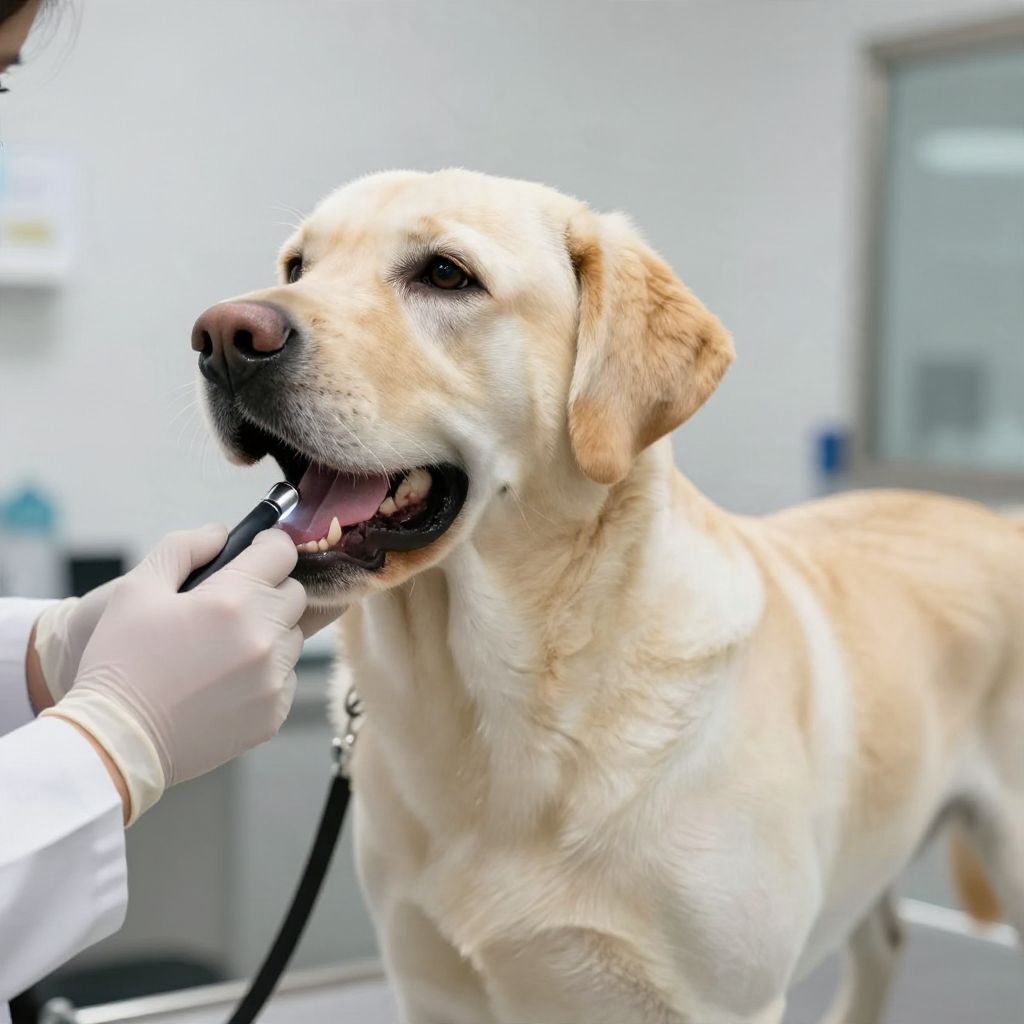
Do dogs have tonsils? Yes—dogs do have tonsils, and they sit in the back of the throat, where they help support the immune system. In most healthy dogs, the tonsils are small and not obvious.
They can become enlarged or inflamed from infection, irritation, or other throat problems. If you notice gagging, trouble swallowing, coughing, or a swollen throat, a veterinarian should examine your dog.
Do dogs have tonsils?
Yes. Dogs have two tonsils located near the back of the throat, and they help trap germs as part of the immune system. In healthy dogs, tonsils are usually not visible. If they look enlarged, red, or protrude, that can signal irritation, infection, or another medical issue that needs veterinary attention.
What tonsils do in dogs
Tonsils are lymphoid tissue, which means they help the body respond to germs entering through the mouth and nose. They are part of a larger immune defense system, not a separate “problem area” by themselves.
In everyday life, most dogs never show any sign of their tonsils. You may only hear about them when a vet is checking a sore throat, chronic cough, or trouble swallowing.
Why tonsils may become visible
When tonsils are irritated or inflamed, they can enlarge enough to be seen at the back of the mouth. This can happen with infections, repeated throat irritation, or other conditions affecting the mouth and upper airway.
Visible tonsils are not a diagnosis on their own. They are a clue that your dog needs an exam to find the cause.
What enlarged tonsils in dogs can look like
Enlarged tonsils may be noticed during a home mouth check or by a veterinarian. Some dogs also show signs that something is wrong in the throat or upper airway.
- Gagging or retching
- Difficulty swallowing
- Drooling more than usual
- Soft coughing or throat-clearing
- Reduced appetite or reluctance to eat
- Bad breath, especially if infection is present
- Swelling or redness in the back of the mouth
These signs can overlap with many other conditions, so you should not assume tonsils are the only issue.
Common reasons a dog’s tonsils swell
Several different problems can cause tonsils to enlarge. The exact cause varies by the dog’s age, health, exposure history, and whether other symptoms are present.
Infection or inflammation
Throat infections can irritate the tonsils and nearby tissues. Bacterial, viral, and sometimes fungal causes may be considered by a veterinarian depending on the full exam and history.
Chronic irritation
Repeated coughing, vomiting, dental disease, or something irritating the throat can make tonsils look enlarged. Environmental factors, such as smoke or dusty air, may also worsen throat irritation in some dogs.
Other upper-airway or mouth problems
Enlarged tonsils can appear alongside other issues, including dental disease, foreign material in the mouth or throat, or masses in the oral cavity. A vet exam is important because the treatment depends on the underlying cause.
When enlarged tonsils are an emergency
Some throat symptoms need urgent veterinary care. Do not wait if your dog is struggling to breathe or cannot swallow normally.
- Labored breathing or noisy breathing
- Blue, gray, or pale gums
- Sudden collapse or severe weakness
- Repeated choking or inability to swallow saliva
- Rapidly worsening throat swelling
- Severe lethargy with fever or refusal to drink
Breathing problems are an emergency. If your dog is having trouble breathing, seek immediate veterinary help or an emergency clinic right away.
How veterinarians check tonsils in dogs
Your vet will usually start with a physical exam and a look inside the mouth, if your dog is safe to examine. They may also ask about coughing, eating, vomiting, exposure to other dogs, and how long the signs have been present.
Depending on what they find, your vet may recommend tests such as:
- Oral and throat examination
- Bloodwork
- Imaging of the neck or chest
- Swabs or cultures in some cases
- Additional evaluation if a mass, foreign body, or airway issue is suspected
These steps help separate simple inflammation from more serious causes.
Can you check your dog’s tonsils at home?
You can sometimes look at the back of the mouth if your dog is calm and willing, but do not force the mouth open. Stress, pain, or sudden movement can make a bite more likely and can worsen an airway problem.
If you do a quick visual check, look for obvious redness, swelling, drooling, or something stuck in the mouth. Stop immediately if your dog resists, coughs, gags, or seems distressed.
Safer home observation tips
- Use a calm, well-lit area
- Keep the check brief
- Do not reach deep into the throat
- Do not try to remove anything if you cannot see it clearly
- Contact a vet if your dog seems painful or unwell
What not to do if you suspect a tonsil problem
It can be tempting to try home treatment, but throat issues can worsen quickly if the cause is unknown.
- Do not give human medications unless your veterinarian specifically instructs you to do so
- Do not use force to open the mouth or pull at anything in the throat
- Do not wait several days if symptoms are getting worse
- Do not assume coughing always means kennel cough or a simple sore throat
Because many conditions can look similar, a proper exam is the safest next step.
How tonsil problems may affect eating and drinking
Dogs with inflamed tonsils may avoid hard food, chew more slowly, or drop food while trying to swallow. Some may still want to eat but seem uncomfortable doing it.
If your dog is eating less, drinking less, or acting painful around meals, that is a good reason to call your veterinarian. Ongoing reduced intake can lead to dehydration and weakness, especially in puppies, seniors, and dogs with other health issues.
Are some dogs more likely to have tonsil issues?
Any dog can develop tonsil inflammation. Risk depends more on the individual dog’s health and exposures than on breed alone.
Dogs with chronic coughing, repeated throat irritation, dental disease, or frequent exposure to contagious respiratory illness may be more likely to have tonsil enlargement at some point. Age, immune status, and overall health can also matter.
How vets treat tonsil problems in dogs
Treatment depends entirely on the cause. A vet may recommend supportive care, treatment for infection, management of pain or inflammation, or further testing if something more serious is suspected.
In some cases, the tonsils improve once the underlying issue is treated. In other cases, the vet may need to address a foreign body, dental problem, airway issue, or mass.
Never try to choose treatment based only on appearance. Enlarged tonsils can be a symptom, not the diagnosis.
How to help protect your dog’s throat health
You cannot prevent every throat problem, but you can reduce some common risks and catch issues early.
- Keep up with routine veterinary checkups.
- Maintain good dental care, since mouth disease can contribute to throat irritation.
- Limit exposure to sick dogs when contagious respiratory illness is circulating.
- Use a harness instead of a neck collar if your dog coughs or pulls, when appropriate.
- Watch for changes in eating, swallowing, or coughing and act early.
These steps are especially useful for dogs with a history of respiratory sensitivity or chronic oral health concerns.
When to call your veterinarian
Call your veterinarian if your dog has enlarged tonsils, persistent coughing, repeated gagging, trouble swallowing, or any throat swelling that does not quickly improve. Even mild-looking symptoms can be important if they last more than a day or two or are getting worse.
For puppies, older dogs, and dogs with other medical conditions, it is wise to seek advice sooner rather than later.
So, do dogs have tonsils? Yes—and when they look enlarged or irritated, it can point to a problem that deserves veterinary attention. If your dog has throat symptoms, monitor closely, avoid home experiments, and get a professional exam promptly.
If you want to learn more about related throat and neurologic warning signs, you may also find these helpful: can dogs get strep throat and can dogs have strokes.