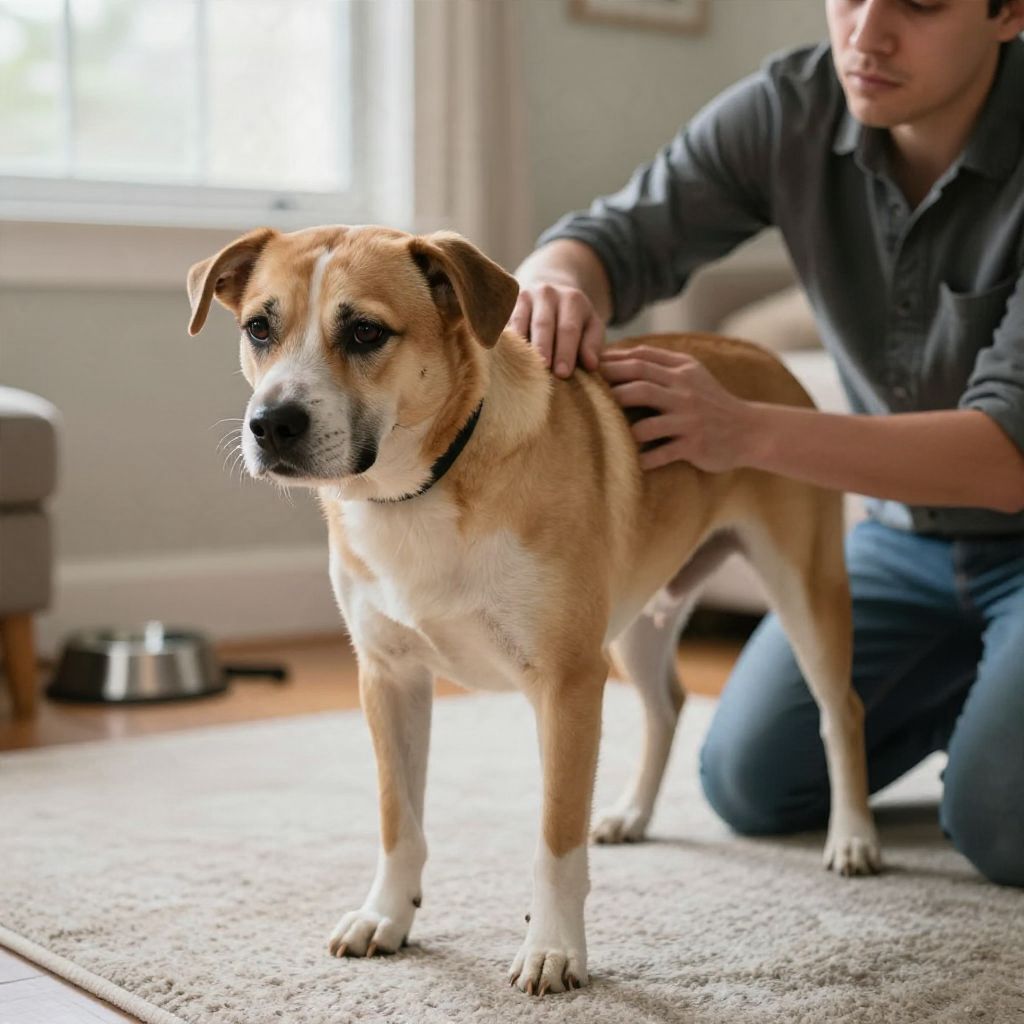
Why is my dog shaking and panting? It can happen from something mild, like stress, excitement, heat, or pain, but it can also signal an urgent medical problem. The key is to look at the whole picture: what your dog was doing, how long it has lasted, and whether other symptoms are present.
If the shaking and panting are new, severe, or paired with weakness, vomiting, collapse, or trouble breathing, contact a veterinarian right away. When in doubt, treat it as a health concern rather than a behavior quirk.
Why is my dog shaking and panting?
Shaking and panting together usually mean your dog is uncomfortable, overheated, anxious, in pain, or unwell. Some causes are temporary and mild, but others need urgent veterinary care. The most important clues are your dog’s age, activity level, temperature exposure, medical history, and any additional symptoms.
Common causes of shaking and panting in dogs
Stress, fear, or excitement
Many dogs pant and tremble when they are frightened, overstimulated, or highly excited. This may happen during thunderstorms, fireworks, car rides, vet visits, new visitors, or big changes at home.
If your dog otherwise seems normal and settles once the trigger passes, stress may be the cause. Still, repeated episodes can mean your dog needs help with anxiety management and desensitization.
Heat, overheating, or heatstroke
Panting is a dog’s main way to cool down, so heavy panting can be normal after exercise or in warm weather. Shaking can appear when a dog is overheated or starting to become distressed.
Heatstroke is an emergency. Signs can include frantic panting, bright red or pale gums, drooling, weakness, vomiting, diarrhea, confusion, or collapse. Move your dog to a cooler area and seek urgent veterinary help immediately.
Pain or injury
Dogs often pant when they are in pain, and trembling can happen with abdominal discomfort, joint pain, back pain, dental pain, or an injury you may not have noticed. Some dogs hide pain well, so shaking and panting may be the first visible signs.
Watch for limping, reluctance to move, a hunched posture, whining, licking a sore area, or sensitivity when touched. These signs warrant a veterinary exam.
Nausea or gastrointestinal upset
Dogs that feel sick to their stomach may pant, tremble, drool, lick their lips, or seem restless. This can happen with motion sickness, dietary indiscretion, pancreatitis, intestinal problems, or toxin exposure.
If vomiting, diarrhea, bloating, or refusal to eat is also present, your dog should be assessed by a veterinarian, especially if the signs are sudden or severe.
Fever or infection
A fever can make a dog pant and shake, especially if they seem lethargic or warm to the touch. Infections, inflammatory conditions, and some immune-related problems can all cause this pattern.
You cannot reliably confirm a fever by touch alone. If you suspect illness, especially with reduced appetite or low energy, contact your veterinarian. For more on this, see how to tell if your dog has a fever.
Low blood sugar or metabolic problems
Puppies, toy breeds, diabetic dogs, and dogs with certain medical conditions can develop shaking and panting from blood sugar changes or other metabolic issues. Weakness, wobbliness, confusion, or unusual sleepiness can appear alongside the tremors.
This is not something to monitor casually at home if your dog seems unwell. Prompt veterinary advice is important, especially for small dogs, puppies, or dogs with known health problems.
Toxin exposure or poisoning
Some toxins can cause trembling, panting, drooling, agitation, vomiting, or collapse. Common concerns include certain human foods, medications, chemicals, and plants.
If you suspect poisoning, call your veterinarian or an emergency poison resource immediately. Do not wait for symptoms to “pass,” and do not give home remedies unless a professional tells you to.
Medication side effects
Some prescribed or over-the-counter products can cause panting, restlessness, or tremors as side effects. This is more likely if a new medication was started recently or if your dog may have gotten into a human medicine.
Contact your veterinarian before giving any more doses. Bring the medication package with you if you need urgent care.
Age-related or breed-related factors
Older dogs may shake more because of arthritis, weakness, neurologic disease, or reduced ability to regulate temperature. Puppies may tremble from excitement, fatigue, low blood sugar, or illness.
Some dogs are naturally more reactive, sensitive, or prone to anxiety, but breed alone does not explain every case. Individual temperament, training history, and health matter just as much as breed tendencies.
When shaking and panting is an emergency
Seek urgent veterinary care now if your dog is shaking and panting with any of the following: collapse, trouble breathing, blue or very pale gums, bloated abdomen, repeated vomiting, severe diarrhea, seizure activity, inability to stand, extreme weakness, disorientation, or suspected toxin exposure.
Also treat it as urgent if your dog is very hot, has been in a hot car or hot outdoor environment, or is not improving quickly after resting in a cool place. When symptoms are severe, do not “watch and wait.”
What you can do right away
- Move your dog to a quiet, safe area away from heat, noise, or stimulation.
- Offer fresh water, but do not force drinking.
- Check for obvious injuries, swelling, limping, or signs of pain.
- Look at gum color and breathing effort. Pale, blue, or very dark gums are concerning.
- Think about recent triggers: heat, exercise, stress, new food, medication, or possible toxin exposure.
- If the shaking and panting continue, worsen, or come with any red flags, call a veterinarian promptly.
What not to do
- Do not assume it is “just anxiety” if your dog seems sick, weak, or painful.
- Do not give human pain relievers, cold medicine, or leftover medications.
- Do not use punishment to stop trembling or panting.
- Do not delay care if you suspect heatstroke, poisoning, or breathing trouble.
- Do not force exercise, food, or water if your dog is distressed.
If stress or fear seems to be the cause
When your dog is otherwise healthy and the episode clearly follows a trigger, focus on reducing stress and helping your dog recover. A calm environment, predictable routine, and gradual exposure to triggers can help many dogs over time.
Helpful management steps
- Provide a quiet room, crate, or covered resting space if your dog finds it comforting.
- Use white noise, closed curtains, or background music during fireworks or storms.
- Keep greetings calm and avoid overwhelming your dog with attention.
- Use reward-based training to build confidence around known triggers.
- Ask a certified trainer or veterinary behaviorist for help if anxiety is frequent or intense.
How age, size, and health history affect the answer
Not every dog with shaking and panting needs the same level of concern. A young, healthy dog that panted after a short burst of play may simply need rest and cooling down. An older dog with arthritis, a dog with diabetes, or a puppy with sudden trembling deserves a lower threshold for veterinary evaluation.
Small dogs may be more vulnerable to low blood sugar, while brachycephalic dogs or dogs with heart or airway disease may struggle more with panting. Your dog’s normal baseline matters, so changes from their usual behavior are important.
When to call your veterinarian even if it seems mild
Make an appointment if the shaking and panting happen repeatedly, last longer than expected, or seem to occur without an obvious trigger. Also call if your dog is eating less, acting withdrawn, drinking more or less than usual, or showing subtle signs of pain.
Persistent panting at rest is especially worth checking, because it can point to pain, fever, heart disease, respiratory problems, or other medical issues that are easy to miss early.
Bottom line
Why is my dog shaking and panting? The answer ranges from stress or excitement to pain, fever, overheating, toxin exposure, or another medical problem. If your dog has any red-flag symptoms, seek urgent veterinary care. If the cause is unclear or the episodes keep happening, schedule a vet visit soon.
If you want to compare symptoms, related reading on why your dog may be breathing heavy may also help you decide how urgent the situation is.