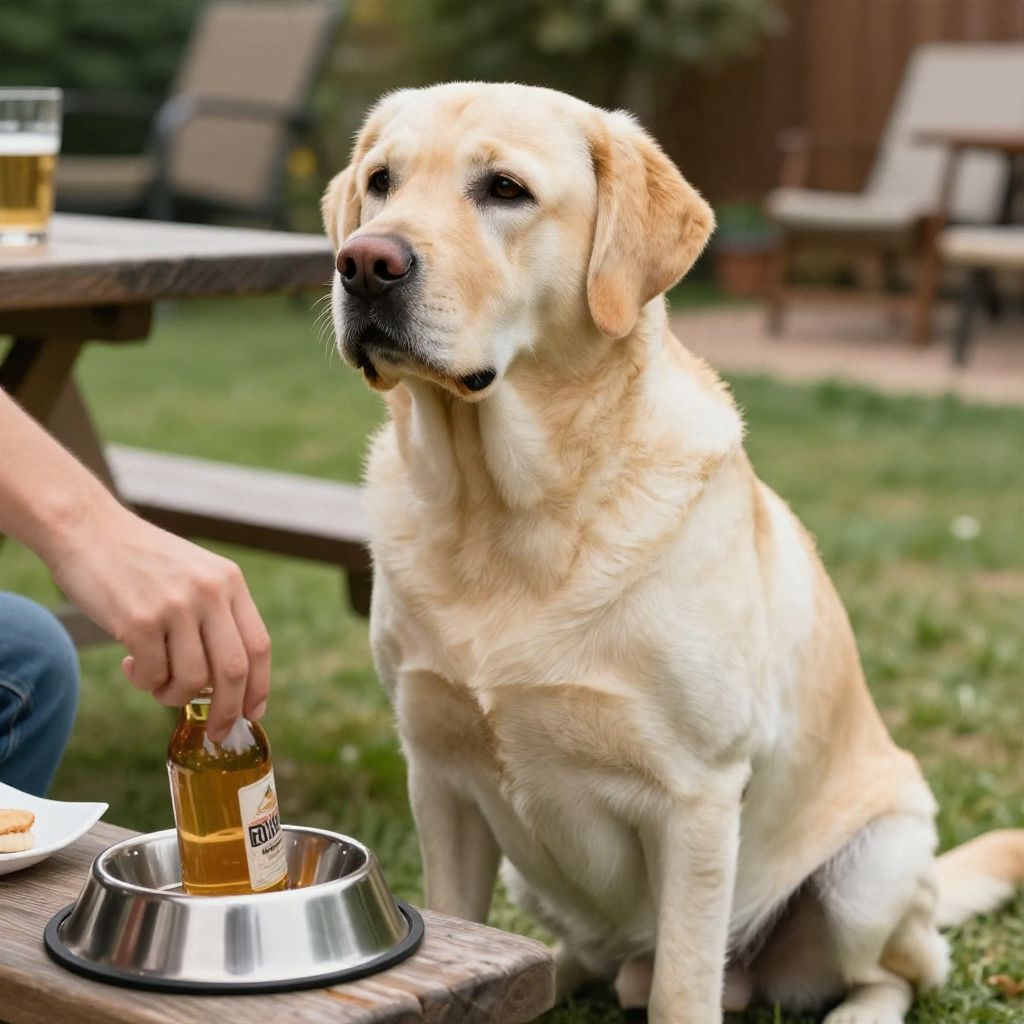
Can dogs drink beer? No—dogs should not drink beer. Even small amounts can cause problems because alcohol is toxic to dogs, and beer may also contain hops, carbonation, and other ingredients that can upset the stomach or become dangerous.
If your dog licked a little spilled beer, stay calm and watch closely. If your dog drank more than a tiny taste, or shows unusual behavior, contact your veterinarian or an emergency clinic right away.
Can Dogs Drink Beer?
No. Beer is not safe for dogs because it contains alcohol, which can poison them. Dogs are generally more sensitive to alcohol than people, and the effects can appear quickly, especially in small dogs, puppies, seniors, or dogs with other health problems.
Why Beer Is Dangerous for Dogs
Beer can harm dogs for several reasons, and alcohol is the biggest concern. Even a drink that seems “weak” to you can affect a dog’s nervous system, breathing, and coordination.
Alcohol poisoning risk
Alcohol can cause intoxication, low blood sugar, vomiting, slowed breathing, weakness, and in severe cases seizures, coma, or death. The risk depends on how much was consumed, how quickly, and your dog’s size and health.
Other beer ingredients can add risk
Beer may also contain ingredients that are unsafe for dogs in other forms, such as hops in some craft beers or added flavorings. Carbonation can contribute to stomach discomfort, bloating, and vomiting.
Signs Your Dog May Have Drunk Beer
Symptoms can show up soon after drinking or may worsen over time. Mild signs can become an emergency if your dog had more than a small lick or if they are very small.
- Vomiting or drooling
- Wobbliness or trouble standing
- Lethargy or unusual sleepiness
- Disorientation or acting “drunk”
- Tremors or shaking
- Slow breathing or trouble breathing
- Seizures
- Collapse or unresponsiveness
What to Do If Your Dog Drank Beer
Act quickly, but do not panic. The right next step depends on how much your dog drank, their size, and whether they are showing symptoms.
- Remove the beer so your dog cannot drink more.
- Check the amount if you can safely estimate it, including whether it was beer, a beer-based cocktail, or a flavored alcoholic drink.
- Watch for symptoms such as wobbliness, vomiting, or unusual sleepiness.
- Call your veterinarian or an emergency clinic for advice, especially if your dog is small, young, old, or has health issues.
- Go to urgent care immediately if your dog is having trouble breathing, has seizures, collapses, or becomes hard to wake.
Do not try unsafe home treatment
Do not induce vomiting unless a veterinarian specifically tells you to do so. Do not give food, milk, coffee, or human medications to “counteract” the beer. Those approaches can make things worse.
When Beer Exposure Is an Emergency
Seek urgent veterinary help right away if your dog has any of the following after drinking beer:
- Difficulty breathing
- Seizures or severe tremors
- Collapse or inability to stand
- Repeated vomiting
- Very slow, shallow, or abnormal breathing
- Blue, pale, or gray gums
- Extreme weakness or unresponsiveness
If you are unsure whether the amount was dangerous, it is safer to call. Dogs can deteriorate quickly, and early treatment is much more effective than waiting for symptoms to worsen.
Does Size, Age, or Breed Matter?
Yes. The same amount of beer can affect dogs very differently depending on body size, age, and overall health. Smaller dogs generally face higher risk from the same exposure because alcohol is concentrated in a smaller body.
Puppies and senior dogs
Puppies are especially vulnerable because their bodies are still developing. Senior dogs may also be at greater risk if they have liver disease, kidney disease, diabetes, heart problems, or take medications that make them more sensitive to toxins.
Breed differences are not guarantees
Some dogs may seem more curious, food-motivated, or likely to steal drinks, but breed alone does not determine safety. Individual temperament, training, and access matter more than stereotypes. Any dog can drink beer if it is left within reach.
Can Dogs Have Non-Alcoholic Beer?
Non-alcoholic beer is not automatically safe. Some products still contain a small amount of alcohol, and many include hops, sweeteners, or flavorings that may upset your dog’s stomach. It is best not to give beer, alcoholic or not, as a treat.
If you want a special beverage for your dog, choose a product specifically made for dogs and approved by your veterinarian if your dog has a medical condition. Plain fresh water is always the safest choice.
What About Beer-Flavored Foods or Treats?
Beer-flavored snacks made for people are not a good choice for dogs. They may contain alcohol, onion or garlic powder, excess salt, or other ingredients that do not belong in a dog’s diet.
If a dog treat is marketed for pets, still read the label carefully. Even pet products should fit your dog’s health needs, especially if your dog has allergies, pancreatitis, obesity, or a sensitive stomach.
How to Prevent Beer Accidents
Prevention is usually simple, but it requires consistency. Dogs are opportunistic and may drink from unattended cups, cans, bottles, or spilled puddles.
- Keep drinks out of reach on tables, counters, and outdoor surfaces.
- Dispose of cans, bottles, and cups promptly.
- Clean up spills right away, especially at gatherings.
- Use a leash or crate if you are hosting and your dog tends to counter-surf.
- Ask guests not to offer your dog any alcohol.
Safer Alternatives for a Dog-Friendly Celebration
If you want your dog to join the fun, give them something safe instead of beer. A calm routine, a chew, or a dog-safe treat can make the experience enjoyable without risk.
- Fresh water in a clean bowl
- Dog-safe treats in small amounts
- A stuffed food toy with your dog’s regular diet
- A quiet resting area away from crowds and dropped food
For dogs that get overstimulated around gatherings, a separate room or crate with water and a familiar bed can help them relax. The goal is comfort and safety, not forcing them to participate.
What a Veterinarian May Do
If your dog drank beer and needs medical care, your veterinarian may assess your dog’s vital signs, check blood sugar, and provide supportive treatment. The exact care depends on the amount ingested, the time since exposure, and your dog’s symptoms.
Prompt veterinary attention matters because alcohol poisoning can worsen quickly. The earlier your dog is evaluated, the better the chance of preventing serious complications.
Bottom Line
Dogs should not drink beer. Alcohol is toxic to dogs, and even a small amount can be risky for puppies, small dogs, or dogs with health problems. If your dog drank beer, call your veterinarian promptly, and seek emergency help if there are any severe symptoms.