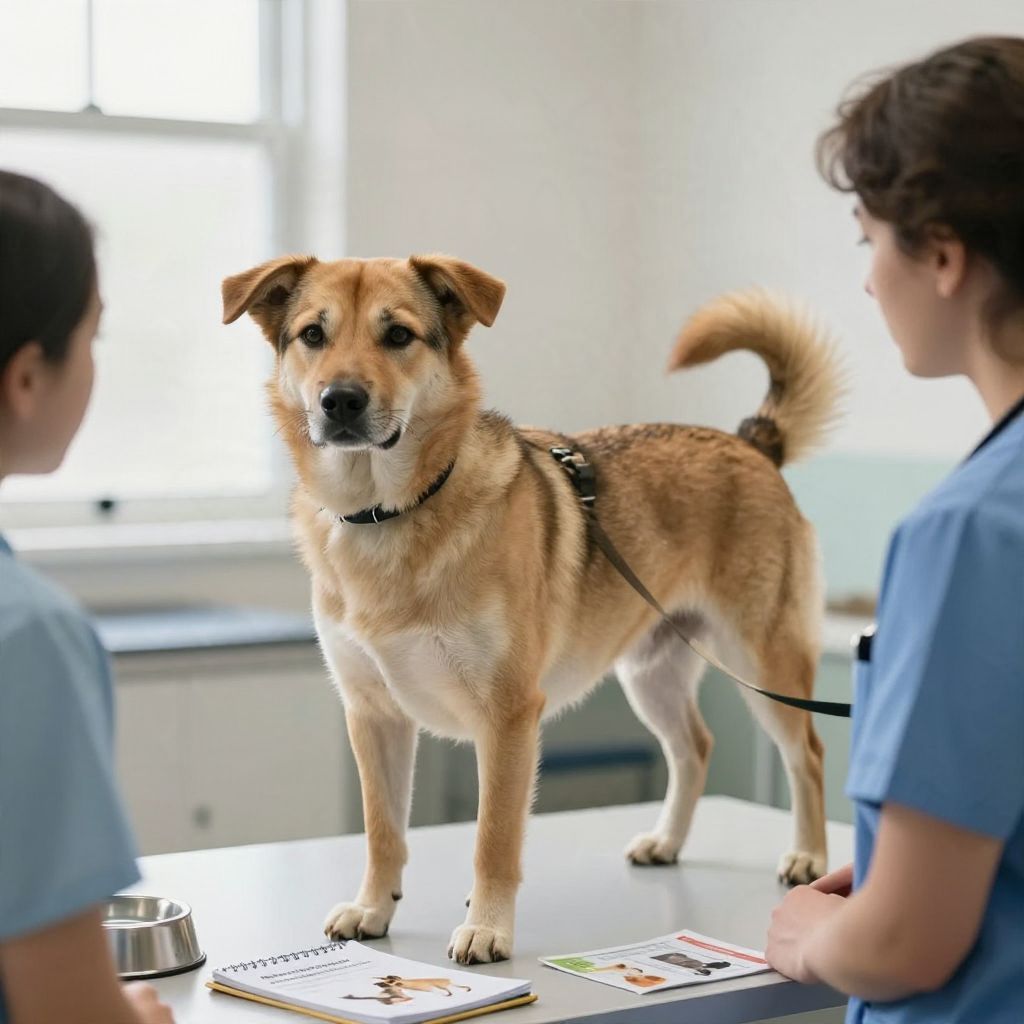
If you’re asking, “What does dog taste like?” the safest and most useful answer is that dog meat is not something people should seek out or eat. In many places it is illegal, and from a food-safety perspective it raises serious concerns about disease, handling, and animal welfare.
People sometimes ask this question out of curiosity, culture, or confusion about the phrase. If your real concern is whether dogs can eat certain human foods, or whether a dog has eaten something unsafe, the guidance below will help you make safer decisions.
What does dog taste like?
Dog meat is often described by people who have eaten it as similar to a strong, gamey red meat, but taste reports vary widely and are not a reason to consume it. The exact flavor would depend on the animal’s diet, age, health, preparation, and cooking method, but legal, ethical, and safety concerns make it an inappropriate food choice.
Why this question matters
When people ask what dog tastes like, they may be looking for one of several things: a literal food question, a cultural reference, or confusion about whether dog-related products are safe. It’s important to separate curiosity from practical dog care.
- If you mean eating dog meat: focus on legality, ethics, and food safety.
- If you mean “Can dogs eat this food?”: the answer depends on the ingredient and preparation.
- If your dog ate something unusual: you may need veterinary advice right away.
Is dog meat safe to eat?
In general, dog meat is not considered a safe or appropriate food choice. Risks include poor handling, contamination, parasites, and disease exposure, especially if the source, storage, and preparation are unknown. In addition, laws and animal-welfare rules vary by location, so this is not just a nutrition question.
Food-safety concerns
- Unknown disease status of the animal
- Improper slaughtering or storage
- Bacterial contamination from unsafe handling
- Possible parasite exposure
- Cross-contamination in kitchens or markets
If you have eaten any meat from an unverified source and develop vomiting, diarrhea, fever, or severe stomach pain, seek medical advice promptly.
Does the taste vary by breed, age, or diet?
Any reported differences would likely depend more on individual factors than on breed labels alone. Diet, age, body condition, stress, and how the meat is prepared can all affect flavor in any animal. That said, this does not make it a safe, ethical, or recommended food.
What can change flavor in general meat?
- Diet: what the animal eats can influence flavor and fat content
- Age: older animals may taste stronger or tougher
- Fat level: fattier meat often tastes richer
- Cooking method: roasting, stewing, or grilling changes flavor and texture
- Handling: poor storage can create off-flavors and safety risks
What should you do if you were asking about dog food instead?
If your real question is whether your dog can eat human food, the answer depends on the food. Some foods are safe in plain, small amounts, while others are dangerous or toxic. Never assume that “natural” or “small amounts” makes a food safe.
Foods that are commonly unsafe for dogs
- Chocolate
- Grapes and raisins
- Onions, garlic, chives, and leeks
- Xylitol or birch sugar in sugar-free products
- Alcohol
- Caffeine
- Cooked bones, especially splintering bones
- Very fatty foods that can trigger digestive upset
Foods that may be safe in plain form
- Small pieces of plain cooked chicken or turkey
- Plain cooked rice
- Some dog-safe vegetables, such as carrots or green beans
- Some fruits, such as apple slices without seeds
Even safe foods should only be treats, not a replacement for a complete and balanced dog diet.
If your dog ate something questionable, watch for warning signs
If the concern is your dog’s health, the main question is not “What does dog taste like?” but “Did my dog eat something unsafe?” Signs can range from mild stomach upset to a true emergency.
Call your veterinarian soon if you notice
- Vomiting or diarrhea that does not quickly improve
- Loss of appetite
- Lethargy or unusual weakness
- Drooling more than usual
- Abdominal discomfort
- Repeated gagging or retching
Seek urgent veterinary care immediately for
- Difficulty breathing
- Collapse or inability to stand
- Seizures
- A swollen or painful abdomen
- Blood in vomit or stool
- Suspected poisoning
- Choking or trouble swallowing
Do not try to force vomiting unless a veterinarian or poison-control professional specifically instructs you to do so.
Why people should avoid casual or unsafe meat sources
Any meat from an unknown source can carry safety risks, but dog meat raises additional concerns because of how and where it may be obtained. If food is not processed under reliable inspection and hygiene standards, you cannot assess its safety by appearance, smell, or taste alone.
- Safe food handling matters as much as the ingredient itself
- Improperly stored meat can cause foodborne illness
- Cross-contamination can spread bacteria to kitchens and utensils
- Ethical and legal issues may apply depending on location
Common misunderstandings about the question
Sometimes the phrase “What does dog taste like?” is used in jokes, online trends, or misunderstandings about pet food. It helps to clarify the context before giving advice.
If someone is joking or being provocative
You do not need to engage with unsafe or graphic food challenges. Keep the conversation focused on animal welfare and food safety.
If a child asks the question
A simple, calm answer is best: people do not eat dogs, and dogs are companions and family members. If the child is really asking about what dogs can eat, explain which foods are safe and which are not.
How to keep your dog safe around food
Prevention is easier than treating a food-related emergency. A few household habits can lower the risk of accidental ingestion and digestive upset.
- Keep human food out of reach.
- Store trash securely.
- Do not leave plates unattended.
- Teach a reliable “leave it” cue using reward-based training.
- Share a list of unsafe foods with everyone in the home.
- Ask your veterinarian before offering new treats or table scraps.
When to ask a veterinarian or poison-control professional
Contact a veterinarian if your dog has eaten something unknown, especially if it may contain toxic ingredients, bones, seasoning, or spoiled meat. If you are unsure whether a food is safe, it is better to ask than to guess.
Get help quickly if your dog is a puppy, senior, very small, or has a medical condition such as diabetes, pancreatitis, or kidney disease, because these dogs may be more vulnerable to dietary problems.
Bottom line
What does dog taste like is not a question with a useful or safe food answer for most readers. The practical takeaway is to avoid dog meat, keep your own dog away from unsafe foods, and contact a veterinarian promptly if your dog eats something questionable or shows any red-flag symptoms.