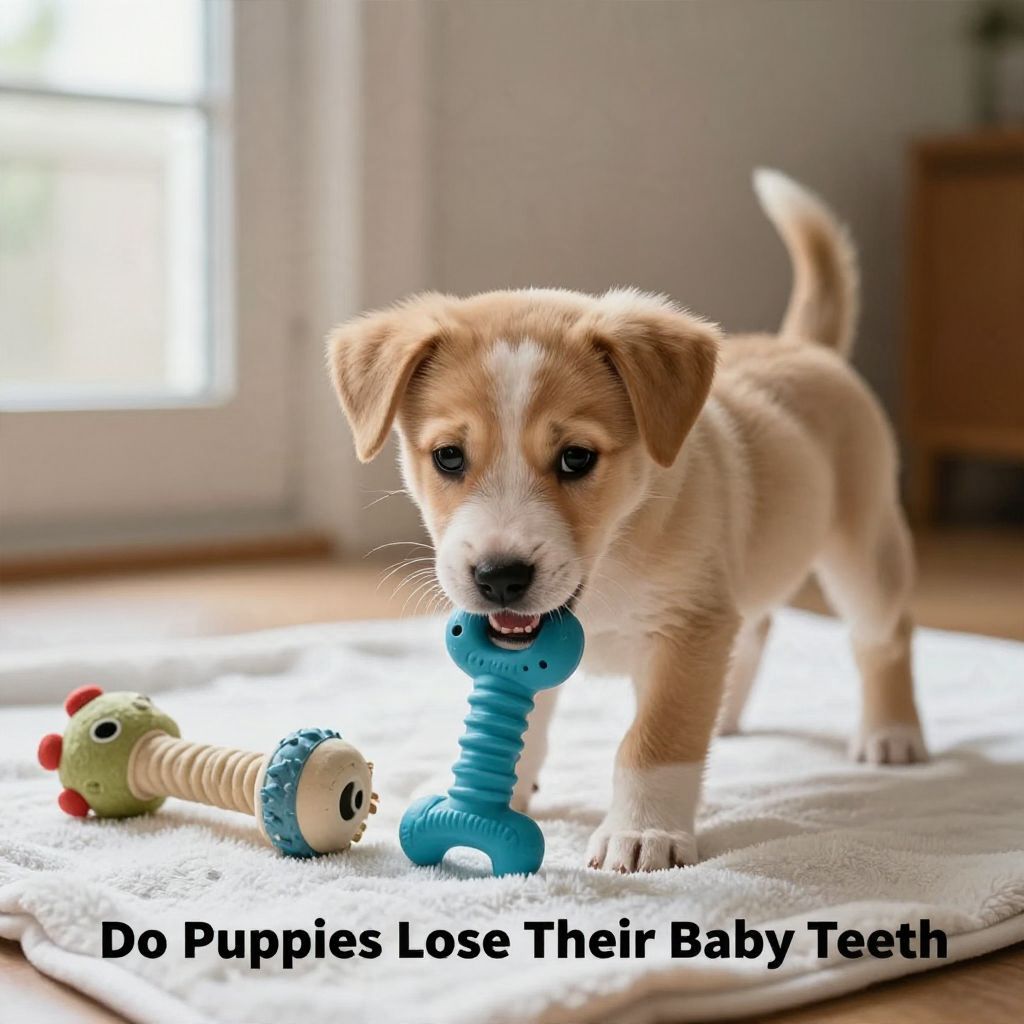
If you’re wondering, “Do puppies lose their baby teeth?” the answer is yes. Most puppies begin teething around 3 to 4 months old, and their baby teeth are gradually replaced by adult teeth over the next few months.
This is a normal part of development, but it can cause sore gums, chewing, and a little bleeding. Knowing what to expect helps you keep your puppy comfortable and spot problems early.
Do puppies lose their baby teeth?
Yes. Puppies lose their baby teeth as their adult teeth come in, usually starting around 3 to 4 months of age and finishing by about 6 to 7 months. The process is normal, but retained baby teeth, pain, or swelling can sometimes need a veterinarian’s attention.
What the teething process looks like
Puppies are born without visible teeth, then get a full set of baby teeth before those are replaced by permanent teeth. The timing can vary a bit by individual puppy, breed size, and overall development.
Common signs your puppy is teething
- Chewing on toys, furniture, or hands more than usual
- Drooling or a slightly pink tinge on toys from mild gum bleeding
- Whining or fussiness when chewing
- Small teeth on the floor, in bedding, or in toys
- Bad breath that is mild and temporary
Some puppies show only a few of these signs, while others seem much more uncomfortable. The amount of chewing or irritability can depend on the puppy’s pain tolerance and what is happening in the mouth.
When do baby teeth fall out?
Baby teeth usually start loosening and falling out as adult teeth push through the gums. The front teeth often go first, followed by the canines and premolars, with the back teeth coming later.
You may never find the lost teeth because puppies often swallow them while eating or playing. That is usually harmless.
How to help a teething puppy feel better
Teething is uncomfortable, but you can make it easier with safe, simple support. The goal is to soothe sore gums and redirect chewing to appropriate items.
- Offer safe chew toys. Choose puppy-appropriate toys that are sized correctly and not hard enough to damage teeth.
- Use chilled toys. A cold, damp washcloth or a refrigerated teething toy may help soothe gums.
- Supervise chewing. Watch your puppy to prevent swallowing pieces or chewing unsafe objects.
- Redirect gently. If your puppy chews hands, furniture, or clothing, calmly trade for an approved toy.
- Keep a routine. Predictable play, naps, and potty breaks can reduce crankiness during teething.
Reward-based training works best. Praise your puppy for choosing an appropriate chew and avoid punishment, which can increase stress and make mouth-related behavior worse.
What to avoid during teething
Some common “solutions” can actually cause injury. A puppy’s mouth is delicate, and not every chew is safe just because it is marketed for dogs.
- Very hard chews that can crack teeth
- Small toys that can be swallowed
- Rawhide or other chews that may splinter, swell, or be hard to digest
- Human pain medicines unless specifically prescribed by your veterinarian
- Rough play that encourages biting hands or clothing
If you are unsure whether a chew is safe, ask your veterinarian. Safety depends on your puppy’s size, chewing style, and how closely you can supervise.
When teething is normal and when it is not
Most puppies have some mild discomfort, but certain signs suggest a problem beyond routine teething. These issues can happen in any puppy, though some individuals are more prone to retained baby teeth or mouth irritation.
Call your veterinarian soon if you notice:
- A baby tooth that stays in place while the adult tooth is already coming in
- Swollen, very red, or bleeding gums
- Refusal to eat or drink
- Drooling that seems excessive or persistent
- Bad breath that is strong or worsening
- Loose teeth after the teething stage ends
Seek urgent veterinary care if your puppy has:
- Facial swelling
- Bleeding that does not stop
- A broken tooth with pain or visible pulp
- Difficulty breathing or swallowing
- Sudden severe pain, distress, or inability to eat
These signs are not typical teething and may point to injury, infection, or another dental problem that needs prompt treatment.
What are retained baby teeth?
Sometimes a baby tooth does not fall out when it should, even after the adult tooth starts erupting. This is called a retained baby tooth, and it can crowd the mouth or trap food and plaque.
Retained teeth are more common in some small dogs, but they can happen in any puppy. A veterinarian may recommend monitoring or removal, depending on the tooth and the bite alignment.
How teething affects training and behavior
Teething can temporarily change how your puppy behaves. A normally playful puppy may become mouthier, more distracted, or less tolerant of handling when the gums are sore.
Helpful training adjustments
- Keep sessions short and positive
- Use soft treats or part of the regular meal for rewards
- Practice gentle handling in brief, calm moments
- Teach “leave it” and “drop it” with rewards, not force
- Provide planned rest so overtired puppies do not chew more
If biting seems intense, painful, or out of proportion, do not assume it is only teething. A veterinarian or qualified trainer can help you separate normal puppy mouthing from a behavior or medical issue.
Feeding and nutrition during teething
Most puppies can keep eating their normal balanced puppy food during teething. If chewing seems uncomfortable, you can soften kibble slightly with water or offer the meal in a way that makes it easier to eat.
Do not switch to unbalanced home diets or rely on treats to “help” with teething. Good nutrition supports growth, but it does not replace proper dental care or veterinary guidance if your puppy is in pain.
How to protect your puppy’s future teeth
Healthy habits during the teething stage can support lifelong dental health. Gentle handling now also makes future tooth brushing and oral exams much easier.
- Introduce tooth brushing gradually once your puppy is comfortable
- Use dog-safe toothpaste only
- Schedule regular veterinary checkups
- Watch for crowding, misalignment, or persistent baby teeth
- Choose chew toys that are appropriate for your puppy’s mouth
Early dental care matters because small issues can become bigger problems if they are ignored. A quick mouth check during routine vet visits can catch concerns before they affect eating or comfort.
Frequently asked questions about puppy teething
Do all puppies lose their baby teeth?
Yes, puppies normally lose their baby teeth as adult teeth come in. The exact timing can vary, but the overall process is expected in healthy puppies.
Is it normal to find puppy teeth?
Yes. You may find tiny teeth, but many puppies swallow them without any issue. Finding a tooth is not necessary for teething to be normal.
Can teething make my puppy bite more?
Yes. Sore gums and the urge to chew can increase mouthing and biting. Redirecting to safe chews and rewarding calm behavior usually helps.
Should I pull out a loose puppy tooth?
No. Never pull a tooth yourself. If a tooth seems stuck, painful, or abnormal, ask your veterinarian to examine it.
Bottom line
Do puppies lose their baby teeth? Yes, and it is a normal part of growing up. Most puppies teethe between 3 and 7 months, and your job is to keep them comfortable, supervise chewing, and watch for signs that need veterinary care.
If you want to learn more about the teething stage, you may also find these helpful: when puppies start teething and how to clean dogs’ teeth.