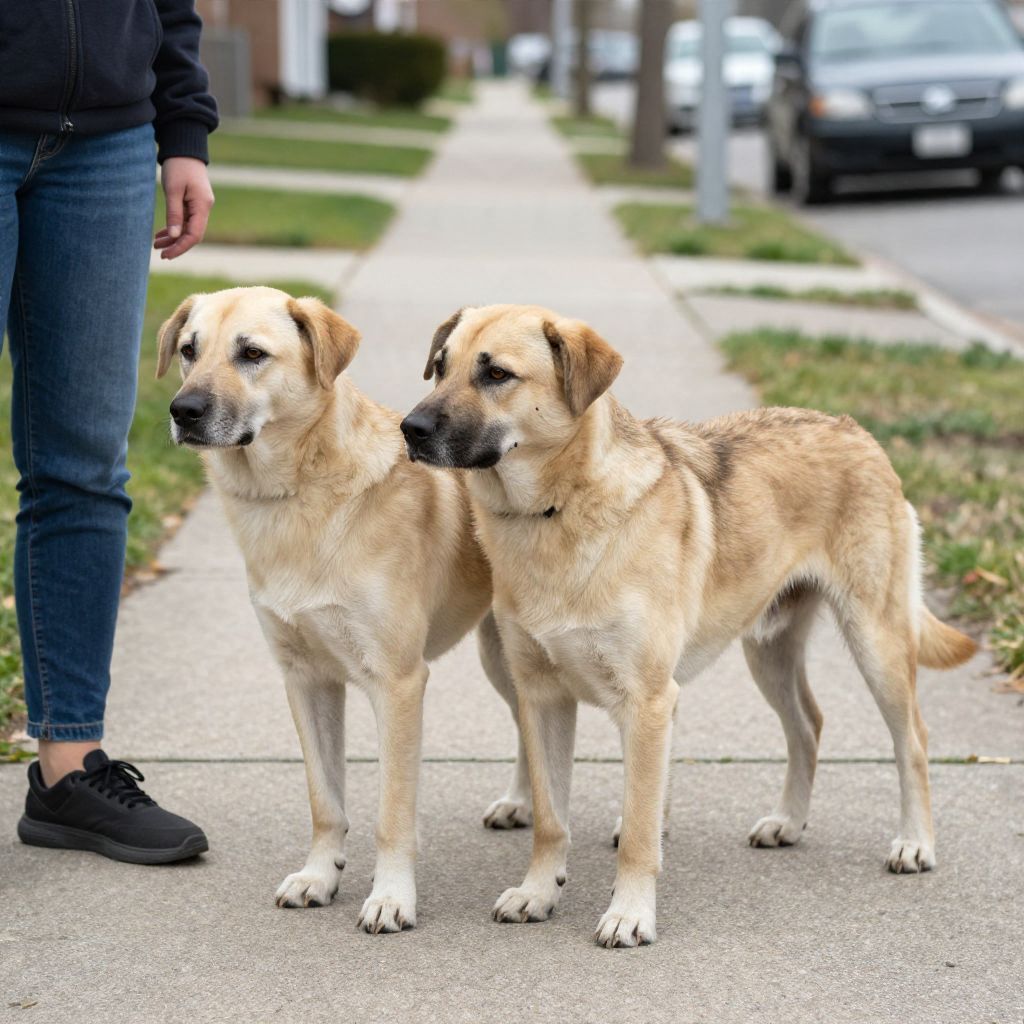
Why do dogs get stuck together? It usually happens during mating when the male’s penis swells inside the female’s vagina, creating a temporary “tie.” This is normal canine anatomy, and trying to separate them can injure both dogs.
If you see dogs stuck together, stay calm, keep them quiet, and give them space. The tie usually ends on its own within a few minutes, though it can sometimes last longer. If either dog seems distressed, painful, or injured, contact a veterinarian right away.
Why do dogs get stuck together?
Dogs get stuck together because of a normal part of mating called a copulatory tie. After penetration, the male’s bulbus glandis swells, and the female’s vaginal muscles help hold the pair together briefly. This is expected behavior in intact dogs and is not something you should force apart.
What is happening during a dog tie?
During mating, the male may mount, penetrate, and then remain physically attached to the female. The dogs may turn so they are standing rear-to-rear while the tie resolves.
This can look alarming, but it is usually a normal reproductive event. The tie helps sperm transfer, and the dogs will separate naturally once the swelling goes down.
How long does it last?
The tie often lasts a few minutes, but timing varies. Some dogs separate sooner, while others remain attached longer. The exact duration depends on the dogs involved, their age, behavior, and whether they stay calm.
What you should do if dogs get stuck together
Your main job is to keep both dogs safe and reduce stress. Do not pull, twist, or pour anything on them in an attempt to separate them.
- Stay calm and move people, children, and other pets away.
- Keep the dogs quiet and prevent sudden movement.
- Support the dogs if needed so they do not panic and lunge.
- Wait for the tie to end naturally.
- Watch for bleeding, severe distress, or obvious injury after separation.
Never try to force the dogs apart. Pulling can tear tissue, cause pain, or injure the penis, vagina, or surrounding structures.
When is it an emergency?
Most ties resolve without a problem, but some situations need urgent veterinary help. Call a veterinarian right away if you notice any of the following:
- Heavy bleeding from either dog
- Severe pain, collapse, or extreme panic
- One or both dogs cannot stand normally after separation
- Swelling that does not go down or looks excessive
- Signs of trauma, such as limping or persistent crying
- The dogs remain stuck far longer than expected and appear distressed
If the female is very young, very small, or not physically mature, the risk of injury can be higher. A veterinarian should assess any dog that seems hurt after a mating tie.
Why dogs get stuck together: common causes and situations
Although mating is the most common reason, there are a few related situations that can make the event more likely or more confusing to owners.
Intact dogs reaching sexual maturity
Unneutered males and unspayed females are the dogs most likely to experience a tie. Once dogs are sexually mature, mating behavior can happen quickly if they are left unsupervised.
Accidental mating
Even brief, unsupervised contact can lead to a tie. This is why secure fencing, closed doors, and careful supervision matter when dogs in heat are around intact males.
Excitement or mounting behavior
Some dogs mount other dogs during play, stress, or overexcitement. Mounting alone does not always mean mating, but if penetration occurs, a tie can follow.
Breed, size, age, and temperament differences
Any intact dog can tie, but the likelihood of mating behavior varies with individual temperament, training, and social management. Size differences may also make the situation harder to manage safely, especially if one dog is much larger or more anxious.
What not to do
Owners sometimes make well-intentioned mistakes when they panic. Avoid these actions:
- Do not pull the dogs apart
- Do not shout, hit, or punish either dog
- Do not use ice, water, oils, or household products to separate them
- Do not let children try to help
- Do not assume the dogs are “fine” if they seem quiet but are still attached
Gentle handling and patience are safer than any forceful attempt to break the tie.
What happens after the dogs separate?
After separation, both dogs may seem confused, tired, or restless. That can be normal, but you should still check for injury and monitor them closely for the next several hours.
Watch for these signs after a tie
- Persistent licking of the genital area
- Blood in the urine or from the penis/vulva
- Difficulty walking or sitting
- Swelling that worsens instead of improving
- Ongoing pain, whining, or hiding
If anything looks abnormal, contact your veterinarian. Even if the tie itself ended normally, a dog can still have a tear or other injury that needs care.
How to prevent dogs from getting stuck together
Prevention is the safest approach, especially if you have intact dogs in the home or in the same neighborhood.
- Supervise dogs closely when one is in heat
- Separate intact males and females during fertile periods
- Use secure leashes, crates, or barriers when needed
- Do not rely on visual supervision alone in a yard with weak fencing
- Discuss spaying or neutering with your veterinarian if appropriate for your dog
Spaying and neutering are not right for every dog at every age, so ask your veterinarian about timing, health considerations, and breed-specific factors before making a decision.
Can puppies get stuck together?
Very young puppies should not be mating, so if you think puppies are involved, contact a veterinarian immediately. What looks like a tie may actually be another medical or behavioral issue, such as a skin or genital injury, a stuck collar, or two dogs tangled together.
Never assume a puppy’s situation is normal. Young dogs need prompt veterinary attention if they appear trapped, painful, or unable to move normally.
How to tell a tie from other problems
Sometimes owners mistake a tie for a minor physical snag or a dog that is simply refusing to move. The difference matters because the right response is not the same.
- Normal tie: the dogs are attached after mating and may stand rear-to-rear.
- Tangled leashes or harnesses: the dogs are physically caught on equipment, not anatomically attached.
- Injury or pain: the dog cries, limps, bleeds, or cannot settle.
- Mounting without tie: the dogs may be humping or mounting, but no attachment occurs.
If you are unsure which situation you are seeing, keep the dogs calm and call a veterinarian for guidance.
Related behavior note: mounting is not always mating
Dogs may mount other dogs during play, excitement, stress, or social conflict. This behavior can happen in males or females and does not always mean reproduction is involved.
If mounting is frequent, disruptive, or causing tension between dogs, focus on management and reward-based training. Redirect calmly, give the dogs breaks, and seek help from a qualified trainer or veterinary behaviorist if needed.
When to call your veterinarian
Call your veterinarian if the dogs seem injured, if the tie was unusually long, or if you are worried about pregnancy risk and next steps. A vet can also help you understand whether spaying, neutering, or better separation strategies make sense for your situation.
If the dogs are stuck together and you see severe pain, heavy bleeding, collapse, or obvious trauma, treat it as an urgent problem and seek immediate veterinary care.
For more help with related dog behavior questions, you may also find why female dogs hump and why a girl dog humps a boy dog useful reading.
In most cases, dogs get stuck together because of a normal mating tie, and the safest response is simple: stay calm, do not pull, and let them separate naturally. If anything looks painful, bloody, or unusual afterward, contact your veterinarian promptly.