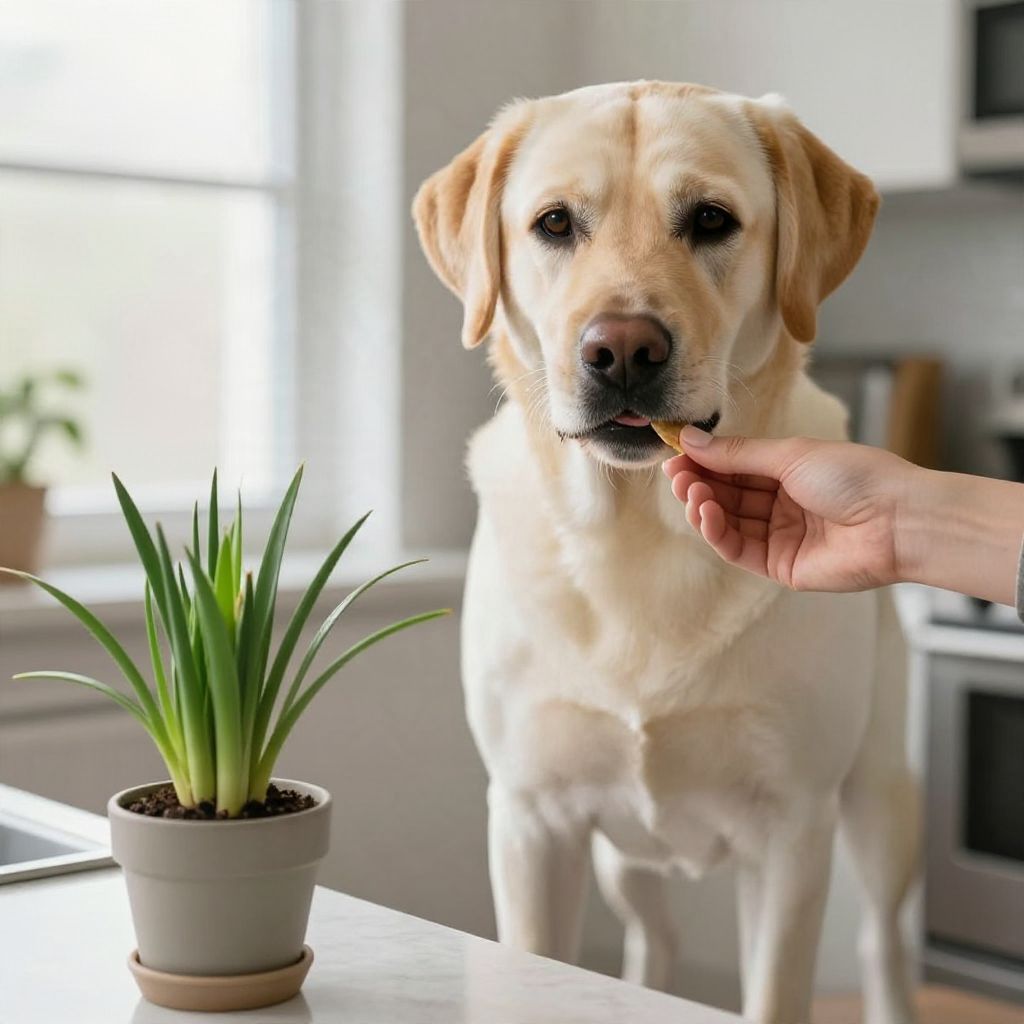
Is lemongrass safe for dogs? In small, controlled amounts, lemongrass is not usually considered highly toxic, but the plant and its concentrated oils can still cause problems for dogs. The main concern is not “seasoning” in food so much as exposure to essential oils, large amounts of plant material, or products containing lemongrass extract.
If your dog ate lemongrass, the right response depends on the form, amount, and your dog’s size and health. Mild stomach upset may pass, but vomiting, drooling, weakness, or trouble breathing need prompt veterinary advice.
Is Lemongrass Safe For Dogs?
Lemongrass is generally not a common household toxin for dogs, but it is not something to assume is automatically safe. Small accidental nibbles may only cause mild stomach upset, while concentrated lemongrass oil, sprays, or large plant amounts can irritate the mouth, stomach, or nervous system and should be treated seriously.
What Makes Lemongrass a Concern for Dogs?
Lemongrass can be found in gardens, teas, cooking, candles, sprays, and essential oils. The risk changes a lot depending on how your dog encountered it.
Plant material
Chewing fresh or dried lemongrass may cause drooling, gagging, vomiting, or diarrhea, especially if your dog swallowed fibrous pieces that are hard to digest. Some dogs may also simply dislike the taste and stop after a small bite.
Essential oils and concentrated products
Essential oils are much more concentrated than the plant itself. Even small exposures can irritate a dog’s mouth, skin, or stomach, and some dogs may become unsteady or unusually sleepy after exposure. Never apply essential oils to your dog unless a veterinarian specifically tells you to do so.
Food and drinks flavored with lemongrass
Human foods and beverages containing lemongrass may also include ingredients that are unsafe for dogs, such as onion, garlic, xylitol, alcohol, or heavy seasoning. The full ingredient list matters more than the lemongrass alone.
What Happens If a Dog Eats Lemongrass?
Many dogs that eat a small amount of lemongrass only develop mild digestive upset, if any. Still, you should watch closely because individual dogs vary by size, age, and health status. Puppies, toy breeds, seniors, and dogs with sensitive stomachs may react more strongly than healthy adult dogs.
- Mild drooling
- Gagging or lip licking
- Vomiting
- Loose stool or diarrhea
- Temporary reduced appetite
If your dog ate a larger amount, swallowed sharp fibrous stems, or had access to concentrated oil, the risk rises. In those cases, contact your veterinarian or an emergency clinic for guidance.
When Lemongrass Exposure Is an Emergency
Some signs mean you should not wait to “see how it goes.” Get urgent veterinary help right away if your dog has any of the following after lemongrass exposure:
- Repeated vomiting or vomiting that won’t stop
- Difficulty breathing, coughing, or wheezing
- Collapse, severe weakness, or trouble standing
- Tremors, seizures, or marked wobbliness
- Swelling of the face, lips, or tongue
- Extreme drooling or obvious mouth pain
- Blood in vomit or stool
If your dog may have inhaled or licked essential oil, the situation can become urgent quickly. Call a veterinarian immediately and follow their instructions.
What To Do If Your Dog Ate Lemongrass
Stay calm and gather details before you call. The form of lemongrass exposure helps your veterinarian decide how concerned to be.
- Remove the plant or product so your dog cannot eat more.
- Check whether it was fresh lemongrass, dried herb, tea, or essential oil.
- Estimate how much may have been eaten or licked.
- Look for symptoms such as vomiting, drooling, or lethargy.
- Call your veterinarian, especially if your dog is small, young, elderly, or already ill.
Do not try home treatments unless a veterinarian tells you to. If your dog is having symptoms, is very small, or may have ingested essential oil, professional advice is the safest next step.
Can Dogs Eat Lemongrass in Food?
In tiny amounts, plain lemongrass used as a flavoring is not usually the main problem. The bigger issue is whether the food itself is safe and whether the lemongrass is in a form your dog can digest comfortably.
- Plain, minimally used herb: may be less concerning in very small amounts
- Large pieces of stalk: harder to chew and digest
- Essential oil or extract: much more concentrated and risky
- Seasoned human food: may contain unsafe ingredients beyond lemongrass
Even if a food contains a little lemongrass, it should never replace a complete and balanced dog diet. Treats and table scraps should stay limited and appropriate for your dog’s overall nutrition.
Is Lemongrass Safe for Puppies, Senior Dogs, or Dogs With Health Problems?
Age and health matter. Puppies are more likely to get into things and may be more sensitive to stomach upset, while senior dogs and dogs with liver, kidney, or gastrointestinal disease may have less reserve if they become ill.
Dogs with a history of pancreatitis, frequent vomiting, food sensitivities, or swallowing foreign material should be monitored more carefully. If your dog falls into one of these groups, it is smart to be extra cautious with any new herb, seasoning, or essential oil exposure.
Why size matters
A small dog can be affected by a much smaller amount than a large dog. That does not mean large dogs are safe to eat more; it only means the same exposure may hit a smaller dog harder.
How To Keep Your Dog Safe Around Lemongrass
Prevention is the easiest way to avoid a stressful vet call. If you grow lemongrass or use products that contain it, simple management steps can help.
- Keep potted lemongrass and garden plants out of reach.
- Store essential oils, diffusers, and sprays securely.
- Do not let your dog chew on stalks or fallen leaves.
- Read labels on teas, treats, and human foods before sharing.
- Use dog-safe enrichment instead of letting your dog sample herbs from the kitchen.
If you use a diffuser, make sure your dog can leave the room and that the area is well ventilated. Some dogs are more sensitive to airborne scents than others, especially if they have asthma-like or respiratory issues.
Common Mistakes Dog Owners Make
Most problems happen when people assume “natural” means harmless. That is not always true for dogs.
- Assuming essential oils are safe because they are plant-based
- Giving table scraps without checking the full ingredient list
- Waiting too long after vomiting or drooling starts
- Using internet home remedies instead of calling a vet
- Forgetting that small dogs can react more strongly to the same exposure
Another common mistake is trying to make your dog “tough it out.” If symptoms are present, it is better to get professional guidance early than to guess.
How Vets May Approach Lemongrass Exposure
Your veterinarian will usually ask what form of lemongrass was involved, how much may have been eaten or licked, and whether your dog has symptoms. They may recommend observation, an exam, or additional care depending on the exposure and your dog’s condition.
If essential oil was involved, the vet may be more concerned about irritation, inhalation, or systemic effects. If your dog swallowed plant material, they may also consider the risk of stomach upset or a blockage if large fibrous pieces were eaten.
When It May Be Safe to Monitor at Home
Home monitoring may be reasonable only when the exposure was small, your dog is acting normal, and your veterinarian agrees. In that situation, keep a close eye on appetite, energy, stool, and vomiting for the rest of the day and overnight.
However, if your dog’s behavior changes, symptoms worsen, or you are unsure how much was eaten, call your vet rather than waiting. It is always safer to ask early than to miss a developing problem.
Bottom Line
So, is lemongrass safe for dogs? Small accidental exposures to the plant are often less serious than many owners fear, but lemongrass essential oils and concentrated products can be risky, and any exposure can cause stomach upset in some dogs. Keep it out of reach, avoid essential oil use around pets, and call your veterinarian if symptoms appear.
If you want to compare related safety questions, you may also find can dogs have lemon juice helpful, along with is lavender toxic to dogs for another common plant-based concern.