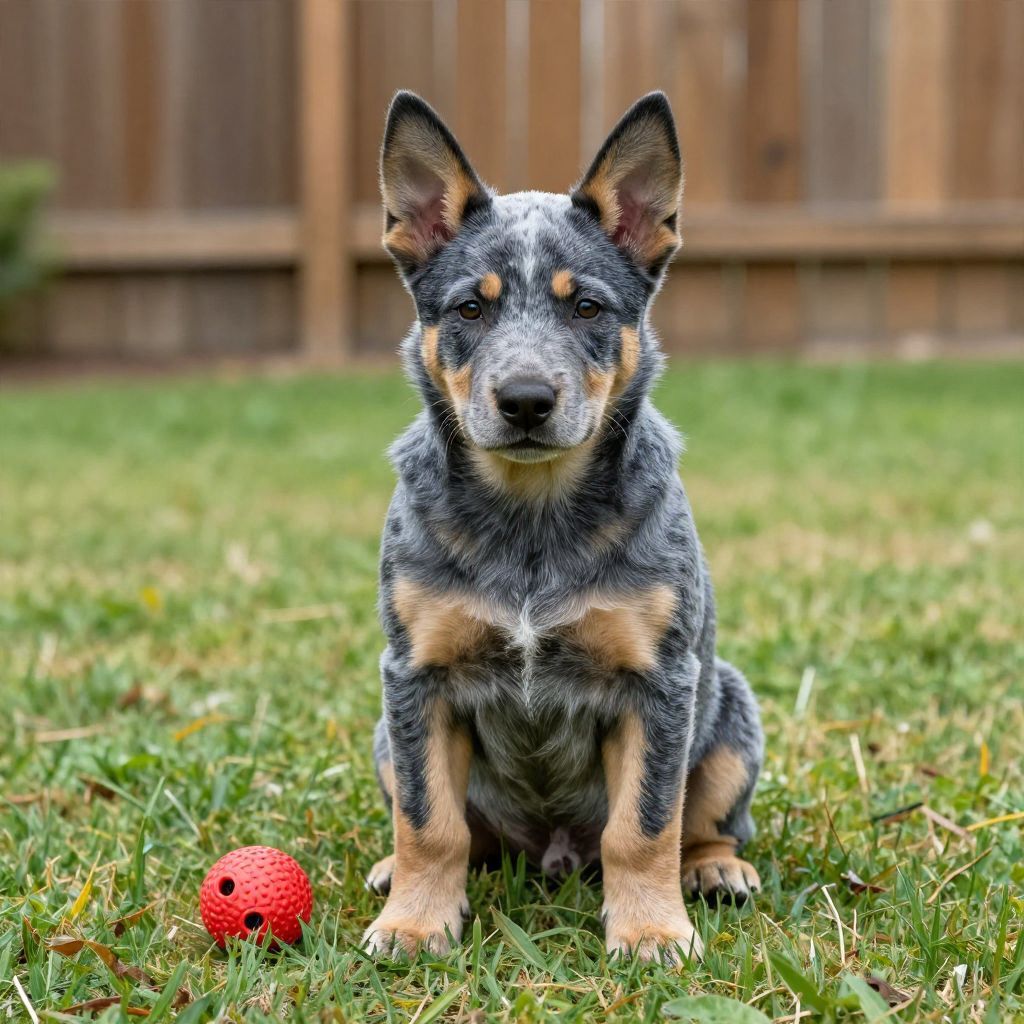
What dog is Bluey? Bluey is an animated Blue Heeler, also called an Australian Cattle Dog. She is shown as a smart, energetic working dog with a herding background, but the character is fictional and not a guarantee of how every real dog of that breed will act.
If you live with a real Blue Heeler or are considering one, it helps to understand the breed’s typical exercise, training, and enrichment needs. The right care can make a big difference in behavior, manners, and overall well-being.
What Dog Is Bluey?
Bluey is a Blue Heeler, which is another name for an Australian Cattle Dog. In the show, she is portrayed as an intelligent, active herding dog. Real dogs of this breed often need plenty of exercise, mental work, and consistent training, but individual temperament can vary a lot.
Why Bluey Is a Blue Heeler, Not Just a “Cartoon Dog”
The character was designed to reflect traits commonly associated with Australian Cattle Dogs: alertness, problem-solving ability, and a strong drive to stay busy. That does not mean every Blue Heeler will behave exactly like Bluey, and mixed breeds can share some of those traits too.
If you are asking because you want a dog like Bluey, focus less on the character and more on the breed’s real-life needs. A high-energy working dog may be a great match for an active home, but not for someone who wants a low-maintenance pet.
What Blue Heelers Are Typically Like
Australian Cattle Dogs are often described as energetic, intelligent, and loyal. Many enjoy learning, moving, and having a job to do, but those are tendencies, not guarantees.
Common traits people notice
- High energy and stamina
- Quick learning and strong problem-solving ability
- Interest in games, tasks, and training
- Alertness to sights and sounds
- Potential for herding behaviors such as nipping or chasing if not guided well
Because these dogs are often highly driven, boredom can show up as barking, chewing, digging, or trying to control people, pets, or movement in the home. Good management and training matter more than trying to “wear them out” with exercise alone.
How to Care for a Dog Like Bluey
If you have a Blue Heeler or a similar herding breed, daily structure helps. These dogs usually do best with a mix of physical activity, training, and calm rest time.
Exercise needs
- Provide regular walks, play sessions, and opportunities to move safely.
- Include varied activities such as fetch, scent games, or agility-style exercises.
- Match the activity to your dog’s age, health, and fitness level.
Very young puppies, seniors, and dogs with joint problems may need shorter, gentler activity. A veterinarian can help you decide what is appropriate for your individual dog.
Mental enrichment
- Food puzzles and snuffle mats
- Short training sessions using treats or praise
- Hide-and-seek games with toys or treats
- Learning useful cues such as sit, stay, come, leave it, and settle
Mental work is especially valuable for intelligent dogs because it helps reduce frustration and supports better behavior at home.
Training approach
Reward-based training is the safest and most effective starting point for most dogs. Keep sessions short, consistent, and fun.
- Reward the behaviors you want with treats, toys, or praise.
- Practice one skill at a time in a low-distraction setting.
- Increase difficulty gradually as your dog succeeds.
- Use management, such as gates or leashes, to prevent rehearsing unwanted behavior.
Avoid punishment, intimidation, or “dominance” methods. Those approaches can damage trust and may increase fear or reactivity.
Feeding a Blue Heeler: What Matters Most
Bluey’s breed type does not require a special fictional diet, but active dogs do need balanced nutrition that fits their life stage. Choose a complete and balanced food appropriate for your dog’s age, size, and activity level.
Practical feeding tips
- Measure meals rather than free-feeding if your dog gains weight easily.
- Use part of the daily ration for training treats when possible.
- Adjust portions with your veterinarian if your dog becomes underweight or overweight.
- Keep fresh water available at all times.
Human foods should not replace a complete dog diet. If you want to use snacks for training, choose dog-safe options and keep treats to a sensible amount.
Grooming and Coat Care
Blue Heelers have a practical working coat that still needs regular care. Grooming helps you monitor skin, coat, ears, nails, and overall health.
- Brush regularly to remove loose hair and reduce shedding.
- Check ears for redness, odor, or discharge.
- Trim nails before they become overgrown and uncomfortable.
- Inspect paws after outdoor activity for cuts, burrs, or debris.
If your dog suddenly sheds more than usual, develops itching, or has skin sores, ask your veterinarian whether allergies, parasites, infection, or another issue could be involved.
Behavior Challenges That Can Happen With Blue Heeler Types
Some owners are surprised by how intense a smart herding dog can be. Common challenges are usually related to unmet needs, inconsistent training, or too little rest.
What you might see
- Nipping at ankles or heels
- Chasing children, bikes, or moving objects
- Barking when overstimulated or under-exercised
- Difficulty settling indoors
- Guarding toys or resources in some individuals
These behaviors are not proof that a dog is “bad.” They are often signs that the dog needs better structure, more enrichment, or help learning alternative behaviors.
How to respond safely
- Redirect to a toy or training cue before the behavior escalates.
- Reward calm behavior generously.
- Use baby gates, crates, or leashes to manage situations your dog cannot handle yet.
- Seek help early if the behavior is frequent, intense, or worsening.
If your dog shows fear, aggression, or persistent reactivity, a qualified trainer using positive methods or a veterinary behaviorist can help you make a plan.
Socialization and Family Life
Bluey is shown as friendly and adaptable, but real dogs need gradual, positive exposure to people, dogs, sounds, and everyday situations. Early socialization helps, but it should be safe and not overwhelming.
Good socialization looks like this
- Short, positive experiences with new people and places
- Controlled introductions to calm dogs
- Rewards for relaxed behavior around novelty
- Plenty of breaks so your dog can recover
Children should always be supervised around dogs, especially energetic herding breeds that may chase, nip, or become overstimulated during rough play. Teach kids to avoid grabbing, hugging, or cornering the dog.
Health Considerations to Keep in Mind
No breed is guaranteed to develop a specific illness, but every dog benefits from routine veterinary care. Regular checkups help catch problems early and support long-term health.
Call a veterinarian promptly if you notice
- Sudden limping or reluctance to move
- Vomiting or diarrhea that does not quickly resolve
- Loss of appetite lasting more than a day or two
- Persistent coughing, breathing trouble, or collapse
- Itching, ear problems, or skin infections that keep returning
Seek urgent veterinary care immediately for trouble breathing, seizures, a bloated abdomen, severe bleeding, suspected poisoning, or a dog that cannot stand or seems in extreme pain.
Is a Blue Heeler a Good Match for You?
A dog like Bluey may suit you if you enjoy training, daily activity, and giving a dog a real job through games and routines. This type of dog may be challenging if you want a very low-energy companion or cannot commit to regular exercise and mental stimulation.
Before bringing one home, think about your schedule, living space, experience level, and ability to provide consistent guidance. The best match is not based on the character alone, but on the real dog’s needs and your lifestyle.
Common Mistakes to Avoid
- Assuming a young, energetic dog will “grow out of” boredom behaviors on its own
- Relying only on physical exercise and skipping training
- Using punishment instead of reward-based learning
- Allowing too much freedom too soon
- Ignoring early signs of stress, fear, or overarousal
Small problems are easier to fix early. The sooner you build good habits, the easier it is for your dog to become a well-mannered companion.
Conclusion
Bluey is a Blue Heeler, or Australian Cattle Dog, and the character reflects the breed’s smart, active, working-dog image. If you live with one, focus on exercise, enrichment, positive training, and routine veterinary care to support a happy, well-adjusted dog.
If you want to keep exploring dog characters and breed types, you may also enjoy reading about what kind of dog Bolt is or what kind of dog Goofy is.