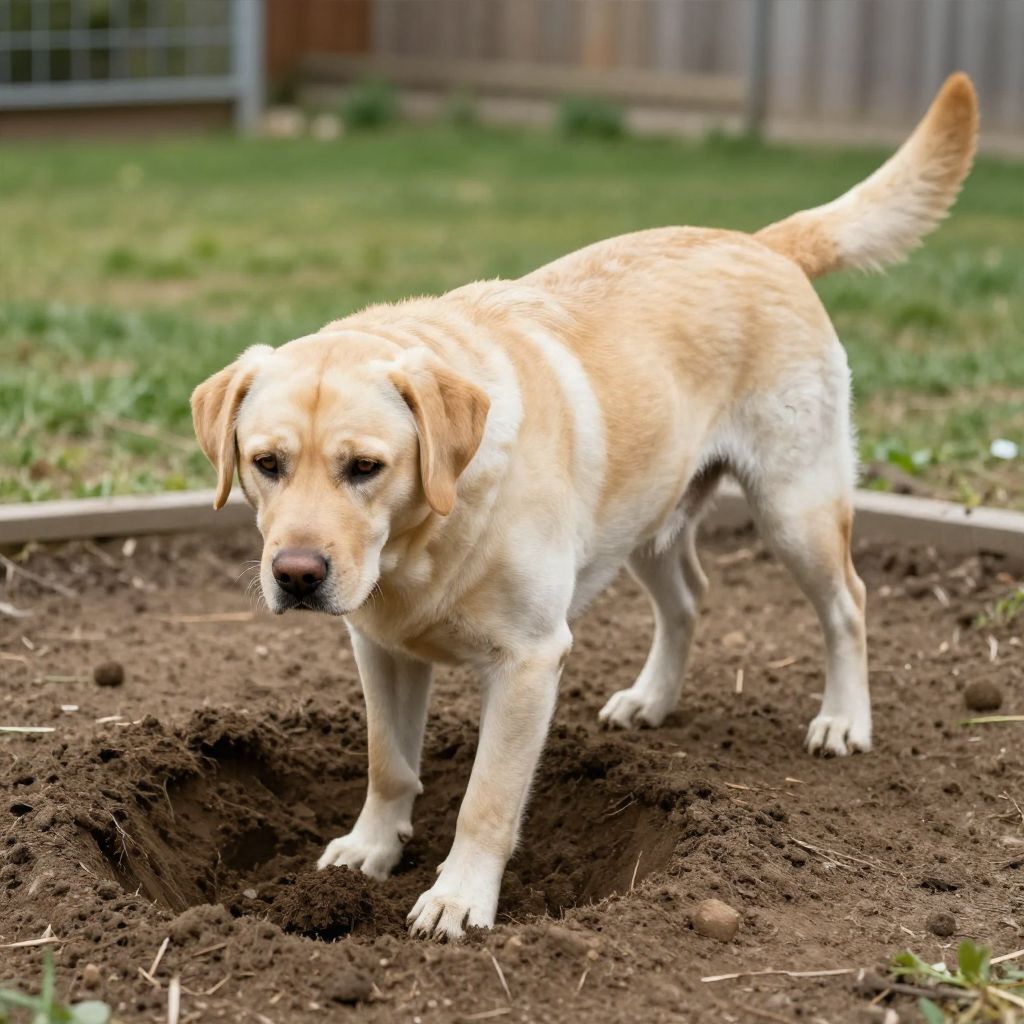
Why do dogs dig holes? Usually, it is a normal canine behavior with a clear purpose: to cool off, hunt, hide, relieve boredom, or follow a scent. Some dogs dig occasionally and harmlessly, while others dig so much that it becomes a management or training issue.
The key is to figure out why your dog is digging. Once you know the trigger, you can redirect the behavior, reduce opportunities, and check for any health or stress-related cause.
Why do dogs dig holes?
Dogs dig holes for several common reasons: instinct, boredom, excess energy, anxiety, trying to escape, seeking comfort in hot weather, or reacting to smells and prey underground. Puppies and certain individual dogs may dig more than others. The behavior is often manageable, but sudden or intense digging can signal stress or a medical issue.
Common reasons dogs dig
Instinct and breed tendencies
Digging is a natural dog behavior, not a “bad habit” by default. Some dogs have stronger digging instincts because of their individual temperament or the jobs they were bred to do, such as hunting, chasing, or burrowing-related work.
That does not mean every dog of a certain breed will dig, or that a mixed-breed dog will not. Individual personality, exercise, training, and environment matter a lot.
Boredom and lack of enrichment
Dogs often dig when they do not have enough physical exercise, mental stimulation, or safe things to do. Digging can become its own rewarding activity, especially if it gets your attention or helps the dog pass time.
If your dog digs most when left alone or when the yard is otherwise uninteresting, boredom may be a major factor.
Hunting scents or prey
Dogs have an excellent sense of smell, and some will dig where they detect rodents, insects, buried food, or other interesting scents. This is especially common near fences, garden beds, compost areas, or places where small animals travel.
Comfort, temperature, and nesting
Some dogs dig to create a cooler resting spot in warm weather or to make a soft nest-like area. Pregnant females may also show nesting behavior, though nesting alone does not confirm pregnancy.
If your dog is digging to lie in the hole, think about heat, shade, bedding, and access to cool water.
Anxiety, stress, or frustration
Dogs may dig when they feel stressed, under-stimulated, or frustrated. Separation-related stress, changes in the home, loud noises, or inconsistent routines can all contribute.
Other signs of stress may include pacing, whining, excessive barking, destructive chewing, or house-soiling.
Escape behavior
Some dogs dig under fences or near gates to get out of the yard. This can happen when they are seeking a person, another animal, or simply more stimulation.
Escape digging is a safety concern because it can lead to traffic injuries, lost pets, fights with other animals, or getting trapped.
When digging is normal and when it is a problem
Occasional digging is often normal, especially if your dog is outdoors, energetic, or naturally curious. It becomes a problem when it is frequent, destructive, dangerous, or happens alongside other behavior changes.
- Usually normal: occasional digging in one spot, brief digging during play, or digging that stops with redirection.
- Concerning: sudden increase in digging, obsessive digging, digging at fences, digging indoors, or digging with signs of distress.
- Urgent: digging accompanied by vomiting, collapse, limping, swelling, bleeding, heat stress, or attempts to escape while panicked.
What to do if your dog keeps digging
1. Identify the pattern
Watch when, where, and why the digging happens. Ask yourself:
- Does it happen when your dog is alone?
- Is it near a fence, tree, or garden bed?
- Does it happen more in hot weather?
- Does your dog dig after seeing wildlife or hearing noises?
This helps you choose the right solution instead of just trying to stop the behavior at random.
2. Increase exercise and mental work
Many dogs benefit from more daily activity, but the right amount depends on age, health, and body condition. A young, healthy dog may need more structured activity than a senior dog or one with arthritis.
Good options include:
- Leashed walks with sniffing time
- Food puzzles and scatter feeding
- Short training sessions using rewards
- Fetch, tug, or other safe play
- Sniff walks or supervised exploration
3. Manage the environment
Make the digging area less rewarding and the right areas more appealing. Management prevents rehearsal of the behavior while you train a better habit.
- Block access to favorite digging spots when possible.
- Use secure fencing and check for gaps if escape is a concern.
- Protect garden beds with barriers or temporary covers.
- Provide shade and cool resting spots in hot weather.
4. Teach an acceptable digging outlet
For dogs that love to dig, a designated digging area can be a practical compromise. You can reward your dog for using that spot instead of the garden or fence line.
To make it work:
- Choose a safe area away from roots, utilities, and hazards.
- Make it easy to access and interesting to use.
- Reward your dog for digging there.
- Interrupt gently and redirect if your dog starts digging elsewhere.
This works best when paired with supervision and consistency.
5. Reinforce calm, alternative behaviors
Reward your dog for behaviors you want more of, such as lying on a mat, relaxing in the yard, or coming when called. Positive reinforcement is usually more effective than punishment for long-term behavior change.
If your dog digs for attention, avoid accidentally rewarding it by reacting dramatically. Instead, calmly redirect and then reward the alternate behavior.
What not to do
Avoid punishment-based methods such as yelling, physical correction, or shock collars. These can increase fear, stress, and confusion, and they do not address the underlying reason your dog is digging.
Do not assume the dog is being “dominant” or “stubborn.” Digging is usually a communication or coping behavior, not a power struggle.
Could digging mean a health problem?
Sometimes, yes. While digging itself is usually behavioral, sudden changes in activity, restlessness, or repetitive digging can happen when a dog is uncomfortable or unwell. Pain, skin irritation, parasites, heat stress, or anxiety may all play a role.
Contact your veterinarian if the digging starts suddenly and is paired with any of the following:
- Vomiting, diarrhea, or loss of appetite
- Restlessness, panting, or inability to settle
- Limping, stiffness, or sensitivity to touch
- Scratching, skin redness, or hair loss
- Behavior changes such as hiding, aggression, or confusion
Seek urgent veterinary care if your dog seems overheated, collapses, has a swollen abdomen, cannot stop trying to escape in panic, or you suspect injury from digging under a fence or into a hazardous area.
Digging in puppies versus adult dogs
Puppies often dig out of curiosity, play, and excess energy. They are still learning what is allowed, so early supervision and redirection matter.
For puppies, focus on:
- Short training sessions
- Safe chew toys and enrichment
- Frequent potty breaks
- Supervised outdoor time
- Rewarding calm behavior early
Adult dogs may dig because a habit has become well established, so you may need more consistent management and a clearer alternative outlet.
How weather and season affect digging
Digging often increases in warm weather because dogs may try to reach cooler soil or create a shaded resting spot. It can also increase when wildlife activity is higher or when the yard is more interesting due to changes in scent.
In hot weather, make sure your dog has:
- Fresh water
- Shade
- Limited time in direct sun
- Cool indoor rest breaks
If your dog digs and pants heavily, seems weak, or is unsteady, treat that as a potential emergency.
How to stop digging without creating new problems
The best approach is usually a combination of prevention, enrichment, and training. You are not trying to eliminate a natural behavior entirely; you are trying to make it happen in safer, less destructive ways.
A simple plan looks like this:
- Figure out the trigger.
- Reduce access to problem areas.
- Increase exercise and enrichment.
- Reward the behavior you want.
- Ask for professional help if the behavior is intense or persistent.
When to get help from a professional
If your dog’s digging is severe, sudden, or tied to anxiety, a qualified professional can help you build a better plan. Your veterinarian can rule out medical issues, and a certified trainer or veterinary behaviorist can help with behavior modification.
Professional support is especially useful if your dog:
- Digs to escape repeatedly
- Shows panic when left alone
- Cannot be redirected with basic training
- Has other behavior changes at the same time
Bottom line
Dogs dig holes for many normal reasons, but the behavior becomes a concern when it is excessive, dangerous, or linked to stress or illness. Start by identifying the trigger, then use management, enrichment, and reward-based training to guide your dog toward safer choices.
If you want to understand more about related dog behavior and health topics, you may also find it helpful to read about why dogs throw up and explore general breed and care information at Online Dog Breeds.