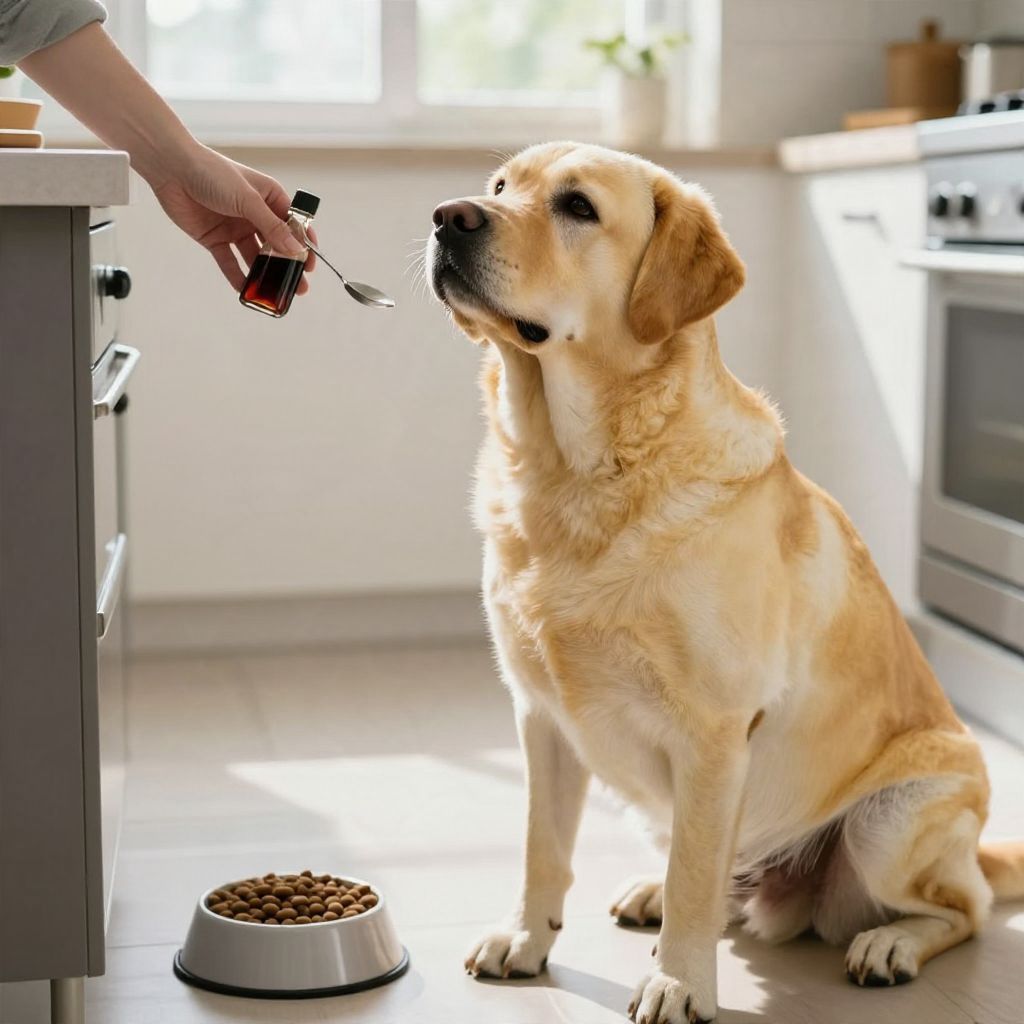
Can dogs have syrup? In most cases, syrup is not a good treat for dogs. It is usually very high in sugar, offers little nutrition, and can upset your dog’s stomach or contribute to weight gain and dental problems.
If your dog licked a tiny amount, they will often be fine, but larger amounts or syrup with harmful ingredients need attention. The type of syrup matters, too, because some flavorings and add-ins can be risky for dogs.
Can dogs have syrup?
Dogs should not regularly eat syrup. A small lick of plain syrup is usually not dangerous for a healthy dog, but syrup is sugary and can cause stomach upset, diarrhea, and long-term health issues if given often. Syrups with xylitol, chocolate, alcohol, or certain flavorings are more concerning and may require a veterinarian’s help.
Why syrup is not a good treat for dogs
Syrup is mostly concentrated sugar. Dogs do not need added sugar in their diet, and frequent sugary snacks can crowd out healthier foods.
Even when syrup does not cause immediate illness, it can create problems over time:
- Weight gain and extra strain on joints
- Dental disease from sticky sugar on teeth
- Digestive upset such as vomiting or diarrhea
- Blood sugar concerns for dogs with diabetes or other metabolic issues
Does the type of syrup matter?
Yes. “Syrup” can mean very different things, and some are safer than others in tiny amounts.
- Maple syrup: Not toxic in small accidental amounts, but still sugary and unnecessary.
- Pancake or table syrup: Usually mostly sugar and artificial flavoring; not a healthy dog food.
- Flavored syrups: May contain additives or sweeteners that are more concerning.
- Medicinal syrups: Never give human medicine syrups unless your veterinarian specifically tells you to.
When syrup can be dangerous for dogs
The biggest concern is not plain sugar itself, but what may be mixed into the syrup. Some ingredients can be toxic or cause serious illness.
Ingredients to watch for
- Xylitol or other sugar alcohols
- Chocolate or cocoa flavoring
- Alcohol or fermented ingredients
- Caffeine in coffee-flavored syrups
- Essential oils or strong flavor extracts
- Artificial sweeteners that are unsafe for pets
If the syrup label includes an ingredient you do not recognize, it is best to keep it away from your dog until you can confirm it is safe.
What to do if your dog ate syrup
If your dog ate a small amount of plain syrup, monitor them closely. Many dogs will only have mild stomach upset, if any.
- Check the label for harmful ingredients.
- Estimate how much your dog ate.
- Watch for vomiting, diarrhea, drooling, lethargy, or restlessness.
- Contact your veterinarian if your dog ate a large amount or has health conditions.
Seek urgent veterinary care right away if you notice
- Repeated vomiting
- Severe diarrhea
- Weakness, collapse, or trouble standing
- Shaking, tremors, or seizures
- Difficulty breathing
- Swollen belly or signs of pain
- Any syrup containing xylitol, chocolate, alcohol, or another known toxin
Do not try to make your dog vomit unless a veterinarian or poison professional specifically instructs you to do so.
Can puppies have syrup?
Puppies are more sensitive to dietary changes than adult dogs. Their stomachs are smaller, and sugary foods can upset digestion more easily.
Because puppies are still growing, it is better to avoid syrup altogether. A tiny accidental lick is usually less concerning than repeated exposure, but you should still watch for loose stool or vomiting.
What about senior dogs or dogs with health problems?
Older dogs and dogs with medical conditions may be more affected by sugary foods. This is especially true for dogs with diabetes, pancreatitis history, obesity, dental disease, or sensitive stomachs.
If your dog is a senior or has a chronic condition, ask your veterinarian before offering any human food treat, including syrup. Even small extras can matter more for these dogs.
Safe ways to give your dog a sweet treat
If you want to reward your dog, choose dog-safe foods instead of syrup. The best treats are simple, small, and given in moderation.
- Plain cooked pumpkin
- Small pieces of apple without seeds
- Blueberries
- Plain cooked sweet potato
- Commercial dog treats made for your dog’s size and diet
Keep treats to a small part of your dog’s daily calories, especially if your dog is prone to weight gain. If you are using treats for training, tiny portions work best.
Common mistakes to avoid
Many syrup-related problems happen because people assume a little bit of human food is harmless. That is not always true for dogs.
- Giving syrup on pancakes, waffles, or toast as a regular treat
- Letting your dog lick plates with unknown ingredients
- Using syrup to hide medication without veterinary approval
- Offering flavored syrups that may contain unsafe sweeteners
- Ignoring mild stomach upset after a sugary snack
How to keep syrup away from your dog
Prevention is usually easy. Store syrup securely and clean up spills quickly, especially if your dog is curious or food-motivated.
- Keep bottles in closed cabinets or high shelves
- Do not leave breakfast plates unattended
- Wipe counters and floors after sticky spills
- Teach a reliable “leave it” cue using reward-based training
- Supervise children who may drop sweet foods
When to call your veterinarian
Call your veterinarian if your dog ate a large amount of syrup, ate syrup with questionable ingredients, or has ongoing vomiting or diarrhea after eating it. You should also call if your dog has diabetes, pancreatitis, or another condition that makes sugary foods riskier.
If you are unsure what was in the syrup, it is safer to ask than to wait and hope. Quick guidance can help you decide whether your dog needs monitoring at home or urgent care.
The bottom line
Can dogs have syrup? A tiny accidental taste of plain syrup is usually not an emergency, but syrup is not a healthy treat for dogs. Avoid giving it on purpose, keep an eye out for dangerous ingredients, and contact your veterinarian if your dog ate a large amount or shows any warning signs.
If you want more food-safety guidance for dogs, you may also find it helpful to read about can dogs have ranch and can dogs eat cake.