
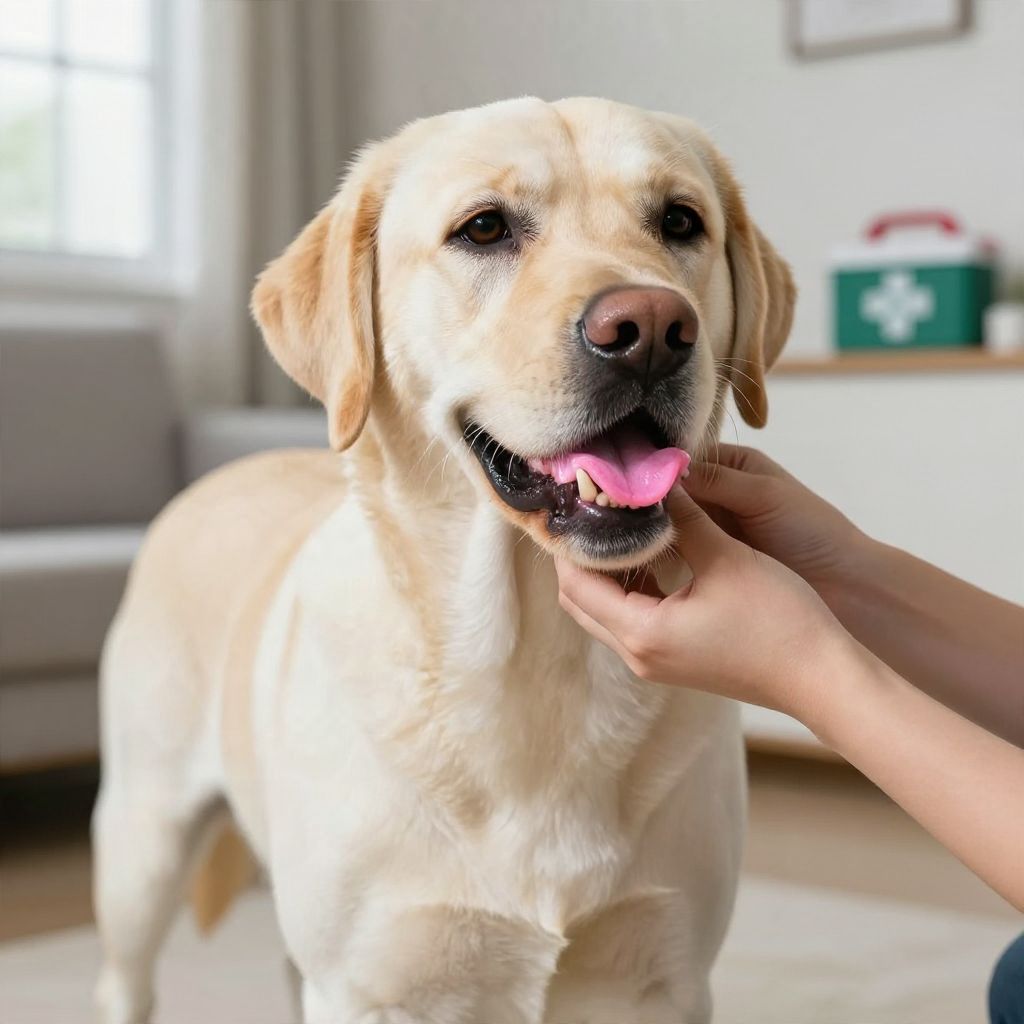
What do pale gums look like in dogs? They may appear light pink, white, gray, or even bluish instead of a healthy bubblegum pink. This can be a sign of poor circulation, blood loss, shock, anemia, or another serious health problem.
If your dog’s gums look unusually pale, treat it as a warning sign. Some causes are urgent, so checking the gums can help you decide whether your dog needs prompt veterinary care.
What do pale gums look like in dogs?
Pale gums in dogs look lighter than normal, often white, washed-out pink, grayish, or bluish. Healthy gums are usually moist and pink, though pigment, age, and individual variation can affect color. If the gums suddenly look pale or your dog seems weak, seek veterinary advice quickly.
What healthy dog gums usually look like
Healthy gums are typically moist, smooth, and a consistent pink color. The exact shade can vary from dog to dog, and some dogs have naturally pigmented or spotted gums, which makes color checks less straightforward.
To check gum color, gently lift your dog’s lip and look at the tissue above the teeth. Compare both sides if you can, because one area may look different from another.
What makes gum color harder to judge
- Natural black or spotted pigmentation
- Very dark oral tissue in some dogs
- Bright lighting that changes how color appears
- Stress, panting, or recent activity
If your dog has heavily pigmented gums, focus on changes from their usual appearance rather than expecting a textbook pink color.
Why pale gums can be a concern
Pale gums can mean your dog is not getting enough oxygenated blood to the tissues, or that there is less blood circulating than there should be. That can happen with emergencies such as shock, internal bleeding, severe dehydration, or heart and respiratory problems.
It can also happen with anemia, which means there are too few red blood cells or not enough hemoglobin to carry oxygen. Anemia has many possible causes, including blood loss, immune disease, parasites, chronic illness, and some toxins.
Common causes of pale gums in dogs
There are many possible reasons a dog’s gums may look pale, and only a veterinarian can determine the cause. The most common concerns include:
- Blood loss from injury, surgery, ulcers, parasites, or internal bleeding
- Shock from trauma, severe pain, dehydration, heatstroke, or a serious illness
- Anemia from disease, immune problems, parasites, toxins, or chronic conditions
- Poor circulation related to heart disease or circulatory collapse
- Breathing problems that reduce oxygen delivery to tissues
- Toxin exposure or certain medications that affect blood cells
Some causes develop quickly, while others build gradually. A dog with slowly worsening anemia may seem tired for days before the gums look obviously pale.
Other signs that pale gums may be an emergency
Pale gums are more urgent when they happen with other symptoms. Call an emergency veterinarian right away if you notice any of the following:
- Weakness, collapse, or trouble standing
- Rapid breathing or breathing effort
- Fast heart rate or a racing pulse
- Cold ears, paws, or body
- Distended belly or signs of pain
- Vomiting, diarrhea, or black/tarry stool
- Bleeding from the nose, mouth, rectum, or wounds
- Blue, gray, or very white gums
- Severe lethargy or unresponsiveness
If your dog has pale gums plus collapse, breathing trouble, or suspected bleeding, do not wait. These are emergency signs.
How to check your dog’s gums at home
You can do a quick gum check while staying calm and gentle. This does not replace a veterinary exam, but it can help you notice a problem early.
- Lift your dog’s lip in good light.
- Look at the color of the gum tissue above the teeth.
- Note whether the gums are pink, pale pink, white, gray, or blue.
- Check whether the gums feel moist or tacky.
- Press a finger briefly on the gum and see how quickly color returns.
That color return is called capillary refill time. In a healthy dog, color usually returns quickly, but stress, cold, and lighting can affect what you see. If you are unsure, contact your veterinarian.
What else to look at during the check
- Energy level compared with normal
- Breathing rate and effort
- Appetite and water intake
- Any vomiting, diarrhea, or bleeding
- Recent injury, toxin exposure, or illness
When pale gums may be less obvious
Some dogs may not show dramatic gum color changes right away. This is especially true if the problem is developing slowly or if the dog has naturally pigmented gums that make color harder to judge.
In those cases, you may notice other changes first, such as tiredness, reduced exercise tolerance, faster breathing, or seeming “off.” Even subtle changes matter if they are new for your dog.
What you should do if your dog’s gums look pale
If the gums are pale and your dog seems unwell, contact a veterinarian promptly. If the dog is weak, collapsing, breathing hard, or has obvious bleeding, go to an emergency clinic immediately.
While you arrange care, keep your dog quiet and warm, and avoid forcing food, water, or exercise. If your dog may have eaten something toxic or been injured, tell the clinic what happened and when.
- Keep your dog as still and calm as possible
- Do not delay if symptoms are worsening
- Bring a list of any medications or possible toxin exposures
- Use a carrier or leash for safe transport
Do not try to treat pale gums at home without veterinary guidance. The underlying cause may be serious and time-sensitive.
What a veterinarian may check
A vet will look for the cause of the pale gums rather than treating the color alone. Depending on your dog’s signs, they may examine hydration, heart rate, breathing, temperature, blood pressure, and gum color.
They may also recommend blood tests, imaging, parasite checks, or other diagnostics to find anemia, bleeding, infection, organ disease, or toxin exposure.
Why timing matters
Some problems that cause pale gums can worsen quickly. Early care may improve the chance of stabilizing your dog and finding the cause before it becomes more serious.
Can pale gums happen in puppies or senior dogs?
Yes. Puppies can develop pale gums from parasites, infection, injury, or congenital problems, while senior dogs may be more vulnerable to chronic disease, dental disease, cancer, or organ issues that affect blood and circulation.
The cause varies by age, health history, and overall condition, so do not assume pale gums are “normal” for a puppy or an older dog. Any sudden change deserves attention.
Common mistakes to avoid
When you notice pale gums, it is easy to underestimate the problem. Avoid these mistakes:
- Waiting to see if the color “goes back to normal” on its own
- Assuming a dog is just tired or stressed
- Giving human medicines or supplements without veterinary advice
- Trying home remedies instead of seeking care
- Ignoring pale gums because your dog still wants to walk or eat
Some dogs stay alert for a while even when they are seriously ill, so behavior alone does not rule out a problem.
How to help prevent some causes of pale gums
You cannot prevent every cause, but good routine care can lower risk for some conditions. Regular veterinary checkups, parasite prevention, safe storage of toxins, and prompt treatment of injuries all help protect your dog.
- Keep up with routine wellness exams
- Use parasite prevention recommended by your vet
- Store medications, cleaners, and toxic foods securely
- Seek care quickly after trauma or unexplained bleeding
- Monitor changes in energy, appetite, and breathing
If your dog has a chronic illness, follow your veterinarian’s monitoring plan closely, since gum color changes may be one of the first signs that something is worsening.
Bottom line
What do pale gums look like in dogs? They usually look white, gray, bluish, or much lighter than your dog’s normal gum color. Because pale gums can signal anemia, shock, bleeding, or another serious problem, treat them as a reason to contact a veterinarian quickly.
If you want to learn more about related warning signs, you may also find why your dog may be breathing heavily and how to tell if a dog has a fever helpful for spotting urgent health changes early.