
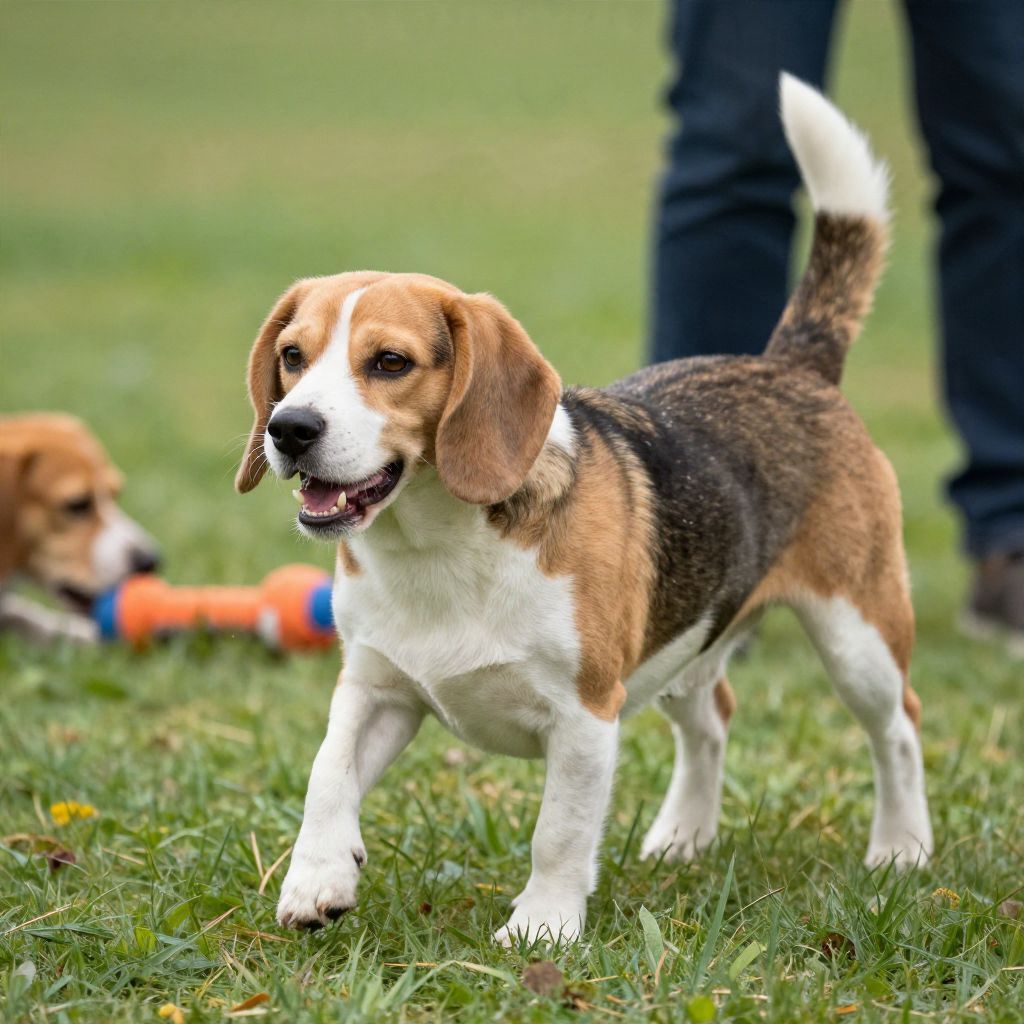
If your dog sneezes when playing, it is often a normal, playful behavior rather than a sign of illness. Many dogs use sneezing during rough-and-tumble games to show excitement, keep play friendly, or signal that they are not being aggressive.
Sometimes, though, sneezing during play can point to irritation, allergies, nasal issues, or something stuck in the nose. Watching the pattern and your dog’s overall behavior helps you tell harmless play sneezes from a problem that needs a vet.
Why do dogs sneeze when playing?
Dogs often sneeze during play as a social signal, especially when wrestling, chasing, or mouthing. A play sneeze can mean “I’m just having fun,” and it may help keep interactions calm. If the sneezing is occasional and your dog otherwise seems normal, it is usually not a concern.
Common reasons dogs sneeze during play
There are several possible explanations, and the context matters. Breed, age, excitement level, and whether the play is indoors or outdoors can all influence how often it happens.
Play signaling and excitement
Many dogs sneeze when they are highly aroused in a happy way. This is often seen during tug, chase games, wrestling, or dog-to-dog play.
- It may happen right at the start of play or during a burst of excitement.
- The sneeze is usually brief and does not stop the game.
- Your dog otherwise acts relaxed, bouncy, and engaged.
Dust, grass, or other irritants
Running, rolling, or digging during play can stir up dust, pollen, dirt, or grass seeds. These irritants can trigger sneezing, especially in dogs with sensitive noses or seasonal allergies.
If sneezing happens more outdoors, after yard play, or in dusty indoor spaces, irritation is a likely factor.
Reverse sneezing
Some owners mistake reverse sneezing for ordinary sneezing. Reverse sneezing sounds like rapid snorting or honking and may happen when a dog is excited, pulling on a collar, or exposed to irritants.
It can look dramatic, but brief episodes often pass on their own. If you are unsure whether your dog is sneezing or reverse sneezing, ask your veterinarian to help you identify the sound and triggers.
Breed and body shape differences
Some dogs with shorter muzzles or narrower airways may be more prone to noisy breathing, snorting, or sneezing-like sounds during excitement. That does not mean every dog of a breed will do this, but facial structure can make some dogs more noticeable when they play.
Individual anatomy matters more than breed labels alone. A dog with allergies, a nasal issue, or a history of irritation may sneeze more regardless of breed.
Excitement plus physical contact
During rough play, a dog may get bumped in the face, inhale quickly, or briefly irritate the nose with paws, toys, or another dog’s movements. A few sneezes after this kind of play can happen without indicating injury.
When sneezing is probably normal
Play sneezing is usually harmless when it is brief, occasional, and clearly linked to excitement. Your dog should recover immediately and continue acting like themselves.
- The sneezing stops when play stops.
- There is no nasal discharge, bleeding, or swelling.
- Your dog is eating, drinking, and breathing normally.
- There is no coughing, gagging, or obvious pain.
Signs the sneezing may be a problem
Not every sneeze during play is harmless. If the sneezing is frequent, intense, or paired with other symptoms, your dog may need a veterinary exam.
- Repeated sneezing outside of play
- Thick, colored, or bloody nasal discharge
- One-sided discharge or persistent nasal rubbing
- Swelling around the face or nose
- Coughing, wheezing, or trouble breathing
- Loss of appetite, lethargy, or fever
- Sudden onset after outdoor play or sniffing around plants, dirt, or debris
Red flags that need urgent veterinary care
Seek urgent veterinary help now if your dog has trouble breathing, blue or pale gums, repeated nosebleeds, severe facial swelling, collapse, or possible exposure to a foreign object or toxin. Do not wait for symptoms to improve on their own.
What to do when your dog sneezes while playing
If the sneezing is mild and your dog seems fine, you usually do not need to stop all play. Instead, observe the pattern and make small adjustments.
- Pause and watch. See whether the sneezing stops when excitement settles.
- Check the environment. Look for dust, grass clippings, pollen, or debris that may be irritating the nose.
- Notice the type of sound. A true sneeze is different from reverse sneezing, coughing, or gagging.
- Inspect for discharge. Clear, one-time moisture can happen, but repeated mucus or blood is not normal.
- Reduce intensity. Shorter play sessions or calmer games may help if excitement seems to trigger sneezing.
- Contact your vet if it keeps happening. Ongoing sneezing deserves a check, especially if it is new.
How to reduce play-related sneezing
You may not need to eliminate sneezing entirely, but you can often reduce how often it happens by changing the setting or the type of play.
Choose cleaner play spaces
Try indoor areas with less dust or outdoor spots that are not freshly mowed, overly dry, or full of pollen. If your dog is sensitive, avoid windy conditions that stir up debris.
Use calmer games when needed
If high-energy wrestling or wild chase games trigger sneezing, switch to fetch, scent games, puzzle toys, or training games that still provide exercise without as much face-to-face contact.
Keep the nose and face free of irritants
After outdoor play, wipe your dog’s face gently if you notice dirt, grass, or pollen around the muzzle. Avoid inserting anything into the nose or trying to remove debris yourself if you cannot see it easily.
Monitor collars and harnesses
For dogs prone to reverse sneezing or throat irritation, a well-fitted harness may be more comfortable than a collar during active play or leash excitement. Your veterinarian can help you choose what is best for your dog’s body type and breathing pattern.
What not to do
It is easy to overreact when your dog sneezes during play, but a few common mistakes can make things worse.
- Do not punish or scold your dog for sneezing.
- Do not force more play if your dog seems uncomfortable.
- Do not put anything into the nose to “clear” it.
- Do not assume all sneezing is harmless if it is frequent or paired with other symptoms.
- Do not use human medications unless your veterinarian specifically tells you to do so.
When to call the veterinarian
Contact your veterinarian if the sneezing is new, getting worse, or happening often enough to concern you. A vet visit is especially important if your dog has a history of allergies, nasal infections, dental disease, or a foreign body in the nose.
Your veterinarian may ask when the sneezing happens, whether it is one-sided or both-sided, and whether your dog has discharge, coughing, or breathing changes. That history helps narrow down the cause without guessing.
How age and health can affect play sneezing
Puppies may sneeze during play because they are excitable, clumsy, and still learning social cues. Older dogs may sneeze more if they have dental disease, nasal irritation, or other age-related health changes.
Dogs with allergies, chronic respiratory issues, or facial anatomy that affects airflow may also be more prone to noisy play. The same symptom can mean something different depending on your dog’s overall health.
Simple way to tell play sneezing from illness
A good rule of thumb is to look at the whole picture. If your dog sneezes only during play, recovers immediately, and has no other symptoms, it is more likely to be normal excitement or mild irritation.
If the sneezing happens at rest, continues after play ends, or comes with discharge, coughing, or breathing trouble, it is more likely to need veterinary attention.
Conclusion
Dogs often sneeze when playing because they are excited or communicating that the interaction is friendly. If the sneezing is brief and your dog otherwise seems well, it is usually normal. If it becomes frequent, painful, or comes with other symptoms, schedule a veterinary exam promptly.
If you want to learn more, you may also find this guide helpful: why dogs sneeze when playing and this article on reverse sneezing in dogs.