
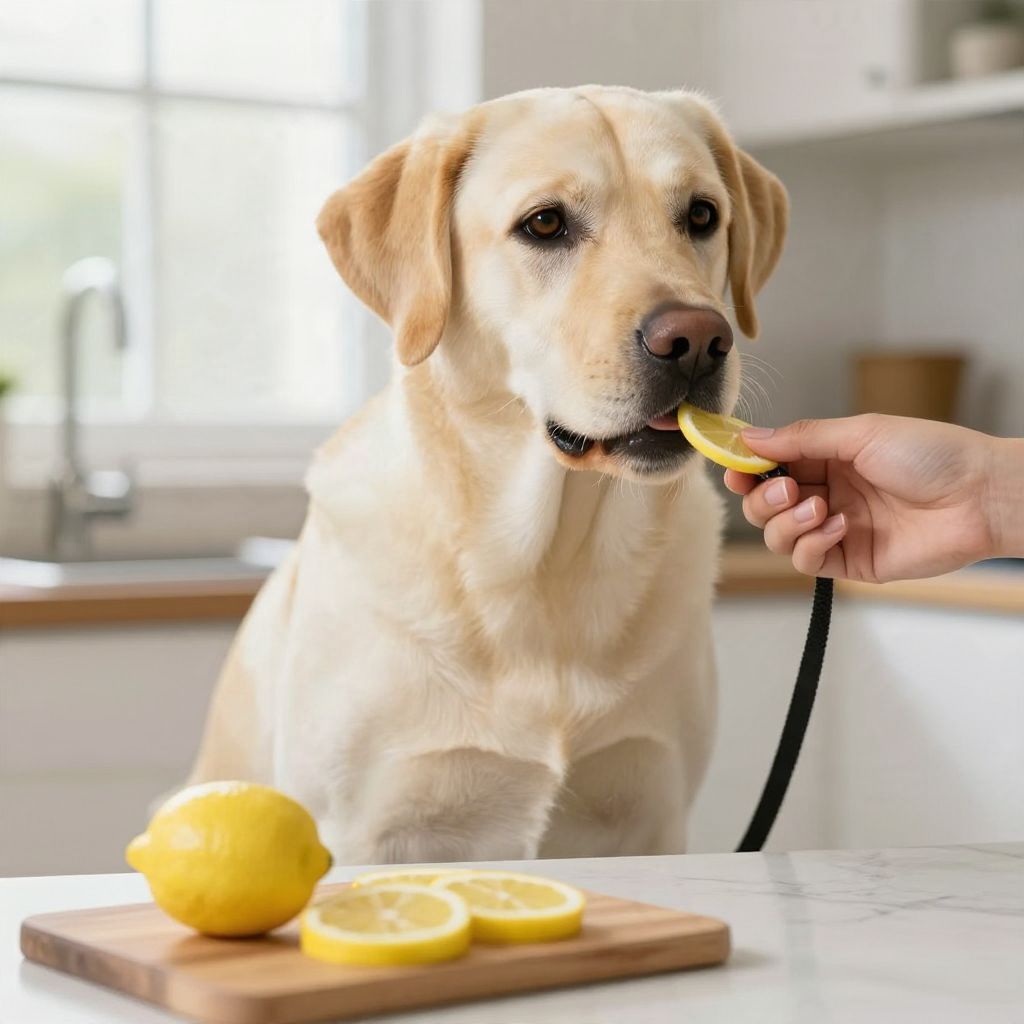
Is lemon bad for dogs? In most cases, yes—especially in larger amounts or in concentrated forms like juice, peel, essential oil, or lemon-flavored products. Many dogs dislike the taste, and citrus can cause stomach upset, drooling, or mouth irritation.
If your dog ate a small lick or tiny bite, they may be fine, but symptoms can still happen. Watch closely, keep lemon products away, and contact your veterinarian if your dog ate a lot or seems unwell.
Is Lemon Bad For Dogs?
Yes, lemon can be bad for dogs, especially in concentrated forms or larger amounts. Small accidental tastes may only cause mild stomach upset in some dogs, but lemon juice, peel, seeds, and essential oils can irritate the mouth and digestive tract. If your dog shows vomiting, diarrhea, or unusual behavior, call your vet.
Why Lemon Can Upset Dogs
Lemons contain citric acid and aromatic compounds that many dogs find unpleasant. The main concern is usually irritation rather than a dramatic toxic reaction from a tiny taste, but the risk rises with the amount eaten and the form of lemon.
Forms of lemon that are more concerning
- Lemon juice: More concentrated and more likely to upset the stomach.
- Lemon peel: Hard to digest and can irritate the gut.
- Seeds: Not a good snack and may contribute to digestive upset.
- Essential oils or cleaning products: Much more dangerous than fresh lemon because they are highly concentrated.
- Lemon desserts or drinks: Often contain sugar, artificial sweeteners, or other ingredients that may be unsafe for dogs.
What Happens If a Dog Eats Lemon?
Some dogs have no obvious reaction after a tiny taste, while others develop mild digestive upset. Sensitivity varies with the dog’s size, age, health, and how much lemon was eaten. Puppies, small dogs, and dogs with sensitive stomachs may react more easily.
Common signs of mild irritation
- Drooling
- Lip licking or pawing at the mouth
- Vomiting
- Diarrhea
- Reduced appetite
- Temporary discomfort or restlessness
When lemon exposure is more serious
More significant exposure can cause stronger stomach upset, repeated vomiting, or signs that your dog is uncomfortable for longer than expected. If your dog ate a large amount of lemon, drank lemon juice, or got into lemon essential oil or a citrus cleaner, contact your veterinarian right away.
Emergency Warning Signs You Should Not Ignore
Seek urgent veterinary care if your dog has any of the following after eating lemon or a lemon-containing product:
- Repeated vomiting
- Severe diarrhea or diarrhea with blood
- Marked lethargy or weakness
- Swollen face, hives, or trouble breathing
- Seizures, tremors, or collapse
- Signs of pain, a bloated belly, or inability to settle
If your dog may have swallowed essential oil, a concentrated cleaner, or a large amount of lemon product, do not wait for symptoms to worsen.
Is a Small Amount of Lemon Ever Safe?
For many dogs, a tiny accidental lick is unlikely to cause major harm, but “safe” does not mean beneficial. Lemon is not a healthy treat for dogs, and it should not be used as a regular food item or flavoring. Even small amounts can cause stomach upset in sensitive dogs.
Factors that affect risk
- Dog size: Smaller dogs can be affected by less food.
- Age: Puppies may be more sensitive and can become dehydrated faster if they vomit or have diarrhea.
- Health status: Dogs with digestive disease, kidney issues, or other medical problems may tolerate citrus poorly.
- Amount eaten: A lick is very different from a slice, a bowl of lemonade, or a piece of peel.
- Product type: Fresh lemon is different from juice, candy, baked goods, or essential oils.
What To Do If Your Dog Ate Lemon
Stay calm and assess what was eaten, how much, and when. If it was only a tiny taste and your dog seems normal, monitor them closely. If the amount was larger or the product was concentrated, call your veterinarian for guidance.
- Remove the lemon or lemon product from reach.
- Check the ingredient list if it was a packaged food or drink.
- Rinse your dog’s mouth with plain water only if they will tolerate it safely.
- Observe for vomiting, diarrhea, drooling, or discomfort.
- Contact your veterinarian if the exposure was more than a small lick or if symptoms appear.
Do not force your dog to vomit unless a veterinarian specifically tells you to do so. That can make some situations worse.
Why Lemon Products Can Be Riskier Than Fresh Lemon
Fresh lemon is usually irritating mostly because of acidity and taste, but processed lemon products can add extra hazards. The problem is often not the lemon alone, but the other ingredients mixed with it.
Watch out for these common lemon-containing items
- Lemon candy or gum
- Lemon cake, pie, or frosting
- Lemonade and sweetened drinks
- Citrus-scented cleaners
- Essential oil diffusers or topical products
Some sweeteners, especially xylitol, are dangerous to dogs. If a lemon product contains a questionable ingredient, treat it as a separate emergency concern and call your veterinarian promptly.
Can Lemon Be Used to Stop Dogs From Chewing?
Some people use citrus as a deterrent, but it is not a reliable or ideal training tool. It may startle or upset your dog without teaching them what to do instead. Humane management and reward-based training are safer and more effective.
Better ways to reduce unwanted chewing
- Keep tempting items out of reach
- Provide appropriate chew toys
- Use supervision and baby gates when needed
- Reward your dog for choosing acceptable items
- Rotate toys to keep them interesting
If chewing is frequent or destructive, a trainer or veterinary behaviorist can help you address boredom, stress, teething, or lack of training.
Puppies, Small Dogs, and Sensitive Dogs
Young dogs and small dogs may be more likely to show symptoms after eating lemon simply because less food can have a bigger effect on them. Dogs with sensitive stomachs may also react more strongly than dogs with no history of digestive upset.
Extra caution is wise if your dog:
- Is a puppy
- Has a history of vomiting or diarrhea
- Has a medical condition that affects digestion
- Recently changed foods
- Has eaten other unusual foods the same day
If your dog is already dealing with stomach issues, even a small amount of lemon may make things worse.
How To Prevent Lemon Exposure
Prevention is the easiest way to avoid an upset stomach or a more serious poisoning risk from citrus products. Dogs are curious, and many will investigate food left on counters, tables, or in trash bins.
- Store lemons and citrus products out of reach.
- Keep drinks, desserts, and trash secured.
- Read labels on snacks, cleaners, and grooming products.
- Do not leave lemon wedges or peels on plates within reach.
- Use dog-safe training treats instead of human food scraps.
When To Call the Veterinarian
Call your veterinarian if your dog ate more than a small taste of lemon, if you are unsure how much was consumed, or if your dog has any symptoms. This is especially important if the exposure involved lemon essential oil, a cleaning product, or a food with other risky ingredients.
Your vet can help you decide whether home monitoring is reasonable or whether your dog needs an exam. If symptoms are severe, do not delay care.
Bottom Line
Lemon is not a good treat for dogs, and larger amounts or concentrated lemon products can cause stomach upset or worse. Keep lemon foods and citrus products away from your dog, monitor closely after accidental exposure, and contact your veterinarian if symptoms appear or the exposure was significant.
If you want to learn more about citrus safety, you may also find these related guides helpful: can dogs have lemon juice and can dogs eat limes.