
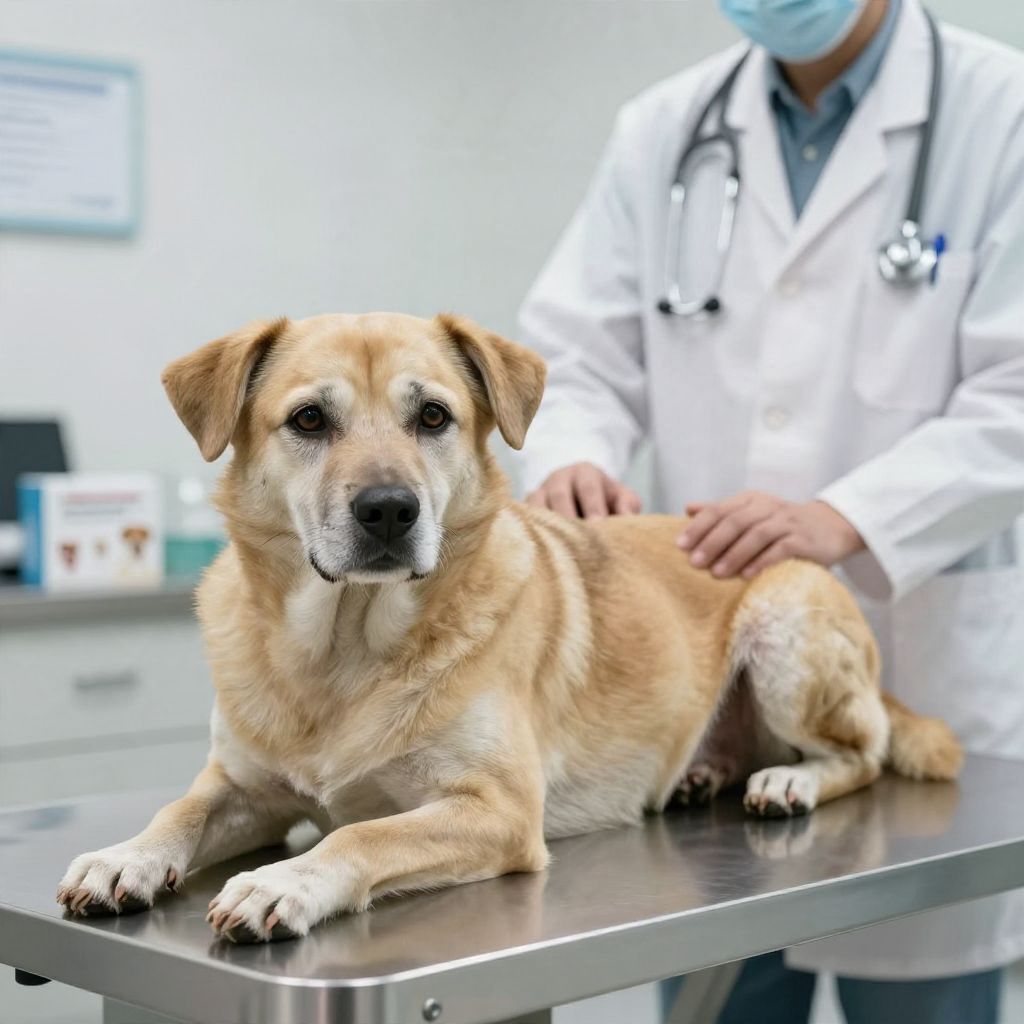
Can older dogs get parvo? Yes, they can, although it is less common than in unvaccinated puppies. Adult and senior dogs are still at risk if they are not fully vaccinated, have a weak immune system, or are exposed to the virus in contaminated places.
If your older dog has vomiting, diarrhea, low energy, or stops eating, contact your veterinarian promptly. Parvo can become serious quickly, and early care matters.
Can older dogs get parvo?
Yes. Older dogs can get parvo if they are not protected by vaccination or if their immunity is reduced. Age alone does not make a dog immune. The risk is lower in fully vaccinated adults, but exposure to the virus can still be dangerous, especially for senior dogs or dogs with other health problems.
Why parvo can still affect adult and senior dogs
Parvovirus is a highly contagious virus that spreads through contact with infected stool, contaminated surfaces, and objects like bowls, shoes, or hands. It can survive in the environment for a long time, which is why even an older dog that rarely meets puppies may still be exposed.
Older dogs may be more vulnerable if they:
- Missed puppy vaccines or booster shots
- Have an unknown vaccination history
- Have immune system disease
- Take medications that suppress immunity
- Are stressed, underweight, or dealing with another illness
Vaccination matters at every age
Vaccination is the main protection against parvo. A dog that is current on core vaccines is much less likely to become ill, but no vaccine offers a guarantee. If you are unsure whether your older dog is protected, your veterinarian can review records and recommend the right vaccine plan.
Signs of parvo in older dogs
Parvo often starts with vague signs that can look like many other stomach illnesses. In older dogs, symptoms may appear mild at first and then worsen quickly.
Watch for:
- Vomiting
- Diarrhea, sometimes severe or bloody
- Loss of appetite
- Lethargy or weakness
- Fever or low body temperature
- Dehydration
- Abdominal pain
Red flag: If your dog has repeated vomiting, bloody diarrhea, collapse, extreme weakness, or cannot keep water down, seek urgent veterinary care right away.
How parvo is diagnosed
Your veterinarian may use a physical exam, stool testing, and sometimes bloodwork to help determine whether parvo is the cause. Because vomiting and diarrhea can also come from many other illnesses, testing is important rather than guessing at home.
Older dogs can have other conditions that complicate the picture, such as kidney disease, pancreatitis, intestinal blockage, or infections. A proper diagnosis helps your vet choose the safest treatment.
What treatment usually involves
There is no simple home cure for parvo. Treatment is supportive and focuses on helping your dog stay hydrated, control vomiting, protect the gut, and manage pain or secondary infections when needed.
Depending on severity, your veterinarian may recommend:
- Hospitalization
- IV fluids
- Antinausea medication
- Pain relief
- Careful nutrition support
- Monitoring for dehydration and electrolyte problems
Some dogs can recover with prompt treatment, but older dogs may need closer monitoring because age-related health issues can make recovery harder. Do not wait to see if symptoms pass on their own.
What you should do if you suspect parvo
If you think your older dog may have parvo, act quickly and limit exposure to other dogs.
- Call your veterinarian or an emergency clinic immediately.
- Keep your dog away from other dogs and shared spaces.
- Bring a fresh stool sample if your vet asks for one.
- Clean up vomit and stool carefully to reduce spread.
- Follow your vet’s instructions for transport and isolation.
Do not give human medications, force food, or try to treat severe vomiting or diarrhea at home without veterinary guidance. Some common products can be unsafe for dogs or can delay proper treatment.
How to protect an older dog from parvo
Prevention is much easier than treatment. A few practical habits can lower risk significantly, especially for older dogs with uncertain vaccine history.
Keep vaccines current
Ask your veterinarian whether your dog needs a booster or a vaccine review. This is especially important if your dog was adopted, has incomplete records, or has not seen a vet in a long time.
Avoid high-risk exposure
Until you know your dog is protected, be cautious in places where many dogs gather, especially if there has been recent illness. High-traffic dog areas can carry more risk if infected stool is present.
Practice good hygiene
- Wash hands after handling unknown dogs or cleaning up messes
- Clean shoes and gear that may have contacted contaminated areas
- Disinfect surfaces according to veterinary guidance
- Keep food and water bowls clean
Because parvo is hardy in the environment, basic cleanliness helps, but it does not replace vaccination.
Are senior dogs more likely to get very sick?
Not every senior dog will become severely ill, but older dogs may have less reserve if they get sick. A dog with heart disease, kidney disease, diabetes, cancer, or another chronic condition may dehydrate faster or recover more slowly.
That is why any older dog with vomiting or diarrhea deserves prompt attention, even if the symptoms seem mild at first. Waiting can allow dehydration and complications to build quickly.
Common mistakes to avoid
- Assuming parvo only happens in puppies
- Waiting to see if the dog “gets over it”
- Skipping the vet because the dog is still drinking a little
- Using leftover medications without veterinary advice
- Letting a sick dog mix with other dogs before diagnosis
These mistakes can delay care and increase the chance of spreading infection to other dogs.
When to call the vet right away
Contact a veterinarian promptly if your older dog has any of the following:
- Repeated vomiting
- Diarrhea lasting more than a short time
- Blood in stool or vomit
- Refusing food and water
- Marked tiredness or weakness
- Signs of dehydration, such as dry gums or sunken eyes
- Known exposure to a dog with parvo
Emergency care is needed immediately if your dog collapses, seems confused, cannot stand, or is having trouble breathing.
Bottom line
Can older dogs get parvo? Yes. While it is more common in puppies, older dogs can still become infected if they are unvaccinated, underprotected, or medically vulnerable. Watch for vomiting, diarrhea, and sudden weakness, and get veterinary help quickly if you suspect parvo.
If you want to learn more about age-related dog care and risk, you may also find can adult dogs get parvo and when a dog is considered a senior helpful.