
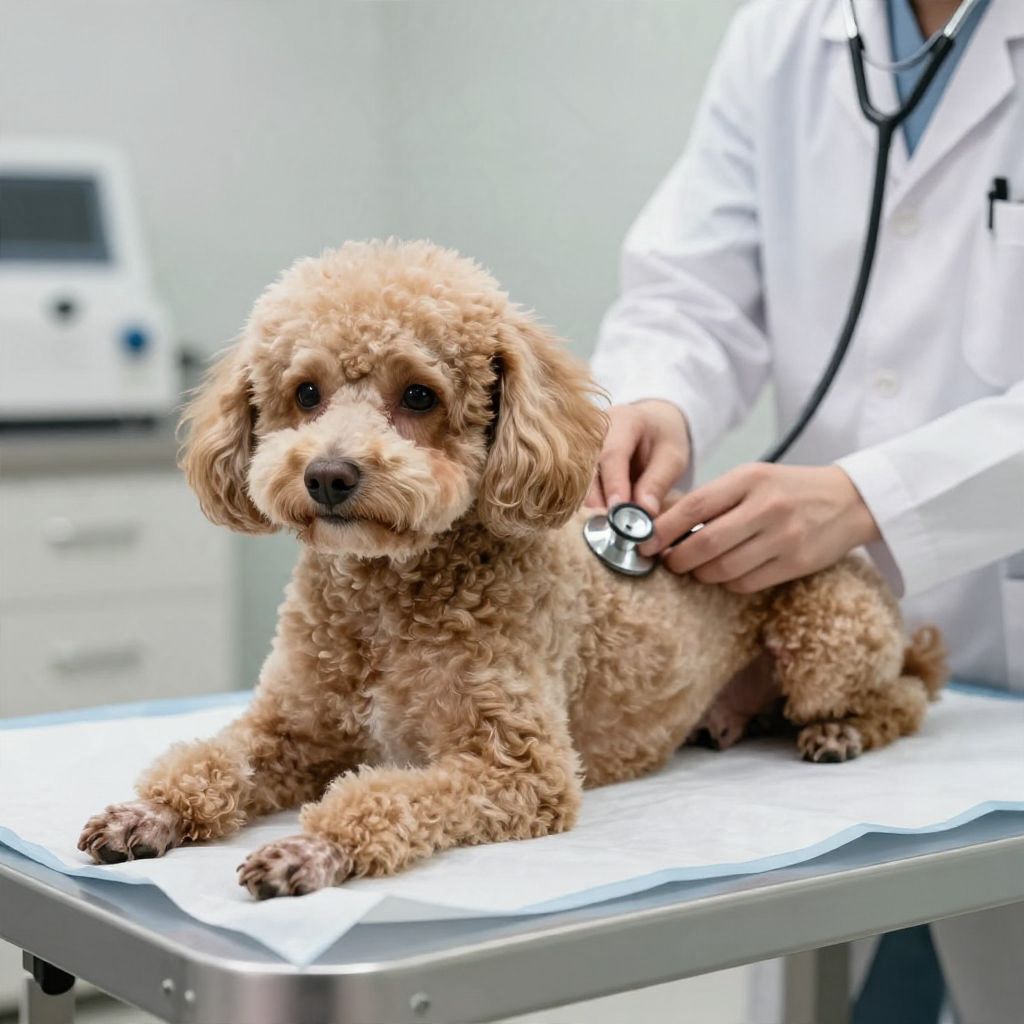
What are the final stages of Cushing’s disease in dogs? In the late stages, many dogs become weaker, less active, and more prone to complications such as infections, high blood pressure, diabetes, blood clots, or organ strain. At this point, quality of life, comfort, and close veterinary guidance become the main priorities.
The exact course varies by dog, the type of Cushing’s disease, and whether other illnesses are present. If your dog is declining, your veterinarian can help you understand what changes are expected, what is urgent, and how to keep your dog comfortable.
What Are The Final Stages Of Cushing’S Disease In Dogs?
The final stages of Cushing’s disease in dogs usually involve worsening weakness, muscle loss, a pot-bellied appearance, heavy panting, poor coat quality, recurrent infections, increased thirst and urination, and sometimes serious complications like diabetes, blood clots, or neurologic signs. Some dogs also become lethargic, confused, or unable to stand comfortably.
What Cushing’s Disease Means in Dogs
Cushing’s disease, also called hyperadrenocorticism, happens when a dog’s body makes too much cortisol or receives too much cortisol-like medication. The hormone excess affects many organs, so signs can build slowly and look “normal” at first, especially in older dogs.
There are different causes, including pituitary-dependent disease, adrenal tumors, and steroid-induced Cushing’s syndrome. The cause matters because treatment options, prognosis, and progression can differ.
Common Signs That Cushing’s Disease Is Progressing
As the disease advances, you may notice that everyday activities become harder for your dog. Some signs are gradual, while others can appear more suddenly if a complication develops.
- Marked increase in thirst and urination
- Frequent accidents in the house
- Muscle wasting, especially over the back and hind legs
- Weakness, stiffness, or trouble climbing stairs
- Persistent panting, even at rest
- Thin skin, hair loss, or slow coat regrowth
- Pot-bellied appearance from muscle loss and abdominal changes
- Recurrent skin or ear infections
- Low energy or reluctance to walk, play, or eat normally
Not every dog will show all of these signs. Some dogs remain bright and alert for a long time, while others decline faster because of age, breed tendencies, or another medical problem.
What the Final Stages Often Look Like
In advanced Cushing’s disease, the body is often under constant strain. You may see a dog that is visibly weaker, less able to rise, and less interested in food, play, or interaction. Some dogs become more fragile and may seem to “age” quickly over a short period.
Physical decline
Muscle loss can make the spine, hips, and rear legs look more prominent. Your dog may tire quickly on walks, struggle to get comfortable, or have trouble standing for long periods.
Skin and coat problems
The skin may become thin and delicate, bruising more easily. Repeated infections, hair loss, and poor coat quality are common because excess cortisol interferes with normal skin repair and immune function.
Behavior and energy changes
Some dogs become withdrawn, sleep more, or seem less engaged. Others remain mentally alert but physically limited. Changes in behavior can also reflect pain, infection, or another disease happening at the same time.
Serious Complications That Can Happen Late in the Disease
The final stages are often defined less by one single symptom and more by complications. These problems can be life-threatening and need veterinary attention.
- Diabetes mellitus, which can cause weight loss, weakness, and increased thirst and urination
- High blood pressure, which may affect the eyes, kidneys, heart, or brain
- Blood clots, which can cause sudden weakness, collapse, or breathing trouble
- Pancreatitis, which may cause vomiting, abdominal pain, and reduced appetite
- Recurrent infections of the skin, bladder, or ears
- Kidney strain or worsening kidney disease
- Neurologic signs if the brain is affected by severe disease or pressure changes
Some dogs with Cushing’s disease also have other age-related conditions, so the final stage may reflect several illnesses at once rather than Cushing’s disease alone.
Red-Flag Signs That Need Urgent Veterinary Care
Do not wait if your dog shows sudden or severe changes. These can be emergencies, whether or not Cushing’s disease has already been diagnosed.
- Collapse or inability to stand
- Sudden severe weakness, especially in the back legs
- Labored breathing or blue-tinged gums
- Seizures
- Repeated vomiting or vomiting with abdominal pain
- Bloated abdomen or obvious distress
- Sudden blindness or disorientation
- Black, tarry stool or coughing up blood
- Refusing water and food for a prolonged period
If you suspect a blood clot, severe infection, diabetic crisis, or another emergency, contact your veterinarian or an emergency clinic right away.
How Veterinarians Assess Quality of Life in the Final Stages
When Cushing’s disease is advanced, the key question is often not only “what is the diagnosis?” but “how is your dog feeling day to day?” Your veterinarian may look at comfort, mobility, appetite, breathing, hygiene, and response to treatment.
Questions that help guide the conversation
- Is your dog still eating and drinking willingly?
- Can your dog rise, walk, and toilet with reasonable comfort?
- Are infections or accidents becoming frequent?
- Does your dog still enjoy attention, walks, or favorite routines?
- Are there signs of pain, anxiety, or breathlessness?
These questions help determine whether treatment is still helping, whether plans should change, or whether palliative care is the kindest option.
What Supportive Care May Look Like
Supportive care focuses on comfort, dignity, and reducing stress. It does not replace veterinary treatment, but it can make a meaningful difference in a dog’s daily life.
- Keeping water available and monitoring urination
- Using easy-to-clean bedding and frequent potty breaks
- Helping with stairs, slippery floors, and getting in and out of cars
- Managing skin and ear infections promptly
- Maintaining a calm routine with gentle activity
- Following your veterinarian’s plan for monitoring and medication changes
Some dogs also benefit from pain management, appetite support, or treatment for related conditions. Never change or stop medication without veterinary guidance, especially if your dog is on steroids or Cushing’s therapy.
Nutrition, Weight, and Daily Care in Advanced Cushing’s Disease
Dogs with Cushing’s disease may gain abdominal fat early and lose muscle later, so body condition can be misleading. Your veterinarian may recommend a diet plan tailored to any diabetes, kidney disease, pancreatitis risk, or weight change.
Practical daily care often matters more than trying to “fix” the disease at home. Focus on predictable meals, easy access to water, gentle movement, and a clean resting area. If your dog is incontinent, frequent bedding changes and skin care can help prevent irritation and infection.
When Treatment May No Longer Be Enough
Sometimes treatment still helps a dog feel better for a time, but eventually the disease or its complications may become difficult to control. This does not mean you failed your dog. It means the illness has progressed and the focus may need to shift to comfort.
Your veterinarian may discuss palliative care or humane euthanasia if your dog has persistent suffering, repeated crises, severe weakness, or a poor response to treatment. That conversation can be emotional, but it is an important part of responsible care.
Common Mistakes to Avoid
When you are worried about the final stages of Cushing’s disease in dogs, it is easy to feel pressured to act quickly. Try to avoid these mistakes:
- Waiting too long to report sudden weakness, collapse, or breathing changes
- Stopping prescribed medication without veterinary advice
- Assuming accidents or panting are “just old age”
- Using unproven supplements or home remedies instead of medical care
- Ignoring recurring infections or skin changes
Early communication with your veterinarian can prevent unnecessary suffering and may identify treatable complications sooner.
What You Can Do Right Now
If your dog has Cushing’s disease and seems to be declining, make a list of the changes you have noticed, including appetite, water intake, urination, mobility, breathing, and behavior. Bring that list to your veterinarian, along with any questions about comfort care or prognosis.
Ask whether your dog should be rechecked soon, whether any tests are needed, and what signs would mean an emergency visit. Clear guidance can help you make calmer decisions and support your dog more effectively.
Final Thoughts
The final stages of Cushing’s disease in dogs usually involve increasing weakness, muscle loss, infections, and a higher risk of serious complications. Your veterinarian can help you judge whether treatment is still helping and how to keep your dog comfortable. If your dog is suddenly worse, seek urgent care right away.
If you are also trying to understand end-of-life changes more broadly, you may find it helpful to read about signs a dog is dying and signs your dog is dying of old age.