
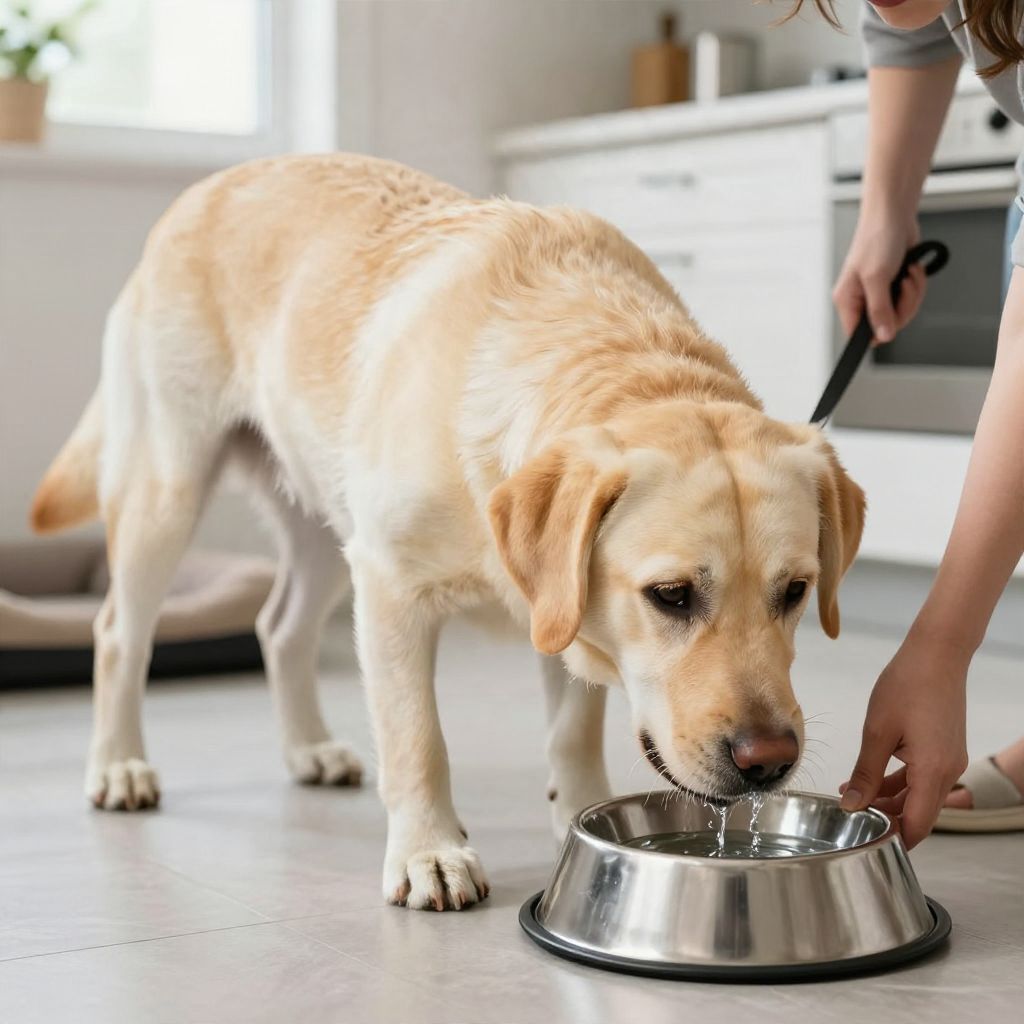
My dog is drinking a lot of water, and you may be wondering whether it is harmless or a sign of a problem. Sometimes increased thirst is normal, especially after exercise, hot weather, dry food, or nursing.
But sudden or ongoing changes in drinking can also point to illness, so it is worth paying attention to how much your dog drinks, how often they urinate, and whether any other symptoms are present.
My Dog Is Drinking A Lot Of Water: Is It Normal?
Sometimes, yes. A dog may drink more after exercise, heat, salty treats, dry kibble, stress, or certain life stages such as puppyhood, pregnancy, or lactation. If the increase is sudden, persistent, or paired with other symptoms, contact your veterinarian because excess thirst can signal a medical issue.
What Counts as “A Lot” of Water?
There is no single number that fits every dog. Water needs vary with body size, activity level, diet, weather, and health status.
As a general guide, many dogs drink more when they eat dry food than when they eat wet food. Larger dogs usually need more total water than smaller dogs, but a noticeable change from your dog’s usual pattern matters more than a strict amount.
Signs the increase may be meaningful
- Your dog is visiting the water bowl much more often than usual.
- You are refilling the bowl far more than normal.
- Your dog is also urinating more, having accidents, or waking at night to pee.
- The thirst started suddenly and does not match heat or exercise.
Common Reasons Dogs Drink More Water
Some causes are harmless and temporary, while others need veterinary attention. Looking at the whole picture helps you decide what to do next.
Normal or situational causes
- Hot weather or heavy exercise: Dogs pant to cool down and may drink more afterward.
- Dry food: Kibble contains less moisture than canned or fresh diets.
- Saltier foods or treats: These can make dogs thirstier.
- Stress or excitement: Some dogs drink more when routines change.
- Pregnancy or nursing: Water needs can rise significantly.
- Recent grooming or bathing: Some dogs drink after a warm, active day.
Medical causes that can increase thirst
- Diabetes mellitus
- Kidney disease
- Urinary tract infection or other urinary problems
- Hormonal disorders such as Cushing’s disease
- Liver disease
- Fever, pain, or inflammation
- Medication side effects, including some steroids and diuretics
These conditions cannot be diagnosed at home from thirst alone. Your veterinarian may recommend an exam, bloodwork, urine testing, or other diagnostics based on your dog’s signs.
When Increased Thirst Is an Emergency
Some symptoms mean your dog needs urgent veterinary care, not a wait-and-see approach. If your dog is drinking a lot of water and also seems very unwell, seek help right away.
- Repeated vomiting or severe diarrhea
- Weakness, collapse, or trouble standing
- Bloated abdomen or obvious abdominal pain
- Not eating plus marked lethargy
- Labored breathing
- Confusion, seizures, or disorientation
- Blood in urine or inability to urinate
- Signs of dehydration despite drinking, such as tacky gums or sunken eyes
If your dog cannot keep water down, cannot urinate, or is suddenly very weak, treat it as urgent.
What You Can Check at Home
You can gather useful information before calling your vet. This helps your veterinarian judge whether the change is mild, moderate, or more concerning.
- Measure the water: Note how much you put out and how much is left at the end of the day.
- Watch urination: More drinking often leads to more peeing, but accidents, straining, or frequent small amounts are also important.
- Review recent changes: New food, treats, medications, weather, exercise, or stressors can matter.
- Look for other symptoms: Appetite changes, weight loss, vomiting, coughing, panting, or low energy are clues.
- Check the bowl and environment: Make sure the bowl is clean and water is fresh.
How Diet and Lifestyle Can Affect Thirst
Sometimes the explanation is simple. A dog eating dry kibble may naturally drink more than a dog eating a moisture-rich diet, and active dogs often need more water on warm days.
Nutrition factors to consider
- Dry vs. wet food: Dry diets usually require more drinking.
- High-salt foods: Table scraps, salty treats, and some processed foods can increase thirst.
- Sudden diet changes: A new food may alter drinking and stool quality.
- Too many treats: Extra snacks can affect overall hydration and health.
If you want to adjust your dog’s diet, do so gradually and choose a complete, balanced food appropriate for your dog’s age and health. Do not use human foods as a replacement for a proper diet.
Why Puppies, Seniors, and Sick Dogs Need Extra Attention
Age and health status change what “normal” looks like. Puppies often drink more relative to their size because they are growing, active, and still learning house training.
Senior dogs may drink more because of age-related disease, medication use, or reduced kidney function. If an older dog suddenly starts drinking much more, it deserves prompt veterinary attention.
Puppies
- They may drink frequently in small amounts.
- Frequent urination can be normal, but accidents should still be monitored.
- Sudden excessive thirst is not something to ignore.
Senior dogs
- Monitor water intake and urination patterns closely.
- Watch for weight loss, weakness, or changes in appetite.
- Keep a record of when the change started and how fast it progressed.
What Not to Do When Your Dog Is Drinking Too Much
It is tempting to make quick changes, but some approaches can be unsafe or unhelpful.
- Do not restrict water suddenly. If your dog is thirsty, limiting water can worsen dehydration or mask a problem.
- Do not assume it is “just hot weather” if the behavior persists after the temperature cools.
- Do not give human medications unless your veterinarian specifically instructs you to do so.
- Do not wait too long if the thirst is paired with vomiting, lethargy, or urinary changes.
How Your Veterinarian May Evaluate the Problem
If you bring your dog in for increased thirst, your veterinarian will likely ask about diet, medications, activity, urination, and any other symptoms. They may also recommend tests to look for common causes.
Possible steps include a physical exam, urinalysis, blood chemistry, and sometimes imaging. The exact workup depends on your dog’s age, history, and overall condition.
Practical Tips While You Monitor Your Dog
While you are waiting for a vet visit or watching for patterns, keep things simple and consistent.
- Keep fresh water available at all times.
- Offer regular potty breaks, especially for puppies and senior dogs.
- Track drinking and urination for a day or two.
- Note any new food, treats, medications, or supplements.
- Keep exercise moderate if your dog seems tired or unwell.
If your dog seems otherwise normal and the extra drinking clearly follows heat, exercise, or salty food, you can monitor closely for a short time. If the pattern continues or you are unsure, call your veterinarian for advice.
When to Call the Vet Even If There Is No Emergency
Make an appointment if your dog is drinking more water for more than a day or two without an obvious reason, especially if the change is new. Also call if the increase comes with increased urination, weight loss, appetite changes, or repeated accidents in the house.
Early evaluation can catch problems sooner and may make treatment easier. It is better to ask about a suspicious change than to assume it will pass on its own.
For more helpful dog-care reading, you may also want to learn how long a dog can go without water and how much water a puppy should drink.
Bottom line: if my dog is drinking a lot of water, I should first consider heat, exercise, diet, and routine changes, but I should also watch closely for illness signs. If the thirst is sudden, ongoing, or paired with vomiting, lethargy, or urinary changes, contact your veterinarian promptly.