
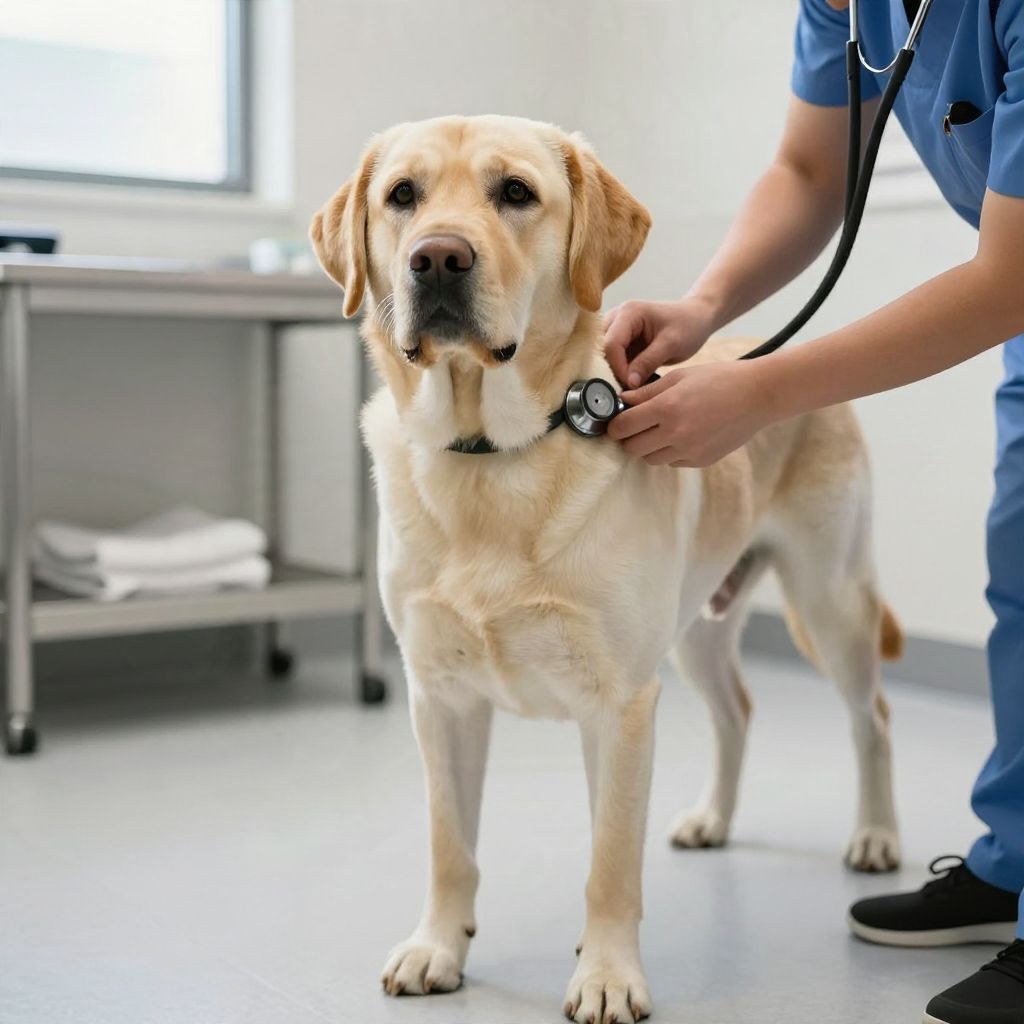
What is Bordetella in dogs, and why do veterinarians talk about it so often? Bordetella is a bacterium that can contribute to contagious respiratory illness in dogs, especially in places where many dogs mix closely together. It is one of several germs associated with kennel cough.
If your dog is coughing, sneezing, or recently boarded, visited a dog park, or attended daycare, Bordetella may be part of the concern. The right next step depends on your dog’s age, health, vaccination status, and symptoms, so it’s important to know what it means and when to call your vet.
What Is Bordetella in Dogs?
Bordetella usually refers to Bordetella bronchiseptica, a bacterium that can infect a dog’s respiratory tract. It is commonly linked with kennel cough, a contagious cough syndrome caused by several germs, not just one. Many dogs recover well, but puppies, seniors, and dogs with other health problems can be more vulnerable.
How Bordetella Spreads
Bordetella spreads mainly through respiratory droplets and close contact between dogs. Shared air in kennels, grooming salons, shelters, daycare, training classes, and dog parks can increase exposure.
Common situations where exposure may happen
- Boarding or daycare facilities
- Dog parks and group play sessions
- Training classes with close dog-to-dog contact
- Shelters or rescue environments
- Shared bowls, toys, or surfaces in high-traffic dog areas
Not every exposed dog gets sick. Risk depends on immune status, age, stress level, and whether the dog has been vaccinated or has other respiratory disease.
What Does Bordetella Cause?
Bordetella can contribute to kennel cough, which is usually a dry, hacking cough. Some dogs also have sneezing, nasal discharge, mild lethargy, or a reduced appetite. In many cases, the illness is mild, but it can become more serious if infection spreads deeper into the lungs.
Signs that may fit kennel cough
- Frequent dry cough
- Gagging or retching after coughing
- Runny nose
- Watery eyes
- Mild tiredness
- Decreased interest in food
Because other problems can cause coughing too, you should not assume every cough is Bordetella. Heart disease, collapsing trachea, allergies, pneumonia, and foreign material in the airway can look similar.
Is Bordetella the Same as Kennel Cough?
No. Bordetella is one possible cause of kennel cough, but kennel cough is a broad term for contagious respiratory illness in dogs. Other viruses and bacteria can be involved, and more than one germ may be present at the same time.
This is why vaccination can reduce risk without guaranteeing complete protection. A vaccinated dog may still cough, but illness is often less severe or less likely, depending on the dog and the exposure.
How the Bordetella Vaccine Fits In
Many veterinarians recommend Bordetella vaccination for dogs with regular exposure to other dogs, such as those who board, attend daycare, or visit grooming salons. The vaccine is commonly given as an injection, nasal spray, or oral form, depending on the product your vet uses.
Why vaccination is worth discussing
- It may lower the chance of infection or reduce severity
- It can be important for facilities that require proof of vaccination
- It is often recommended for dogs with frequent social contact
Vaccination needs vary. Puppies, seniors, brachycephalic dogs, immunocompromised dogs, and dogs with chronic illness may need individualized advice from a veterinarian about timing and product choice.
What If Your Dog Has Symptoms?
If your dog has a mild cough but is otherwise bright, breathing comfortably, and eating normally, call your veterinarian for guidance. They may recommend an exam, testing, rest, and limiting contact with other dogs while your pet recovers.
Red flags that need urgent veterinary care
- Labored or rapid breathing
- Blue or pale gums
- Severe lethargy or collapse
- High fever or marked weakness
- Loss of appetite lasting more than a short time in a sick dog
- Persistent coughing that worsens or becomes productive
- Signs of dehydration
Do not wait if your dog is struggling to breathe, collapsing, or seems seriously unwell. Those signs can indicate pneumonia or another emergency that needs prompt veterinary attention.
How Vets Evaluate a Suspected Bordetella Case
Your veterinarian may diagnose based on your dog’s history and exam, especially if there was recent exposure to other dogs. In some cases, they may recommend testing to look for specific infectious agents or to rule out more serious causes of coughing.
Information that helps your vet
- When the cough started
- Whether your dog has been around other dogs recently
- Vaccination history
- Any nasal discharge, fever, or appetite changes
- Whether the cough is dry, wet, or followed by gagging
Bring a video of the coughing if you can. That small detail often helps a veterinarian tell the difference between coughing, gagging, reverse sneezing, and retching.
How Bordetella Is Managed
Management depends on severity. Mild cases may improve with rest and reduced exposure to other dogs, while more significant illness may need prescription treatment and close monitoring. Your veterinarian will decide what is appropriate based on your dog’s condition.
Helpful home care basics
- Keep your dog calm and rested
- Avoid dog parks, daycare, and boarding until your vet says it is safe
- Use a harness instead of a collar if coughing is triggered by neck pressure
- Offer water frequently and monitor appetite
- Keep your dog away from vulnerable pets, especially puppies and immunocompromised dogs
Do not give human cough medicines or leftover antibiotics unless your veterinarian specifically instructs you to do so. Some products are unsafe for dogs, and the wrong medication can delay proper care.
Can Bordetella Be Prevented?
You cannot prevent every exposure, but you can lower risk. Vaccination, good hygiene, and smart social choices make a difference, especially for dogs who regularly spend time around other dogs.
Practical prevention steps
- Keep Bordetella vaccination current if your vet recommends it.
- Choose well-managed boarding, daycare, and grooming facilities.
- Avoid crowded dog settings when respiratory illness is going around.
- Wash hands after handling unfamiliar dogs.
- Do not share bowls, toys, or bedding between dogs from different households.
- Keep sick dogs at home and away from others.
Prevention is especially important for puppies, older dogs, and dogs with chronic disease because they may have a harder time recovering if they become ill.
Common Misunderstandings About Bordetella
One common mistake is assuming a vaccinated dog cannot get kennel cough. Vaccines help, but they do not create perfect immunity against every cause of respiratory illness.
Another mistake is treating any cough as “just kennel cough” without considering other causes. If the cough is severe, lasts longer than expected, or comes with breathing changes, your dog needs a veterinary exam.
What Bordetella does not mean
- It does not automatically mean your dog is dangerously ill
- It does not mean every cough is caused by the same germ
- It does not mean home care alone is always enough
When to Keep Your Dog Away From Others
If your dog is coughing, sneezing, or has nasal discharge, keep them away from other dogs until your veterinarian advises otherwise. This helps protect dogs that may be more vulnerable and reduces the chance of spreading illness in your community.
Even if symptoms seem mild, contagious respiratory disease can spread before a dog looks very sick. That is why temporary isolation and good hygiene are important.
When to Call Your Veterinarian
Call your veterinarian if your dog has a new cough, especially after exposure to other dogs. You should also call if symptoms are not improving, if your dog has a fever, or if you are unsure whether the cough is mild enough to monitor at home.
If your dog has trouble breathing, collapses, turns pale or blue, or becomes suddenly much worse, seek urgent veterinary care right away.
For more related dog-health reading, you may also find can dogs get stomach bugs? and why is my dog having diarrhea? helpful if your dog is dealing with other sudden illness signs.
In short, Bordetella is a contagious bacterium associated with kennel cough, and the safest approach is to watch for symptoms, limit exposure to other dogs, and contact your veterinarian if your dog seems unwell or has any breathing concerns.