
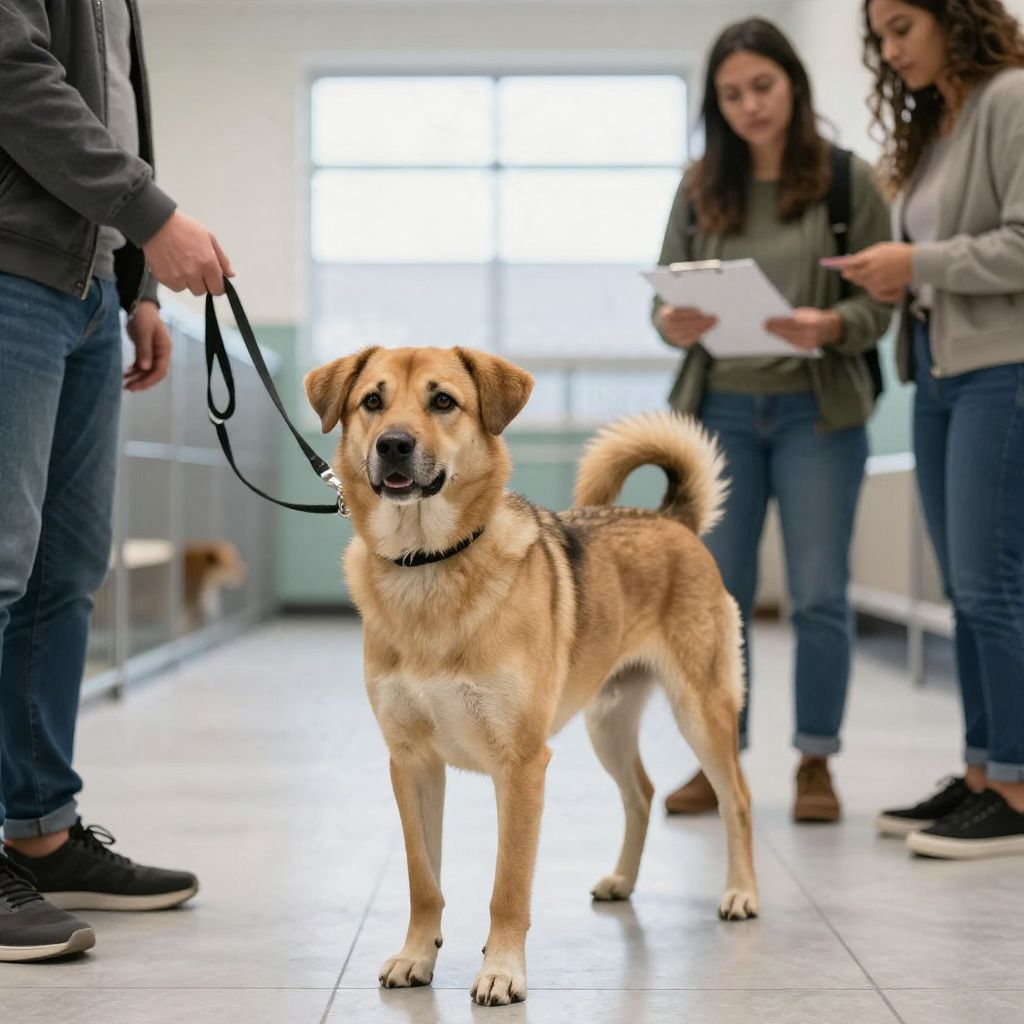
If you’re asking where can I buy a dog, the best place depends on whether you want a puppy, an adult dog, or a specific breed. Good options include reputable shelters, breed rescues, and responsible breeders who prioritize health and temperament.
Before you commit, think about your lifestyle, budget, time for training, and the dog’s age and needs. A careful search helps you avoid impulse buys, unhealthy puppies, and sellers who do not provide proper care or honest information.
Where can I buy a dog?
You can buy a dog from a reputable shelter, breed-specific rescue, or responsible breeder. The right source should let you meet the dog, review health and behavior information, and ask questions. Avoid sellers who pressure you, hide the dog’s living conditions, or refuse to share veterinary records.
Best places to look first
The best place to get a dog depends on what you want and what you can provide. Some people want a puppy to raise from the start, while others prefer an adult dog with a known personality.
Animal shelters and humane societies
Shelters are often a strong choice if you want to adopt a dog in need of a home. Many shelters assess behavior, vaccinate dogs, and help match you with a dog that fits your household.
- Good for mixed-breed dogs and many adult dogs
- Often lower cost than buying from a breeder
- May include already house-trained or socialized dogs
Breed-specific rescues
If you want a particular breed, a rescue organization can be a useful option. These groups often know more about the dog’s history, energy level, and training needs than a general marketplace seller.
- Helpful if you want a breed with predictable general traits
- May have puppies, adults, or seniors
- Usually screen adopters carefully
Responsible breeders
If you want a purebred puppy or a dog with known lineage, look for a responsible breeder. A good breeder focuses on health testing, early socialization, and matching puppies to suitable homes rather than producing as many litters as possible.
- Should welcome questions and allow you to meet the puppy’s mother when possible
- Should provide health records and proof of veterinary care
- Should not sell puppies too young
How to choose a safe source
Not every place that sells dogs is trustworthy. A careful buyer looks for transparency, clean conditions, and a willingness to answer detailed questions.
- Ask where the dog has been living and who has cared for it.
- Request veterinary records, vaccination history, and deworming information.
- Meet the dog in person when possible, or ask for a live video call if distance is an issue.
- Observe the dog’s behavior, body condition, and energy level.
- Read the contract carefully, including return or health guarantee terms.
Red flag: If a seller will not show you the dog, refuses questions, or insists on a rushed sale, walk away.
Questions to ask before you buy
Good sellers expect questions. The answers help you judge whether the dog is healthy, well cared for, and a good fit for your home.
- How old is the dog?
- What vaccines and parasite prevention has the dog received?
- Has the dog seen a veterinarian recently?
- What is the dog eating now?
- How does the dog behave around people, children, or other animals?
- Has the dog had any training or house-training?
- What happens if the dog does not work out in my home?
If the dog is a puppy, ask how it has been socialized, whether it has started basic handling, and how it has been exposed to normal household sounds and routines.
What to expect when buying a puppy
Buying a puppy is different from adopting an adult dog. Puppies need more time, supervision, training, and patience, especially during house-training and socialization.
Puppy care basics
A young puppy usually needs frequent potty breaks, gentle handling, and a consistent routine. It also needs safe chew toys, age-appropriate food, and early positive experiences with people, places, and sounds.
- Plan for house-training accidents
- Use reward-based training from the start
- Schedule a veterinary visit soon after bringing the puppy home
Buying a puppy responsibly
Look for puppies that are bright, alert, and raised in a clean environment. Avoid puppies that seem lethargic, have eye or nose discharge, cough, diarrhea, or appear underweight.
Urgent veterinary care: A puppy with vomiting, bloody diarrhea, trouble breathing, collapse, or severe weakness needs prompt veterinary attention.
What to expect when buying an adult dog
Adult dogs can be an excellent choice if you want a more predictable personality and often a lower-maintenance start than a puppy. Many adult dogs already know some house manners, but they may still need training, decompression time, and patience.
Why adult dogs can be a good fit
- You can better judge size, energy level, and temperament
- They may settle into a routine faster than a puppy
- Some already have basic training
Things to ask about adult dogs
Ask about the dog’s history, triggers, exercise needs, and comfort with handling. A dog that has had a difficult past may still thrive in a stable home, but you should know what support it needs.
How breed, age, and temperament affect your choice
Breed can give you clues about general tendencies, but it does not guarantee behavior. Individual dogs vary based on genetics, upbringing, health, and training.
- Breed: Some breeds are often more energetic, while others may be more laid-back, but each dog is an individual.
- Age: Puppies need more training; adults may have established habits; seniors may need gentler exercise and more veterinary monitoring.
- Temperament: A calm dog in one setting may become anxious in another, so observe the dog in real situations when possible.
- Health: Chronic issues, allergies, orthopedic concerns, and dental disease can affect care needs and cost.
If you are unsure which type of dog suits your household, it can help to read more about what kind of dog is best for me before you choose.
Costs and responsibilities to plan for
The purchase price is only part of the cost of dog ownership. You should budget for food, routine veterinary care, parasite prevention, grooming, training, supplies, and emergency expenses.
- Initial veterinary exam and vaccines
- Spay or neuter if not already done and recommended by your vet
- Food, bowls, leash, collar or harness, bed, crate, and toys
- Training classes or behavior support if needed
- Ongoing grooming for coat care and nail trims
Some dogs also need special diets, medication, or extra behavior support, which can increase long-term costs.
Common mistakes to avoid
Many problems start when people buy too quickly or choose a seller based only on price or convenience. A slower, more careful process usually leads to a better match.
- Buying from a seller who won’t answer questions
- Choosing a dog only because it looks cute
- Ignoring the dog’s energy level or training needs
- Skipping a veterinary check after bringing the dog home
- Assuming a puppy will “grow out of” behavior problems without training
If you are searching for puppies locally, it may help to review practical tips on how to find puppies for sale near me while still checking that the source is reputable.
When to involve a veterinarian or trainer
A veterinarian should examine any new dog soon after you bring it home, especially if the dog is young, has known medical issues, or shows signs of illness. A certified trainer or veterinary behaviorist can help if the dog is fearful, reactive, destructive, or difficult to manage safely.
Get help promptly if you notice
- Repeated vomiting or diarrhea
- Refusal to eat for more than a short period in a puppy or any dog that seems unwell
- Difficulty breathing
- Severe lethargy, collapse, or weakness
- Aggression that creates a safety risk
- Persistent coughing, limping, or pain
Do not wait if your dog seems seriously ill or injured. Quick veterinary care can make a major difference.
Final advice before you decide
The best answer to where can I buy a dog is: from a place that puts the dog’s welfare first and gives you honest information. Whether you adopt or buy, choose a source that supports a healthy, well-matched start.
Take your time, ask questions, and be realistic about the dog’s needs. A thoughtful choice now makes it much more likely that you and your new dog will do well together for years to come.