
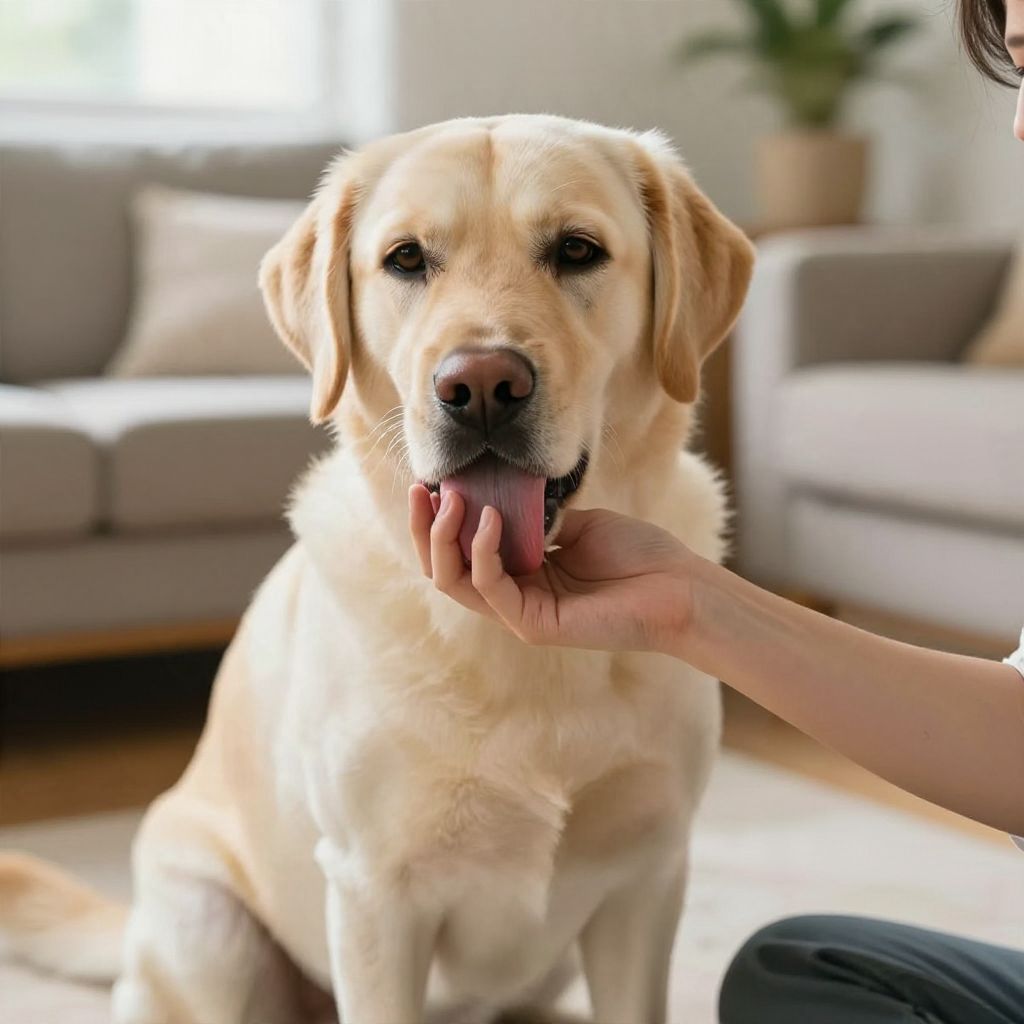
Dogs lick people for many reasons, and most of them are normal. Licking can be a sign of affection, attention-seeking, exploration, stress, or even a response to taste and smell on your skin.
Usually, dog licking is harmless, but frequent or sudden licking can also point to anxiety, discomfort, or a medical issue. The context matters, so it helps to watch when it happens and what your dog is trying to communicate.
What Does It Mean When Dogs Lick You?
When dogs lick you, they are usually communicating, exploring, or self-soothing. It can mean affection, a request for attention, interest in salt or food residue, or stress. If the licking is sudden, intense, or paired with other behavior changes, it may signal a health or anxiety concern.
Common Reasons Dogs Lick People
Licking is a normal dog behavior, but the meaning depends on the situation. A relaxed dog licking your hand during petting is different from a dog that cannot seem to stop licking your feet or face.
Affection and social bonding
Many dogs lick as part of their social behavior. It can be a friendly gesture, especially if your dog is calm, loose-bodied, and seeking closeness.
Attention-seeking
Some dogs learn that licking gets a reaction. If you laugh, pet them, or talk to them every time they lick, they may repeat the behavior because it works.
Taste and scent
Your skin may taste salty, or it may carry traces of lotion, sweat, food, or outdoor scents. Dogs have strong noses and often investigate with their mouths.
Stress or self-soothing
Repeated licking can be a coping behavior. Some dogs lick people, themselves, or nearby surfaces when they feel uncertain, overexcited, or anxious.
Learned habit
In some dogs, licking becomes a habit over time. If the behavior has been reinforced for months or years, it may continue even when there is no obvious trigger.
When Licking Is Normal vs. When It May Be a Problem
Occasional licking is usually normal, especially if your dog is otherwise relaxed and healthy. Concern grows when licking becomes frequent, hard to interrupt, or starts suddenly without a clear reason.
- Usually normal: brief licking during greetings, cuddling, or after you ate something tasty.
- Worth monitoring: repetitive licking that happens at certain times, such as when you sit down or leave the room.
- Needs attention: obsessive licking, licking with pacing, whining, hiding, restlessness, or changes in appetite.
Possible health-related causes
Sometimes licking is linked to nausea, pain, skin irritation, dental discomfort, or other medical issues. A dog that suddenly starts licking you more than usual may be trying to communicate that something feels off.
If your dog also licks objects, floors, or their own body excessively, or if the behavior comes with vomiting, diarrhea, drooling, bad breath, limping, or skin changes, contact your veterinarian.
What Your Dog May Be Communicating
Dogs do not lick for one single reason, so it helps to read the whole picture. Body language, timing, and your dog’s history all matter.
- Relaxed licking: soft eyes, loose body, calm tail, and easy stopping.
- Excited licking: jumping, wagging, and licking during greetings or play.
- Anxious licking: tense posture, panting, yawning, avoidance, or clinginess.
- Persistent licking: repeated attempts that seem hard for your dog to control.
Breed can influence style and intensity, but it does not determine meaning on its own. Individual temperament, age, training, and life experience are often more important than breed labels.
Should You Let Your Dog Lick You?
That depends on your comfort, hygiene preferences, and your dog’s behavior. Many healthy dogs lick harmlessly, but you do not have to allow it if you dislike it or if it becomes excessive.
Hygiene considerations
Dog mouths can carry bacteria, and licking broken skin, eyes, or mouths is not a good idea. Extra caution is wise if you have a weakened immune system, open wounds, or concerns about infection.
- Avoid letting your dog lick cuts, scrapes, or irritated skin.
- Wash your hands or skin after licking if needed.
- Keep up with routine veterinary care, including parasite prevention and dental care.
When to discourage licking
You may want to redirect licking if it is constant, uncomfortable, or tied to anxiety. It is also reasonable to reduce licking if your dog targets your face, wounds, or food-prep areas.
How to Reduce Excessive Licking
If your dog licks you too much, focus on calm, consistent management. Reward-based training works better than punishment because it teaches an alternative behavior without increasing stress.
- Stay neutral when licking starts. Avoid exciting reactions that may reinforce it.
- Gently move away or stand up for a few seconds if the licking is attention-seeking.
- Reward a different behavior, such as sitting, lying down, or holding a toy.
- Provide enrichment, exercise, and predictable routines to reduce boredom and stress.
- Teach a cue like “place” or “settle” so your dog has a clear alternative.
If your dog licks mainly when anxious or overstimulated, the goal is not just to stop the licking. You also need to lower the stress trigger and build calmer habits over time.
Helpful management ideas
- Offer a chew-safe toy or food puzzle when your dog wants to mouth or lick.
- Keep greetings calm and brief if excitement triggers licking.
- Use barriers or distance when needed, especially around guests.
- Practice short training sessions that reward calm behavior.
When to Call a Veterinarian
Contact your veterinarian if licking becomes sudden, extreme, or paired with other symptoms. A medical problem is more likely when the behavior is new and out of character for your dog.
Seek prompt veterinary advice if you notice any of the following:
- Vomiting, diarrhea, loss of appetite, or drooling
- Bad breath, pawing at the mouth, or trouble chewing
- Itching, redness, hair loss, or skin irritation
- Limping, stiffness, or sensitivity to touch
- Restlessness, pacing, whining, or other sudden behavior changes
Get urgent veterinary care if your dog has trouble breathing, collapses, seems disoriented, has repeated vomiting, or may have swallowed something toxic or sharp.
When to Ask a Trainer or Behavior Professional
If the licking is tied to anxiety, compulsive behavior, or difficulty settling, a certified reward-based trainer or veterinary behaviorist can help. This is especially useful when the behavior affects daily life or seems hard for you to interrupt.
Professional support can also help if your dog licks visitors, children, or the face of someone who does not want contact. A good plan should protect both your dog’s emotional comfort and your household boundaries.
What Not to Do
It is easy to accidentally make licking worse. Harsh corrections may increase stress and do not teach your dog what to do instead.
- Do not punish or scare your dog for licking.
- Do not assume all licking is “dominance” or stubbornness.
- Do not ignore sudden excessive licking if other symptoms are present.
- Do not reward the behavior every time if you want it to decrease.
Bottom Line
What does it mean when dogs lick you? Most often, it is a normal form of communication, affection, or exploration. Pay attention to the pattern, your dog’s body language, and any health changes, and get veterinary help if the licking is sudden, intense, or unusual.
If you want to learn more, you may also find what it means when a dog licks your face and why dogs lick excessively helpful for understanding the difference between normal affection and a behavior that needs attention.