
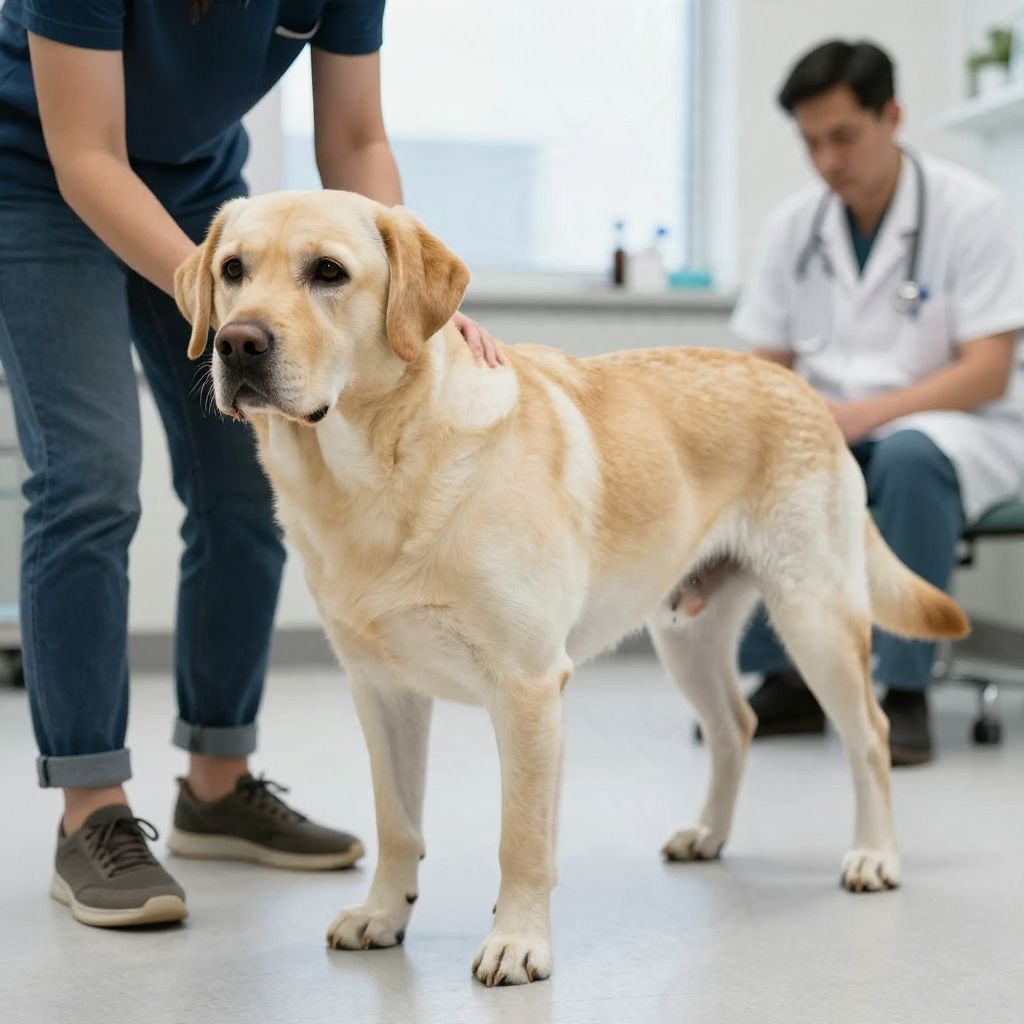
My dog is wobbly and off balance all of a sudden, and that can be scary. Sudden wobbliness can come from an ear problem, injury, toxin exposure, a neurologic issue, or another medical emergency, so it should be taken seriously.
If your dog is also vomiting, collapsing, having trouble standing, acting confused, or showing head tilt or eye flicking, contact a veterinarian right away. Quick assessment matters because some causes need urgent treatment.
My Dog Is Wobbly And Off Balance All Of A Sudden: What Does It Mean?
Sudden wobbliness usually means your dog’s balance system is not working properly. The cause may be mild, such as an ear infection, or serious, such as poisoning, trauma, a stroke-like event, or a neurologic disorder. Because the signs overlap, a veterinary exam is the safest next step.
Common Reasons A Dog Becomes Wobbly Suddenly
Balance depends on the ears, brain, nerves, muscles, and vision working together. A problem in any of these areas can make a dog stumble, sway, or fall.
Inner ear or ear infection
Problems in the inner ear can cause dizziness, head tilt, nausea, and unsteady walking. You may also notice ear odor, discharge, scratching, or pain when the ear is touched.
Vestibular disease
Vestibular disease affects the balance system and can make a dog look drunk or unable to keep its head level. It can happen in older dogs, but it can also occur in younger dogs depending on the cause.
Injury or pain
A fall, hit, jump injury, or spinal problem can make a dog weak or uncoordinated. Even if the dog can still walk, pain or nerve damage may be present.
Toxins or medication reactions
Some human medications, recreational drugs, pesticides, and other toxins can cause wobbliness, sedation, tremors, or collapse. If there is any chance your dog ate something unsafe, treat it as urgent.
Neurologic problems
Seizures, inflammation, brain disease, or stroke-like events can affect coordination and balance. These conditions may also cause abnormal eye movements, confusion, circling, or changes in behavior.
Low blood sugar or other metabolic issues
Small dogs, puppies, and dogs with certain illnesses can become weak or shaky if blood sugar drops. Liver disease, electrolyte problems, and other internal issues can also cause sudden unsteadiness.
When Sudden Wobbliness Is An Emergency
Some signs mean your dog needs urgent veterinary care, not watchful waiting. If you see any of the following, call your vet or an emergency clinic immediately:
- Collapse or inability to stand
- Repeated vomiting
- Seizure activity or twitching
- Trouble breathing
- Bleeding or obvious trauma
- Severe confusion, disorientation, or unresponsiveness
- Head tilt with rapid eye movements
- Known or suspected toxin exposure
- Sudden weakness on one side of the body
Do not wait for symptoms to “see if they pass” if your dog is getting worse or cannot walk safely.
What You Should Do Right Away
Until a veterinarian evaluates your dog, focus on safety and observation. Keep your dog calm, prevent falls, and avoid giving any human medicine unless a veterinarian specifically told you to do so.
- Move your dog to a quiet, padded area away from stairs and furniture.
- Limit walking and jumping to prevent injury.
- Check for vomiting, head tilt, eye flicking, shaking, or unusual behavior.
- Think about possible exposures, including medications, trash, plants, chemicals, or spoiled food.
- Call your veterinarian and describe the signs as clearly as possible.
Helpful details to tell the vet
- When the wobbliness started
- Whether it came on suddenly or got worse over time
- Any recent injury, grooming visit, boarding stay, or travel
- What your dog may have eaten or licked
- Any ear symptoms, vomiting, seizures, or behavior changes
- Your dog’s age, breed, and current medications
How Vets Usually Approach The Problem
A veterinarian will try to find whether the issue is coming from the ears, brain, nerves, muscles, or another body system. The exam may include checking balance, eye movements, ear health, pain, reflexes, hydration, and temperature.
Depending on what they find, your vet may recommend bloodwork, ear testing, imaging, or referral to a neurologist. The exact workup varies with your dog’s age, history, and the severity of the symptoms.
What Not To Do At Home
When your dog is suddenly off balance, some common well-meaning actions can make things worse. Avoid these mistakes:
- Do not force exercise or “walk it off.”
- Do not give over-the-counter pain relievers or sedatives without veterinary guidance.
- Do not try to clean deep in the ear if your dog is painful or unstable.
- Do not assume it is “just old age” if the change was sudden.
- Do not delay care if symptoms are progressing.
How Age, Size, And Health History Can Affect The Cause
Different dogs can show balance problems for different reasons, so context matters. Puppies may wobble from low blood sugar, toxin exposure, or injury, while senior dogs may be more prone to vestibular disease or chronic conditions.
Small dogs can be more vulnerable to blood sugar drops, and dogs with known ear problems may be more likely to have balance trouble related to the ear. Dogs with a history of seizures, cancer, heart disease, or toxin exposure may need a broader medical workup.
Can It Be Something Mild?
Sometimes the cause is treatable and not life-threatening, especially if the dog is otherwise alert and improving. Even so, “mild” is hard to judge at home because balance problems can look similar across many conditions.
If your dog is only slightly unsteady but still eating, responsive, and comfortable, call your vet for advice the same day. If the wobbliness is new, unexplained, or recurring, it still deserves attention.
Supporting Your Dog While You Wait For The Appointment
Short-term support is about comfort and preventing injury, not treating the cause yourself. Keep your dog on non-slip flooring, use a harness if you need to help them stand, and offer water if they can drink safely.
- Block off stairs and slippery rooms
- Use towels or blankets for padding
- Keep food and water close by
- Stay nearby in case your dog needs help getting up
If your dog seems nauseated, does not want to eat, or cannot keep water down, tell your veterinarian. Those details can help determine how urgent the case is.
Why Quick Veterinary Care Matters
Sudden loss of balance can be caused by conditions that improve with prompt treatment and by conditions that become more serious if delayed. Early care can reduce pain, prevent falls, and help your vet identify the cause before it worsens.
Even when the problem turns out to be manageable, your dog will be safer with a clear diagnosis and a plan tailored to their age and health status.
Bottom Line
If your dog is wobbly and off balance all of a sudden, treat it as a medical problem and contact a veterinarian promptly. Keep your dog safe, watch for emergency signs, and do not try to guess the cause at home.
For related reading, you may also find it helpful to learn about whether dogs can have strokes and what a dog seizure can look like.