
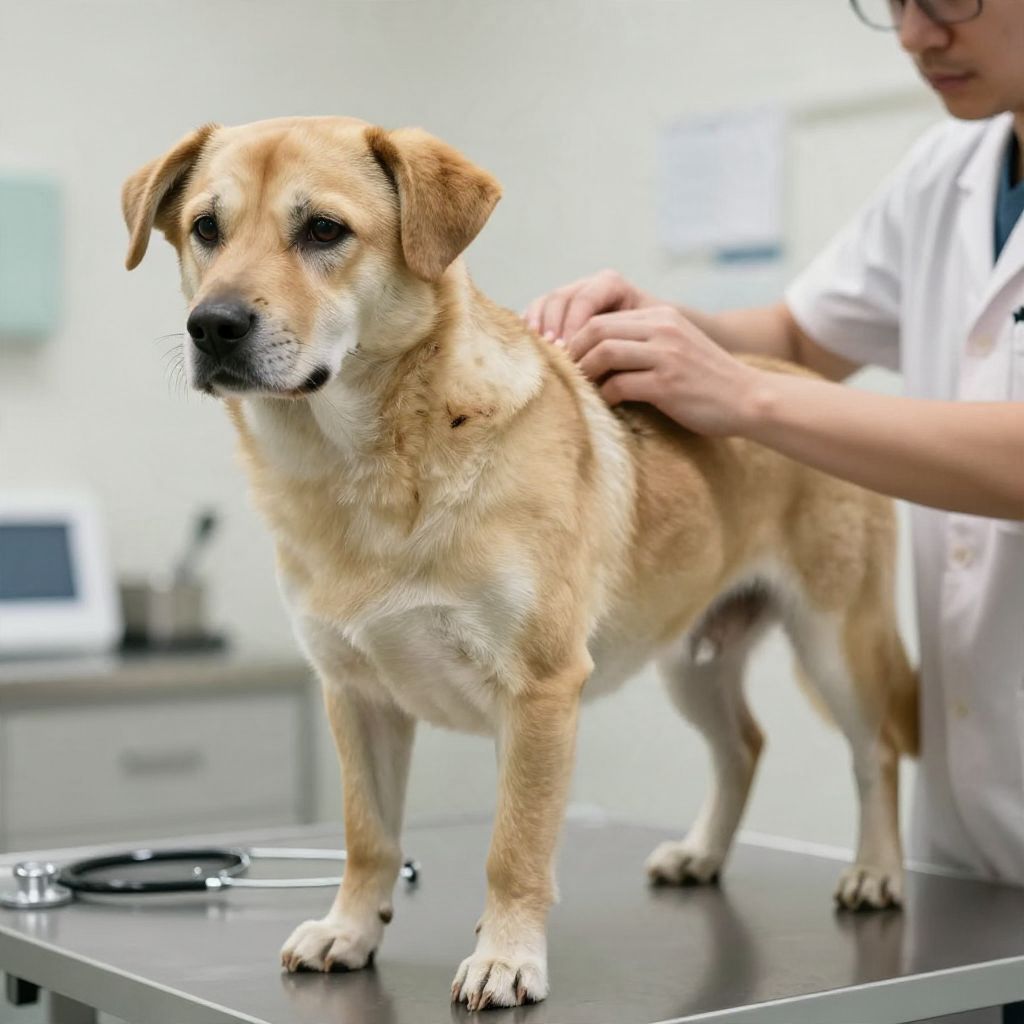
How does a dog get mange? Mange happens when microscopic mites live on or in a dog’s skin and multiply enough to cause irritation, hair loss, and inflammation. Some mites are passed from other animals, while others are normally present in small numbers and become a problem when the dog’s skin or immune system is compromised.
The cause depends on the type of mange, your dog’s age and health, and whether there has been close contact with affected animals. Because the signs can look similar to allergies or skin infections, a veterinarian’s exam is the safest way to find the real cause and start the right treatment.
How does a dog get mange?
Dogs get mange when mites spread from another animal, from the environment, or from a small normal mite population that overgrows on the skin. Sarcoptic mange is usually contagious, while demodectic mange often develops when a dog’s immune defenses are weak or immature. The exact cause and risk depend on the mite type.
What causes the different types of mange?
“Mange” is a general term for mite-related skin disease. The two most common forms in dogs are sarcoptic mange and demodectic mange, and they do not spread or behave the same way.
Sarcoptic mange
Sarcoptic mange is caused by Sarcoptes scabiei mites. It is highly contagious and can spread through close contact with infected dogs, wildlife, or contaminated bedding and grooming items.
- Dogs in shelters, parks, boarding settings, or multi-pet homes may have more exposure risk.
- People can sometimes get temporary itchy skin lesions from these mites.
- Symptoms often appear quickly after exposure, but timing can vary.
Demodectic mange
Demodectic mange is caused by Demodex mites, which normally live in small numbers on many dogs. Problems can develop when a puppy’s immune system is still maturing or when an adult dog has an underlying health issue that allows mites to multiply.
- It is generally not considered contagious in the same way sarcoptic mange is.
- It may be more likely in young dogs, stressed dogs, or dogs with immune-related disease.
- Localized patches may resolve, but generalized cases need veterinary care.
What signs might make you suspect mange?
Mange can look like many other skin problems, so signs alone do not confirm it. Common clues include intense itching, patchy hair loss, redness, crusting, scabs, thickened skin, and a rough coat. Some dogs also develop ear-edge irritation, paw chewing, or secondary skin infections.
Common warning signs
- Frequent scratching, rubbing, or biting at the skin
- Bald spots, especially around the face, ears, elbows, or legs
- Red, inflamed, or flaky skin
- Scabs, crusts, or a musty skin odor
- Restlessness from discomfort
When it may be something else
Allergies, fleas, bacterial infections, ringworm, and hormonal disease can cause similar symptoms. That is why a veterinary skin exam matters instead of guessing based on appearance alone.
How do dogs usually catch mange?
The route of exposure depends on the mite. Sarcoptic mange spreads through direct contact or shared items, while demodectic mange usually develops from mites already present on the dog’s skin. In both cases, stress, poor nutrition, illness, or immune suppression can make skin disease more likely or more severe.
Common exposure situations
- Contact with an infected dog or wildlife
- Shared bedding, brushes, collars, or crates
- Close living conditions with untreated animals
- Underlying illness, poor body condition, or immune compromise
Are some dogs more likely to get mange?
Any dog can get mange, but risk is influenced by age, health, and exposure. Puppies may be more prone to demodectic mange because their immune systems are still developing. Adult dogs with chronic disease, poor nutrition, or immune-related conditions may also be more vulnerable.
Breed can matter in a general sense, but it is never a guarantee. Some dogs may have inherited tendencies that affect skin or immune health, yet individual history and environment are often more important than breed alone.
How do veterinarians diagnose mange?
Your veterinarian will look at the skin, ask about exposure history, and often use tests such as skin scrapings, tape impressions, or hair samples. Because mites can be hard to find, a vet may also consider the pattern of lesions and rule out other causes before confirming a diagnosis.
Why testing matters
- It helps distinguish mange from allergies, fleas, or fungal disease.
- It guides the right treatment for the specific mite type.
- It can identify secondary infections that also need care.
What should you do if you think your dog has mange?
If you suspect mange, arrange a veterinary visit as soon as you can. Early treatment reduces discomfort and lowers the chance of spread in contagious cases. Until your dog is seen, limit close contact with other pets and wash bedding and grooming tools.
Helpful steps before the appointment
- Keep your dog away from other dogs if sarcoptic mange is possible.
- Wash bedding, blankets, and washable soft items.
- Clean brushes, combs, collars, and crates according to your vet’s advice.
- Note when symptoms started and whether any other pets are itchy.
What treatments are used for mange?
Treatment depends on the type of mite, the severity of the skin disease, and whether there is a secondary infection. Veterinarians may use prescription parasite control, medicated baths, or other therapies tailored to the dog’s condition. Treatment plans can differ for puppies, seniors, pregnant dogs, and dogs with other illnesses.
Why you should not self-treat blindly
Some over-the-counter products are not effective against the right mite, and some human products can be unsafe for dogs. A veterinarian can confirm the cause and choose a treatment that fits your dog’s age, size, and health status.
Supportive care that may help
- Follow the prescribed treatment exactly as directed.
- Keep the skin clean and dry unless your vet recommends otherwise.
- Treat any secondary bacterial or yeast infection if prescribed.
- Recheck with your veterinarian if itching or hair loss continues.
Can mange spread to people or other pets?
Sarcoptic mange can spread to other dogs and may cause temporary itching in people. Demodectic mange is usually not spread the same way and is less of a concern for household transmission. Still, if one dog has mange, it is wise to ask your veterinarian how to protect the rest of the household.
Household precautions
- Separate affected pets if your vet recommends it.
- Wash bedding and soft items regularly.
- Do not share grooming tools until the dog is cleared.
- Monitor other pets for scratching or hair loss.
What are the red flags that need urgent veterinary care?
Some skin problems can wait a short time for an appointment, but severe symptoms should not. Seek prompt veterinary care if your dog seems very uncomfortable, has rapidly worsening skin disease, or shows signs of a more serious illness.
- Severe, nonstop scratching or self-trauma
- Open sores, bleeding, or widespread crusting
- Facial swelling, hives, or trouble breathing
- Lethargy, fever, or not eating
- Signs of a serious infection such as pus, strong odor, or significant pain
How can you help prevent mange?
You cannot prevent every case, but you can lower risk by reducing exposure and supporting skin health. Good parasite control, regular grooming, prompt treatment of skin problems, and routine veterinary care all help.
Prevention basics
- Use veterinarian-recommended parasite prevention year-round if appropriate for your area and dog.
- Keep your dog away from obviously sick or intensely itchy animals.
- Maintain a balanced diet and healthy body condition.
- Address allergies, infections, and other health problems early.
- Keep bedding and grooming items clean.
Common mistakes to avoid
When a dog is itchy, it is tempting to try quick fixes. Some well-meant choices can delay proper care or make the skin worse.
- Assuming every itchy rash is mange without testing
- Using human creams, essential oils, or home remedies without veterinary guidance
- Stopping treatment early when symptoms start improving
- Ignoring other pets in the home
- Waiting too long when the skin is worsening or painful
When should you call your veterinarian?
Call your vet if your dog has persistent itching, patchy hair loss, crusty skin, or repeated skin infections. You should also call sooner if your dog is a puppy, has a weakened immune system, or lives with other pets that are now itchy too.
If you want to learn more about identifying skin parasites, you may also find this guide on what dog mites look like useful. For more on treatment options, see how mange is treated in dogs, but always confirm the plan with your veterinarian first.
The bottom line: dogs get mange from mites, but the source and risk depend on the type. If your dog is itchy or losing hair, schedule a veterinary exam promptly so you can treat the real cause and protect your dog’s skin health.