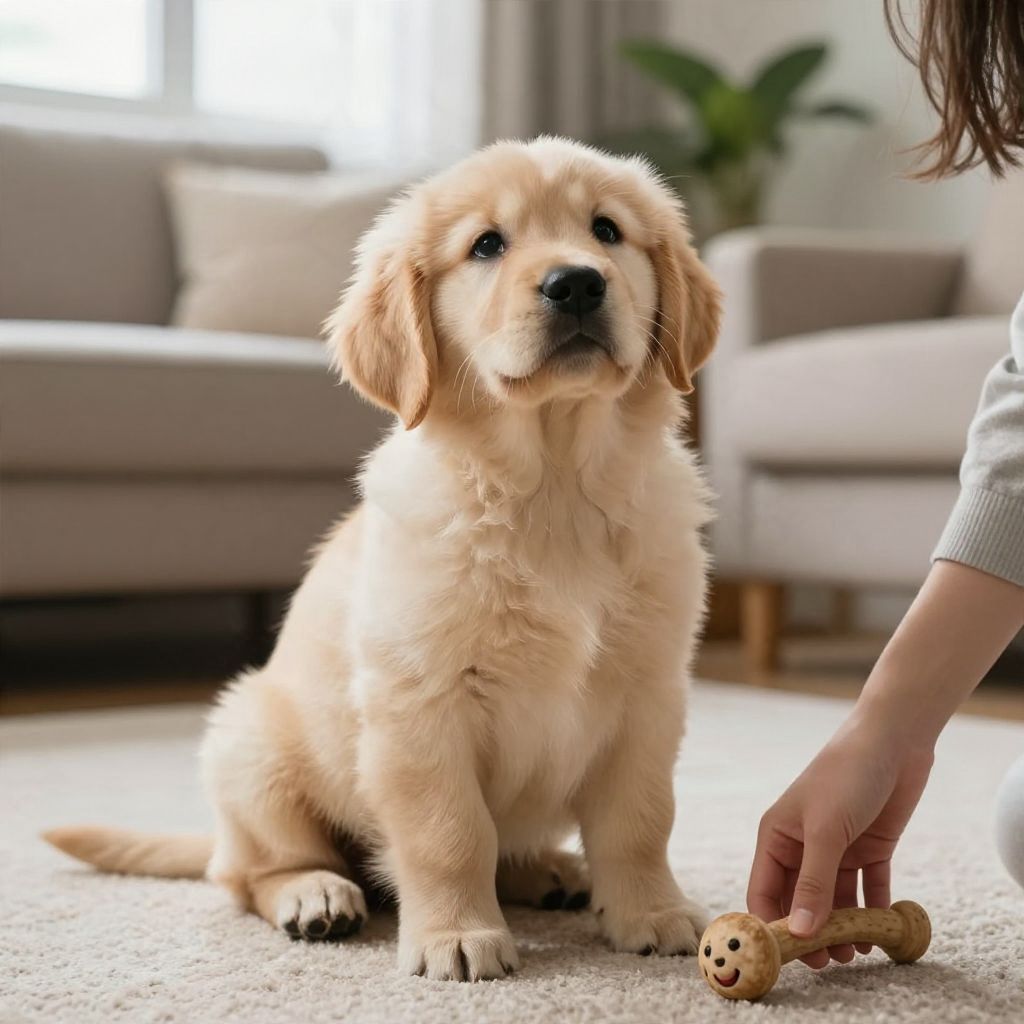
Why are dogs so cute? For most people, it is a mix of puppy-like features, expressive faces, playful behavior, and the strong bond dogs form with humans. Those traits can trigger a caregiving response in you, which is why even a simple head tilt can feel irresistible.
In many dogs, cuteness also comes from individuality: breed traits, coat type, size, age, and personality all shape how adorable they seem. But if your dog’s appearance or behavior changes suddenly, that can signal a health or stress issue rather than simple charm.
Why are dogs so cute?
Dogs seem cute because many of their features and behaviors resemble infant cues that humans are naturally drawn to, such as big eyes, round faces, soft fur, and playful movement. Their social nature, eagerness to interact, and ability to read your emotions also make them feel especially endearing.
What makes dogs look and act cute?
“Cute” is partly emotional and partly biological. Humans often respond strongly to traits that suggest vulnerability, friendliness, or youth, and dogs commonly display all three.
Puppy-like features
- Large-looking eyes relative to the face
- Soft, fluffy coats or rounded body shapes
- Small size or compact proportions
- Facial expressions that seem open and gentle
These features can be especially noticeable in puppies, but many adult dogs keep some of them throughout life. That does not mean all small dogs are cute or all large dogs are not; individual expression matters a lot.
Behavior that pulls at your emotions
- Head tilts when you talk
- Wiggly greetings
- Play bows and bouncy movement
- Following you from room to room
- Sleeping in funny positions
These behaviors can look adorable because they feel personal and responsive. When a dog seems to “choose” you, the bond often makes the behavior feel even cuter.
Do some breeds seem cuter than others?
Breed can influence what people find cute, but there is no universal answer. Different breeds often have different coat types, ear shapes, face shapes, and energy levels, and those traits may appeal to different people. Even within a breed, temperament and appearance vary widely.
If you are choosing a dog mainly for looks, remember that health, grooming needs, exercise needs, and training fit matter much more for long-term happiness. A dog that suits your lifestyle usually feels more lovable day to day than one chosen only for appearance.
Why puppies seem extra cute
Puppies are often the peak of “cute” because they combine small size, clumsy movement, and rapid learning. Their proportions and behavior naturally draw attention and care from people.
- They wobble, tumble, and recover quickly.
- They explore with curiosity instead of confidence.
- Their faces and bodies are still growing into adult proportions.
- They make frequent social bids, like pawing or nuzzling.
That said, puppies need structure, sleep, socialization, and gentle training. Their cuteness should never distract from the work of raising a healthy, well-adjusted dog.
How your dog’s personality adds to the cute factor
A dog becomes more adorable when you know their habits and quirks. The same look or gesture may seem ordinary in one dog and charming in another because you understand what it means.
Common personality traits people find cute
- Curiosity without fearfulness
- Gentle affection, such as leaning against you
- Silly routines, like carrying a favorite toy everywhere
- Excitement at mealtimes or walk time
- Soft, attentive eye contact
Not every dog is naturally outgoing, and some are shy, independent, or reserved. Those dogs can still be deeply endearing, especially when you respect their comfort level and let trust build gradually.
What to do if your dog’s cuteness is tied to behavior problems
Sometimes people call a behavior “cute” when it is actually a sign of stress, overexcitement, or poor manners. It is important to tell the difference so you do not accidentally reinforce a problem.
Behaviors that may look cute but need guidance
- Jumping on people
- Nipping at hands or clothing
- Demand barking for attention
- Stealing items for a game of chase
- Clingy behavior that prevents settling alone
Reward the behavior you want instead. For example, teach four paws on the floor, calm greetings, and settled rest on a bed or mat.
Humane ways to shape better manners
- Reward calm behavior immediately with treats, praise, or play.
- Manage the environment so your dog cannot rehearse unwanted habits.
- Use short, consistent training sessions.
- Give your dog enough exercise, enrichment, and sleep.
- Ask a certified trainer or veterinary behaviorist if the behavior is persistent or intense.
A dog can be adorable and still need training. In fact, the cutest dogs are often the ones who feel safe, relaxed, and well understood.
When “cute” changes and you should pay attention
If your dog suddenly looks less bright, less playful, or less engaged, that is worth a closer look. A change in appearance or behavior can mean discomfort, illness, or stress.
Red flags that need veterinary attention
- Sudden lethargy or hiding
- Facial swelling, trouble breathing, or repeated coughing
- Vomiting, diarrhea, or refusal to eat
- Squinting, eye discharge, or pawing at the face
- Sudden limping, pain, or stiffness
- Itching, hair loss, or skin redness that appears quickly
Seek urgent veterinary care immediately if your dog has difficulty breathing, collapses, has a bloated abdomen, cannot stand, has uncontrolled bleeding, or may have ingested something toxic.
How grooming and care can enhance your dog’s natural charm
Good grooming does not create cuteness from nothing, but it can help your dog look and feel their best. Clean ears, brushed fur, trimmed nails, and healthy skin often make a dog look more comfortable and expressive.
Simple care habits that help
- Brush according to coat type to prevent mats and excess shedding.
- Keep nails trimmed so your dog can move comfortably.
- Check ears, eyes, and skin for irritation.
- Use regular dental care to support breath and oral health.
- Feed a complete, balanced diet appropriate for age and size.
Grooming should be gentle and positive. If your dog dislikes handling, build tolerance slowly with treats, breaks, and short sessions rather than forcing the process.
Why your dog seems cutest when they are relaxed
Many people find a calm dog even more adorable than an excited one. Relaxed dogs show soft body language, loose muscles, and peaceful expressions that signal safety and trust.
- Soft eyes and relaxed ears
- Loose, wiggly body posture
- Comfortable resting positions
- Easy breathing and quiet settling
Helping your dog feel secure often increases the behaviors people perceive as cute, such as gentle leaning, happy tail wags, and easy affection.
How to enjoy the cute moments without missing your dog’s needs
It is fine to adore your dog’s adorable habits, but balance that enjoyment with responsible care. A cute dog still needs training, exercise, enrichment, routine veterinary care, and a safe home environment.
- Give daily physical activity suited to age and health.
- Offer mental enrichment, such as sniffing games or puzzle feeders.
- Socialize puppies carefully and positively.
- Respect older dogs’ need for rest and comfort.
- Watch for changes in appetite, mobility, or behavior.
If you are ever unsure whether a behavior is normal, ask your veterinarian. If the issue is more about manners, anxiety, or reactivity, a qualified reward-based trainer can help.
Conclusion
Dogs are so cute because their faces, movements, and social behavior naturally trigger affection in people, and the bond you build with them makes those traits even more powerful. Enjoy the adorable moments, but keep an eye on health and behavior so your dog stays happy, comfortable, and safe.
If you want to keep learning about dog behavior, you may also enjoy reading about why dogs sniff butts and exploring more dog-care topics at Online Dog Breeds.